Mepps Timber Doodle Bass: A Practical Guide to Fishing It
A useful approach to the Mepps Timber Doodle starts with identifying the exact lure configuration, then matching its retrieve to cover and bass behavior. Use these practical checks to fish it deliberately without assuming every version behaves the same.
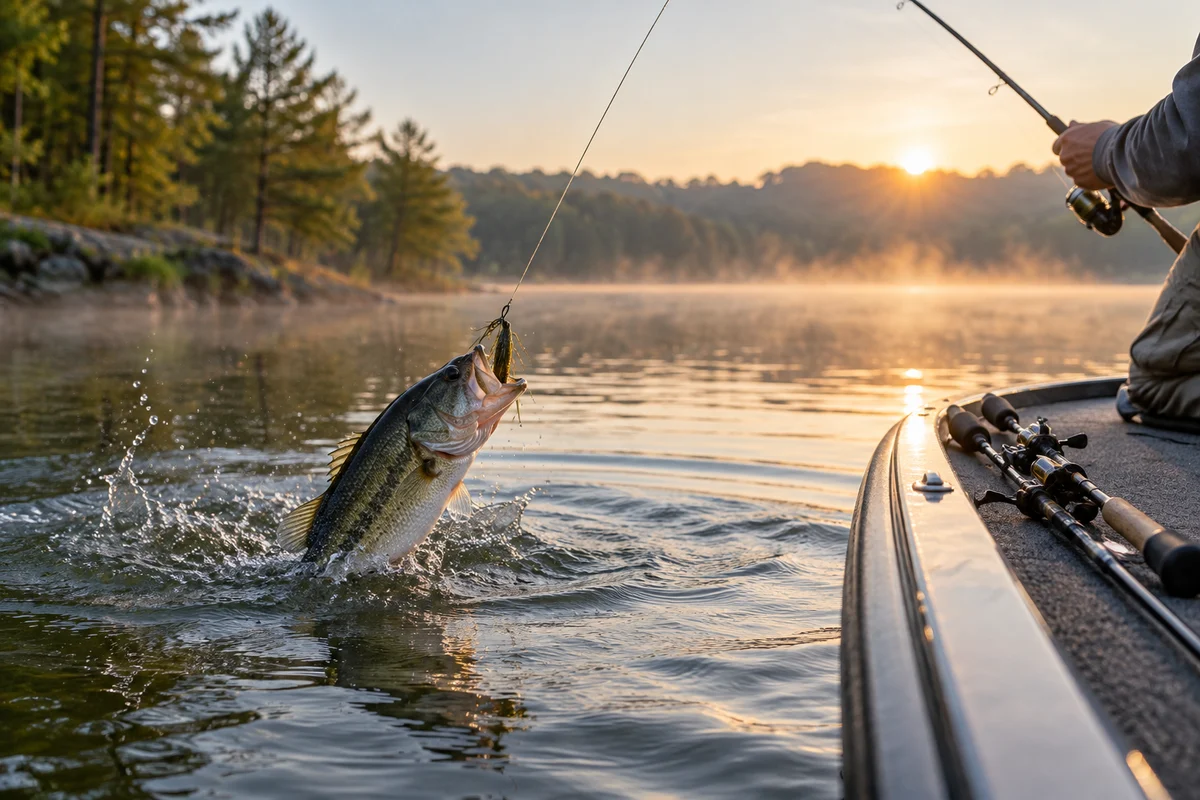
The Mepps Timber Doodle bass question begins with a useful distinction: the name alone does not tell you which exact lure configuration is in your tackle box. Versions, condition and added components can affect how a lure moves and how well it slips through cover. Identify what you have, then fish it according to its actual blade, hook and guard rather than relying on a remembered description or an old headline. The tactics below focus on practical bass fishing around cover and apply most directly when your Timber Doodle is a weed-resistant spinner-style lure.
What kind of lure is a Timber Doodle?
Timber Doodle is a Mepps product name, but anglers may encounter older examples, different configurations or used lures without packaging. Before fishing, look closely at the lure: note whether it has a rotating blade, what kind of hook is fitted, whether a weed guard is present, and whether any skirt or dressing remains intact. Those details matter more than assumptions based on the name.
If the exact model or setup is unclear, compare the lure with current information on the Mepps manufacturer site or ask a knowledgeable tackle retailer to identify it. Do not assume an old lure matches a current product or that every Timber Doodle has the same hook arrangement. A bent wire, damaged guard or fouled blade can change how it tracks and what cover it can pass through.
For bass fishing, the key question is how the lure travels through likely holding areas. A spinner can create flash and vibration, while a weed-resistant hook arrangement may help it move through sparse vegetation. Neither feature makes a lure snag-proof. Inspect the hook and guard, and make a short test retrieve beside the boat or bank before casting into thicker cover.
Where should you fish it for bass?
Start with edges and openings rather than the densest vegetation. Look for the outside line of weeds, pockets in a weed bed, a lane between cover and open water, or a transition where vegetation meets a different bottom or shoreline structure. These areas let you control the retrieve and see whether the lure is running cleanly.
Bass use cover for ambush and shelter, but their position changes with light, temperature, forage and fishing pressure. Treat a visible weed edge as a starting point, not proof that fish are there. Make a few casts parallel to the edge, then angle casts across it. A parallel path keeps the lure in the zone longer; a cross-edge cast helps reveal whether strikes happen as it enters or leaves cover.
When vegetation is scattered, cast beyond the target and retrieve through the gaps. If the lure collects grass, clear it before the next cast rather than dragging a fouled presentation through the whole area. In wood or brush, check the exact hook and guard arrangement first and avoid forcing a lure into places where it repeatedly hangs up. For a broader view of seasonal cover and moving baits, compare these ideas with spring bass fishing with Wiggle Warts and choosing lipless crankbaits for early-season bass.
How should you retrieve it?
Begin with a steady retrieve at a moderate pace. The goal is a consistent, clean action—not maximum speed. Watch the lure close to shore or boat: does its blade turn, does it run upright, and does it track straight? If not, inspect for weeds, a damaged part or a bent component before concluding that bass are ignoring it.
Change one variable at a time. Slow down if the lure appears to pass the target too quickly; speed up slightly if fish seem active or the lure needs to stay above vegetation. A brief pause can be useful only if the lure’s design and hook setup allow it to remain clear of cover. Try a small change in rod angle to alter depth and trajectory, but avoid sweeping so sharply that the lure rides out of the strike zone.
If a bass follows without striking, make the next cast along a nearby angle or alter the pace slightly. Repeatedly changing color, retrieve, location and tackle all at once makes it difficult to learn what mattered. A simple sequence—steady retrieve, a modest speed change, then a different cast angle—gives clearer feedback.
What conditions make this presentation useful?
A spinner-style lure can be a practical choice when you want a moving target that is easy to cover water with. Flash and vibration may help a fish locate it when visibility is reduced, but water clarity is not a guarantee of success. In clear water, a calmer pace and longer casts may reduce disturbance; in stained water, a closer pass along cover may help keep the lure in a fish’s search area.
Wind can push forage and create a useful ripple along shorelines or weed edges, but it also makes boat control and accurate casts harder. Choose a retrieve and casting angle you can repeat safely. In very thick vegetation, do not assume a weed guard will prevent every snag. If repeated casts come back fouled, move to a cleaner lane or use a presentation suited to that density.
Season matters, but there is no single calendar date when this lure becomes effective. Water temperature, local forage and bass location vary by lake and region. When fish are shallow, test nearby edges and pockets; when they appear deeper or more dispersed, a different depth range or lure may be more appropriate. The freshwater bass fishing hub has more approaches for matching presentations to conditions, including how to choose a spinnerbait for bass.
How do you avoid common problems?
A lure that spins or tracks poorly can twist line, foul on vegetation or miss the intended path. Check it before each session and after a hard snag. Remove weeds, examine the hook point and guard, and make sure the lure’s components are not visibly bent or loose. With an older or unfamiliar example, use a short test cast in open water first.
Keep casts controlled near other people, shore users and overhead branches. Use tackle appropriate to the lure and local conditions; there is no one rod, line or reel setup that fits every version and every fishing situation. If you are fishing from a boat, account for wind and other traffic before casting. Handle bass with wet hands when practical, minimize time out of water, and follow local size, season and possession rules. Regulations differ by jurisdiction, so consult the relevant wildlife agency for the water you fish.
A short fishing log can help distinguish lure performance from changing conditions. Record the type of cover, water clarity, approximate retrieve pace and whether the lure returned cleanly. You need not assign false precision to depth or temperature: observations such as “outside weed edge” and “steady retrieve” are useful when repeated consistently.
Is it worth keeping in a bass tackle rotation?
The Timber Doodle can earn a place when its actual design fits the cover and retrieve you want to fish. Its value is not that a product name guarantees a big-bass result; it is that an angler can test a controlled moving presentation along likely bass routes. If it passes through your target cover cleanly and gives you a repeatable retrieve, keep exploring it. If it fouls often or runs poorly in that setting, change the angle, choose a clearer lane or switch presentations.
Compare the results with other lures rather than treating them as competing promises. The spinnerbait guide can help you think through blade-driven presentations, while a slower option may suit fish that are holding tight to cover. Conditions and the specific lure in hand should determine the choice.
Above all, identify the exact Timber Doodle you own, inspect it, and let the water provide the answer. A handful of deliberate casts along edges, followed by small and observable adjustments, is a better test than assuming an old product claim applies to every lure and every bass fishery.
Frequently asked questions
Is the Mepps Timber Doodle a bass lure?
It is a Mepps product name anglers may encounter in bass tackle. Confirm the exact configuration you have, since the name alone does not establish its components or how it will perform in a particular cover type.
How should I retrieve a Timber Doodle for bass?
Start with a steady moderate retrieve and check that the lure tracks cleanly. Then vary speed or cast angle one at a time to learn how bass respond to the cover and conditions.
Can a Timber Doodle be fished through weeds without snagging?
A weed-resistant setup may help in suitable vegetation, but no lure is snag-proof. Test it in a clear lane, inspect the hook guard and move to a less dense path if it repeatedly fouls.
Sources & further information
Consult these primary sources for current regulations, technical information and local guidance.