Ned Rig Finesse System: A Practical Bass Fishing Guide
A ned rig finesse system pairs a compact soft plastic with a light jig head for a controlled, understated bass presentation. Learn how to choose components, fish it efficiently, and adjust when bottom type, wind, or cover changes.
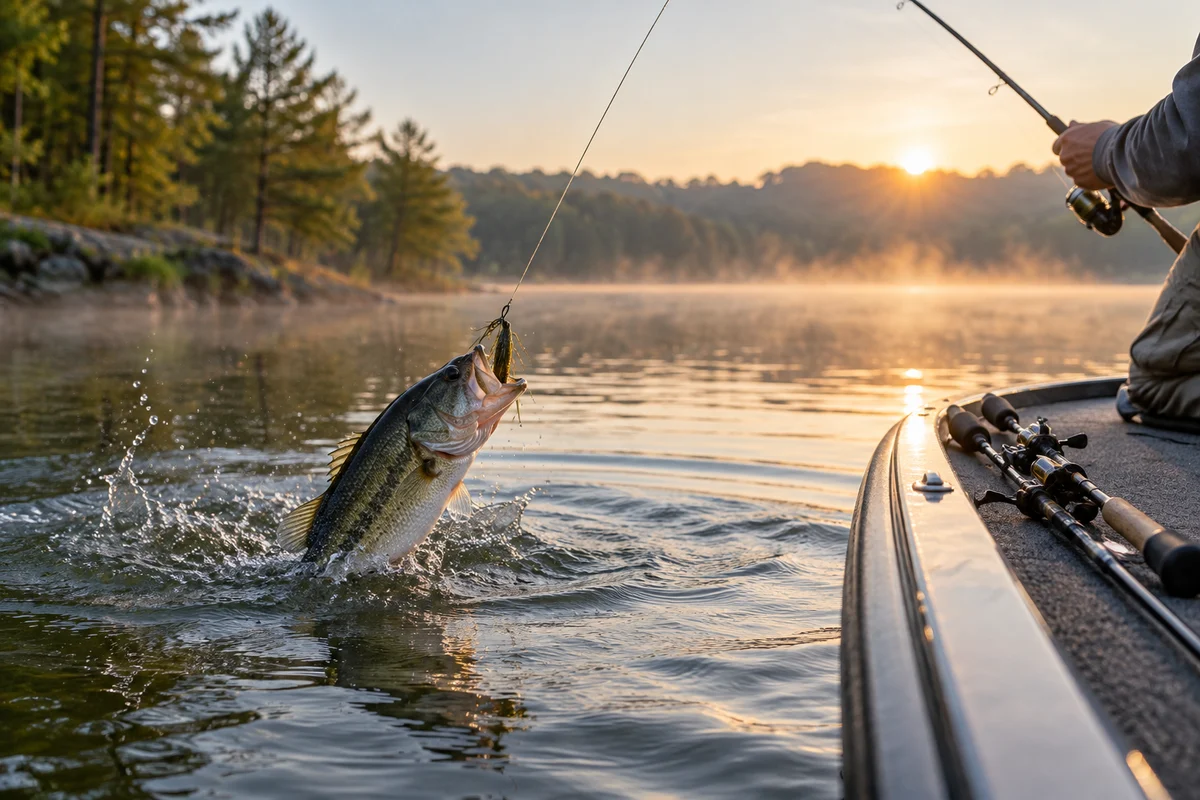
A ned rig finesse system is more than a small lure: it is a way to make a compact, controlled presentation when bass seem unwilling to chase larger or faster offerings. The basic arrangement pairs a short soft-plastic bait with a jig head, then relies on measured casts, a light line angle, and pauses that let the lure remain in a fish’s view. The details matter—especially head weight, plastic buoyancy, and the way you move the bait across the bottom.
The system is useful around rock, gravel, sparse vegetation, and other relatively open areas where a small jig can travel without being constantly fouled. It is not a universal answer. Thick weeds, heavy wood, strong current, or a need to move quickly across a large flat may call for another presentation. Think of the rig as a precise tool, not a promise of a bite.
What makes a ned rig a system?
A typical setup has three connected parts: a compact soft plastic, a jig head sized to the plastic and conditions, and tackle that lets you detect subtle contact without overpowering the bait. The plastic may be shaped like a small stick, creature, or other compact profile. Some designs are buoyant and rise when resting on the bottom; others settle or lie more horizontally. Read the maker’s description rather than assuming all plastics behave alike.
The jig head’s hook and shape affect both how the bait sits and how it moves through cover. An exposed hook can help the bait remain compact and may suit open bottom, while a weed guard or a more snag-resistant design can help around scattered vegetation or brush. Weed resistance is never snag-proof. Use a head that allows a clean presentation and a hook appropriate to the bait, rather than forcing a large hook into a small plastic.
A spinning rod and reel are common choices because they handle light lures comfortably. Use line that suits local regulations, water clarity, cover, and your equipment; there is no single best diameter for every lake. A lighter line can help a small jig cast and fall naturally, but abrasion and nearby cover may favor a more robust choice. Check knots and the final section of line regularly for roughness.
How do you choose jig-head weight?
Start with the lightest head that lets you cast accurately and maintain contact with the area you want to fish. A light head falls slowly and can keep the bait in a zone longer, but wind, depth, and current can make it difficult to feel. A heavier head improves control and bottom contact, yet may drop too quickly or drag the bait unnaturally through shallow water.
| Conditions | Starting adjustment | What to watch |
|---|---|---|
| Shallow, calm, open water | Try a lighter head | Can you track the fall and detect bottom without dragging? |
| Greater depth or a breeze | Increase weight gradually | Does the line stay manageable while the bait still falls naturally? |
| Current or a steep bank | Use enough weight to stay in the target zone | Is the bait holding near the structure rather than sweeping away? |
| Snag-prone rock or sparse cover | Consider head shape and hook protection | Does the rig pass through without collecting debris constantly? |
| Dense vegetation or heavy wood | Reconsider the presentation | Would a more weedless lure or different angle be more practical? |
These are starting points, not fixed prescriptions. Change one variable at a time. If you add weight, keep the plastic and retrieve the same for a few casts; that makes it easier to tell whether improved contact came at the cost of a natural fall.
How should you fish it?
Make a controlled cast beyond the likely target, then let the bait descend while watching the line. A sudden jump, sideways movement, or unexpected slack can indicate contact, though wind and current can create similar signals. Once the jig reaches bottom, use a small lift, short drag, or subtle shake. Pause. The aim is to keep the lure in the area without repeatedly pulling it away from fish holding near a rock, dock edge, or drop-off.
Try a few distinct presentations before changing locations: let it rest longer; make a short hop; slowly drag it; or swim it just above bottom with occasional pauses. Avoid shaking continuously by habit. A motionless pause can be as useful as an active twitch, and too much movement can make a compact bait leave the strike zone quickly.
Pay attention to the line angle and the feel of the bottom. If the line bows in the wind, lower the rod tip and make a more direct cast when practical. If you cannot tell whether the jig is touching bottom, adjust weight slightly or shorten the cast. If it hangs up repeatedly, change your angle or move to a cleaner lane before making repeated hard pulls that can bury the hook or damage tackle.
For a broader choice of presentations, compare the rig’s slow, compact approach with fishing a 10-inch worm when a larger profile may help, or review early-season bass lipless crankbaits when fish are responding to a moving lure. For another search-and-cover option, see how to choose a spinnerbait for bass. The bass-fishing hub can help you explore related freshwater topics.
Where does the system work best?
Look for transitions and isolated targets rather than casting randomly: the edge of a rock patch, a gravel-to-mud change, a point, or a small opening between scattered plants. A compact bait can be useful when bass are near bottom and a larger lure seems excessive. It can also help you make deliberate casts to visible targets, but keep a respectful distance and avoid repeatedly landing the lure directly on fish.
Water clarity and pressure can influence how subtle a presentation should be, but neither gives a certain formula. In clear water, a natural-looking profile and careful approach may matter; in stained water, a slightly more visible color can be easier for fish to locate. Color names vary between brands, and the same shade can look different under changing light. Carry a small selection of colors that contrast meaningfully, then let actual visibility guide changes.
Check local rules before fishing, including seasons, access restrictions, and any special regulations for the water. State wildlife agencies provide location-specific information; the U.S. Fish and Wildlife Service is a useful federal starting point for conservation and public information, but it does not replace state regulations.
A simple on-the-water decision framework
Use this short sequence to keep adjustments purposeful:
- Locate a suitable lane. Start with open bottom or sparse cover where the hook can travel safely.
- Establish contact. Choose a head that lets you follow the descent and recognize bottom.
- Make a small presentation change. Vary pause length, hop, or drag before changing several components at once.
- Read the result. Repeated snags suggest a new angle or cleaner route; lost contact suggests a small increase in weight or a shorter cast.
- Change tools when conditions demand it. If vegetation or wood makes the rig impractical, select a more suitable, less snag-prone approach rather than forcing it.
The best measure of success is not a particular color or a supposedly ideal setup; it is whether you can present the bait consistently in the intended zone while staying in control of the line and avoiding needless snags. Keep notes about the conditions and adjustments that produced useful feedback. Over time, that record can make the finesse system easier to adapt without treating any one combination as magic.
Frequently asked questions
What is the basic ned rig finesse system?
It pairs a compact soft-plastic bait with a jig head, then uses controlled casts, subtle movement, and pauses to present the lure near bass holding around the bottom.
How do I choose a ned rig jig-head weight?
Begin with a light head that still lets you cast accurately and detect the bottom. Add weight gradually when depth, wind, or current makes control difficult.
Can I fish a ned rig in weeds or wood?
It can work around sparse cover with a suitable head, but it is not snag-proof. Dense vegetation or heavy wood often calls for a more weedless presentation or a different angle.
Sources & further information
Consult these primary sources for current regulations, technical information and local guidance.