Traditions Lady Whitetail Muzzleloader: What to Know
A careful, safety-first guide to understanding the Traditions Lady Whitetail muzzleloader as a product line. Learn what to verify about fit, specifications, lawful use, and safe storage before relying on any model information.
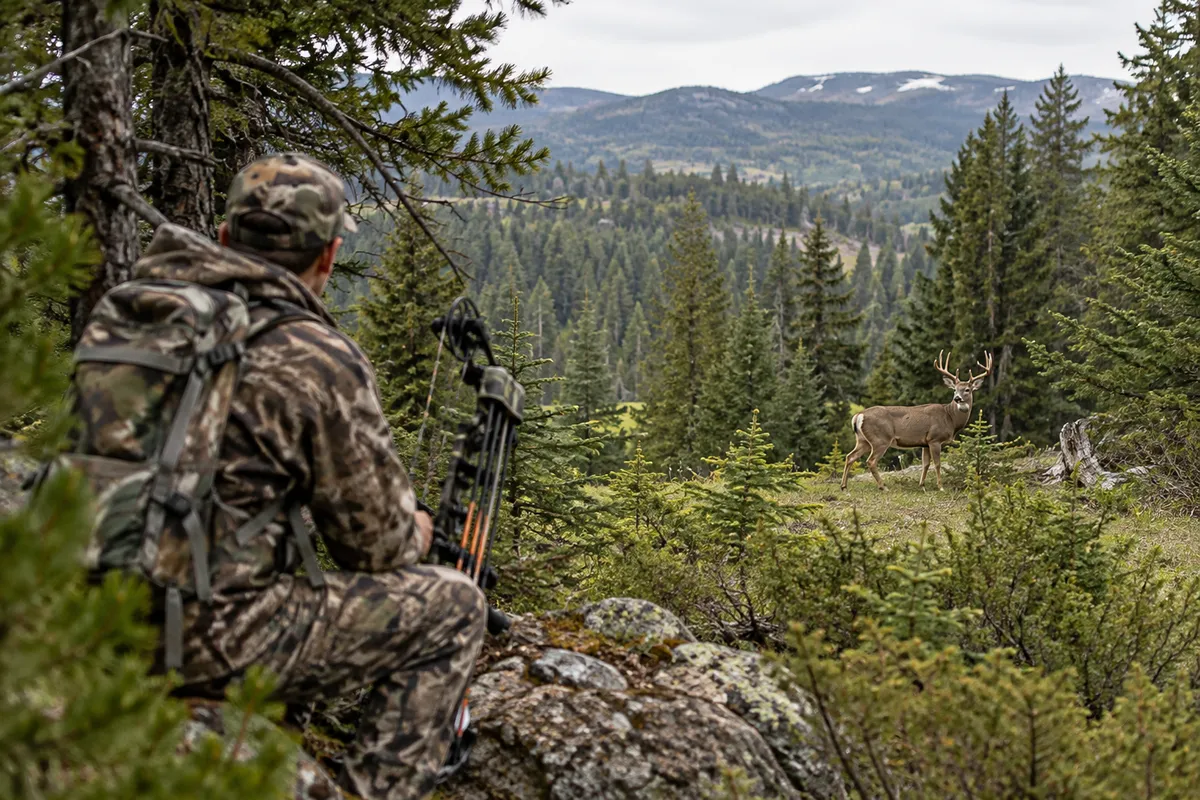
The Traditions Lady Whitetail muzzleloader is best approached as a product name to verify—not as a promise that every firearm carrying the name has identical dimensions, features, or availability. Muzzleloader models and configurations can change, and older product references may describe a version that is no longer offered. For hunters, the useful questions are practical: Which exact model is being discussed? Does it fit the intended user? What does its original manual require? And is its use lawful during the season and in the location planned?
This guide explains how to evaluate the name using manufacturer documentation and general hunting-safety principles. It does not assume unverified specifications or treat a historic announcement as a current sales listing. For broader deer-hunting preparation, see the deer hunting hub, which connects equipment decisions with field planning and responsible practice.
What does the Lady Whitetail name tell you—and what does it not?
A product-line name can suggest an intended audience, but it does not establish a firearm’s precise fit, performance, or configuration. Do not infer stock dimensions, weight, caliber, ignition system, included accessories, or compatibility from the name alone. Those details must come from the documentation for the exact model and, when possible, the markings on the individual firearm.
This distinction matters especially with legacy product coverage. A past announcement may identify a family or variant without establishing that the same model is currently manufactured, supported, or sold. Availability and specifications can vary by year and configuration. If a model is unfamiliar or documentation is incomplete, contact Traditions through its official website and request the relevant manual or confirmation before making assumptions.
Use this quick evidence hierarchy:
| Question | Best source to check | Why it matters |
|---|---|---|
| What exact model is it? | Firearm markings and matching manufacturer manual | Similar names may refer to different versions. |
| What are its stated features? | Official model page or original documentation | Secondary listings can omit changes or errors. |
| What care and storage does it require? | The manual for that exact model | Safe procedures are model-specific. |
| Is it legal for a hunt? | Current state or local wildlife regulations | Seasons and equipment rules differ by jurisdiction. |
| Is it suitable for the user? | A qualified, in-person fit assessment | A name or marketing description cannot establish fit. |
How can you verify a specific model’s details?
Start with the complete model designation, not a short label copied from a headline or resale description. Compare that designation with the manufacturer’s product information and manual. Confirm that the material actually applies to the specific firearm rather than a visually similar model. If the exact model cannot be matched confidently, stop short of relying on guessed specifications.
For a used or inherited firearm, ask whether the manual is present and whether its identity matches the markings. Do not treat a generic muzzleloader guide as a substitute for model-specific instructions. If parts, condition, or service history are uncertain, consult the manufacturer or a qualified gunsmith. This article does not provide disassembly, repair, loading, or modification instructions.
A useful record to keep with your hunting paperwork includes the model designation, the manual’s version or publication information, and the official source where the documentation was obtained. This simple habit can prevent confusion between variants, particularly when a product name has appeared in older coverage.
What should fit and handling assessment include?
Fit is individual. A firearm should be manageable for the person who will use it, with a stable stance and a clear view through the sights, without forcing an awkward posture. Have a knowledgeable instructor or qualified professional assess fit in person. Do not use gendered product naming as a substitute for checking reach, balance, comfort, or control.
Any handling or practice should take place in a lawful, controlled setting and follow the firearm’s manual and recognized safety instruction. Keep the muzzle pointed in a safe direction, treat the firearm as loaded until it has been verified otherwise according to the manual, and keep your finger away from the trigger until you are ready to fire at a lawful target. Be certain of the target and what lies beyond it. These are baseline safety principles, not a replacement for hands-on instruction.
If the firearm does not fit comfortably, or the user is unfamiliar with muzzleloaders, do not try to compensate through improvised adjustments. Seek qualified instruction and model-specific guidance. For a wider look at planning ahead, the article on steps to prep for deer season covers the broader checklist mindset: equipment, permissions, local rules, and readiness should be considered together.
What hunting rules should you check before a season?
Muzzleloader seasons are not interchangeable across states or even across hunting units within a state. Regulations may define eligible seasons, permitted equipment, license requirements, legal hours, tagging and reporting procedures, and restrictions that affect a particular hunt. Check the current rules published by the wildlife agency responsible for the location where you will hunt; do not rely on an old article, forum post, or a rule remembered from another season.
Confirm the rules for the exact date and location, and clarify any uncertainty with the agency before going afield. Also verify land access and permission. A firearm’s product category does not by itself prove that it is legal for a particular season. Government wildlife agencies publish the controlling regulations; the U.S. Fish and Wildlife Service provides a federal starting point for wildlife information, while state agencies administer most state hunting rules.
Plan for ethical shot selection, a clear line of sight, and a reliable way to identify the target. If conditions do not allow a safe, certain shot, do not take it. Hunters should know how their local rules address tagging, transport, and reporting before a harvest occurs, rather than trying to reconstruct requirements afterward.
How should you think about storage and transport?
Follow the exact manual and applicable law for storage and transport. Keep firearms secured against unauthorized access, especially where children or other untrained people may be present. Store any components or supplies separately when the manufacturer’s instructions and local law call for it. Do not assume that a general storage recommendation covers every muzzleloader configuration.
Before travel, check the rules that apply to the route and destination. Requirements can differ among jurisdictions and transport settings. If a question concerns a specific model’s condition or safe storage, ask the manufacturer or a qualified professional; do not rely on informal advice that conflicts with the manual.
A practical pre-hunt decision framework is:
- Identify: Match the firearm’s markings to an official model designation.
- Document: Obtain and read the correct manufacturer manual.
- Assess: Arrange an in-person fit and safety assessment if needed.
- Confirm: Check current season and equipment regulations with the relevant wildlife agency.
- Secure: Plan lawful transport and storage before the trip.
- Reconsider: If model identity, condition, fit, or legality remains uncertain, do not use it until the issue is resolved.
Hunters comparing approaches to deer hunting can also read about hunting blinds. A blind changes how a hunter observes and moves through a location; it does not replace firearm safety, permission to access land, or compliance with local rules.
What is the bottom line on the Traditions Lady Whitetail muzzleloader?
Treat the Traditions Lady Whitetail muzzleloader as a name that needs model-level confirmation. Public product references can help identify what to ask about, but only matching manufacturer documentation can establish specifications and model-specific handling requirements. Availability may change, and neither old coverage nor a third-party listing is a reliable substitute for current official information.
For a responsible decision, verify the exact firearm, read its manual, assess fit with qualified help, and check the current hunting regulations for the place and season. When any of those pieces is uncertain, pause and seek authoritative guidance. In hunting, a careful verification step is more useful than a confident guess.
Frequently asked questions
Is the Traditions Lady Whitetail muzzleloader still available?
Availability can change, and older coverage does not confirm current production or stock. Check Traditions’ official website or contact the manufacturer for current information.
Where can I find specifications for a Traditions Lady Whitetail model?
Use the official product information and manual that match the exact model designation and firearm markings. Do not infer specifications from the product name or a similar variant.
Can a Lady Whitetail muzzleloader be used in any muzzleloader deer season?
No general product name establishes season eligibility. Check the current wildlife regulations for the exact jurisdiction, unit, season, and equipment requirements.
Sources & further information
Consult these primary sources for current regulations, technical information and local guidance.