A Better Hunting Gear Storage Bag: What to Look For
A hunting gear storage bag can help keep clothing organized between outings, but no container guarantees concealment from an animal’s nose. Compare bag designs, care requirements and storage habits before choosing one.
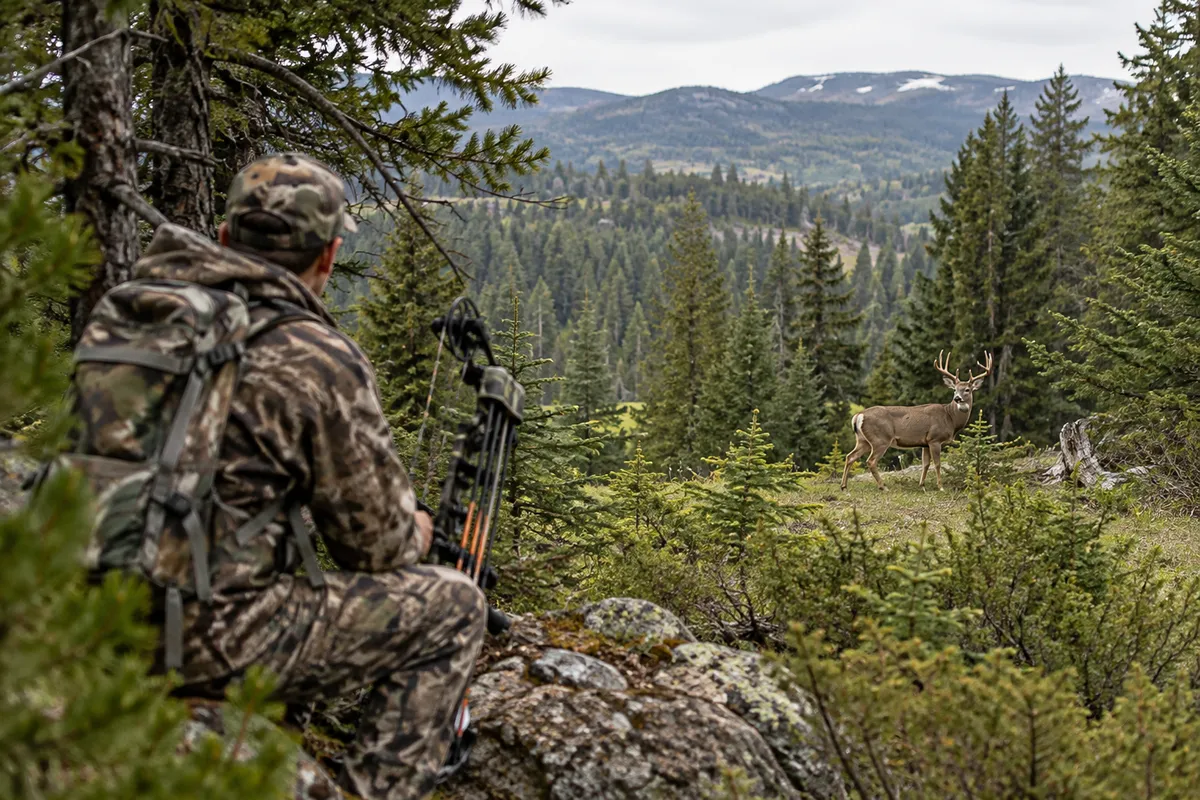
Keeping hunting clothing together between outings is a practical way to simplify preparation and reduce exposure to household odors. A hunting gear storage bag may also be marketed with odor-control materials, but the bag is only one part of a larger routine: clean clothing, dry storage, careful handling and realistic expectations matter just as much.
The useful question is not whether a bag makes gear scent-free—it cannot promise that. Instead, choose a container that suits your clothing volume, seals reliably, stays dry, and can be cleaned or maintained according to its manufacturer’s instructions. Treat odor-control claims as one feature to assess, not as proof that deer cannot detect you.
What does a hunting gear storage bag actually do?
A storage bag provides a dedicated place for clothing and soft accessories, helping separate them from everyday garments, dusty equipment and strongly scented household products. Some products include odor-adsorbing or barrier materials. Their construction and maintenance differ, so consult the specific product’s instructions rather than assuming that every “odor-destroying” bag works the same way.
Storage is not the same as cleaning. Sweat, mud, smoke, food, detergent residue and dampness can remain on fabric or develop during storage. A bag does not remove these sources, and opening it in a scented room can expose its contents again. Nor does odor-control equipment erase the natural scent of a person in the field. Deer have a highly developed sense of smell, and wind, terrain and animal movement remain outside your control.
Use the bag as an organizational and exposure-management tool, not a guarantee of hunting success. For broader planning, the deer hunting hub brings together related preparation and field topics.
How should you compare bag designs?
Start with the gear you actually carry. Lay out the clothing layers, gloves, hat, face covering and other soft items you intend to store together. A bag that fits the full kit without forcing the closure is more useful than one whose advertised capacity sounds impressive but leaves clothing compressed or the seal under strain.
| Feature | What to check | Why it matters |
|---|---|---|
| Capacity | Whether your complete clothing set fits without overfilling | Overstuffing can stress closures and complicate packing |
| Closure | A consistent, undamaged zipper, roll-top or other specified seal | A closure that will not stay shut undermines separation and organization |
| Materials | Manufacturer’s description of layers, lining and intended use | Construction varies; do not infer performance from a product name |
| Care | Cleaning, drying and any regeneration or replacement instructions | Incorrect care can damage materials or compromise intended function |
| Carrying format | Handles, straps, shape and fit in your storage area | Ease of transport matters when moving gear between home and vehicle |
| Accessory separation | Space for smaller items or a separate pouch | Keeps clean clothing from mixing with damp or dirty equipment |
A soft-sided bag is often easier to store when empty and can be convenient for clothing. A rigid container may protect contents from crushing and make stacking easier, but it can take more room and may not be designed for the same odor-control purpose. Neither format is automatically superior: compare the intended use, closure and care directions for the actual item.
If a bag is associated with a particular brand or product line, avoid relying on old descriptions or assumptions. Model names and specifications can change, and availability varies. Check the manufacturer’s current product information and original manual for exact materials, capacity, care requirements and any limits on use.
How do you prepare clothing before packing?
Begin with the garment-care label. Wash clothing as directed and avoid mixing field garments with items carrying strong fragrances or residues. Do not use a specialized detergent, treatment or cleaning method unless the clothing and product makers say it is suitable. Extra chemicals are not automatically better; residue and fabric damage can create new problems.
Let garments dry completely before storage. Packing damp fabric can invite mildew and persistent odor, especially when a bag is closed for days. Check seams, pockets and cuffs for leaves, dirt, food crumbs and other debris. Keep wet boots, muddy outerwear and used gloves out of a clean clothing bag unless the manufacturer explicitly designed the compartment for those items and provides cleaning guidance.
A simple sequence helps:
- Separate worn or dirty pieces from clean clothing as soon as practical.
- Clean garments according to their labels and allow them to dry fully.
- Inspect pockets and remove debris or personal items.
- Fold or roll clothing loosely enough that the bag closes without force.
- Close the bag as instructed and store it away from dampness and strong household odors.
- Recheck the contents before the next outing, especially after long storage.
The steps to prep for deer season can help place clothing storage within a broader preseason checklist. For a different part of preparation, see the practical overview of how deer are aged at check stations; check-station procedures and rules vary by jurisdiction.
Where should a storage bag be kept?
Choose a clean, dry location away from fuel, solvents, smoke, food odors, pets and routine laundry products. A closet shelf or dedicated storage area may work if it stays dry and the bag is not exposed to strong smells. Avoid leaving clothing bags in a hot vehicle for extended periods unless the manufacturer says the materials tolerate those conditions. Heat and moisture can affect both clothing and bag components.
Keep the storage routine consistent. If you handle clean clothing after applying scented products, cooking or refueling, wash your hands or avoid touching the contents. Use separate containers for clean garments and used layers during a trip. A bag is most useful when it remains part of a repeatable system rather than a last-minute receptacle for everything in the vehicle.
Inspect the closure, seams and any odor-control components periodically. If the manufacturer specifies a service life, replacement schedule or regeneration process, follow that guidance. If the instructions are missing, do not invent a treatment method; contact the manufacturer or use the bag only as an ordinary storage container.
What can a scent-control bag not do?
No storage product can ensure that a deer will not detect a hunter. Air currents shift, clothing encounters the environment, and a person’s scent is not limited to garments. A bag also cannot make damp, dirty clothing clean or compensate for an unsuitable approach, poor wind conditions or movement in the animal’s view.
That is why scent management should sit alongside legal, ethical and safety basics: know local seasons and regulations, identify your target and what lies beyond it, and follow the rules for the hunting method and location. The U.S. Fish and Wildlife Service provides federal wildlife information, while state wildlife agencies publish the regulations that apply where you hunt. Always use the current rules for your jurisdiction.
A quick field decision framework
Before choosing or relying on a bag, answer these questions:
- Does it fit the whole clean clothing set? If not, select a suitable size or separate clean layers into more than one container.
- Can you verify the closure and care instructions? If not, treat odor-control claims cautiously and ask the manufacturer for documentation.
- Can you store it dry and away from strong odors? If not, improve the storage location before expecting a specialized bag to help.
- Can you keep used gear separate? If not, add a second container or a washable laundry sack for worn items.
- Are expectations realistic? Use the bag for organization and limiting exposure, not as a substitute for wind awareness or sound hunting practice.
A well-chosen hunting gear storage bag is ultimately one component of an orderly clothing system. Favor a reliable fit, clear care guidance and a storage location you can maintain. Then evaluate the whole routine—cleaning, drying, packing, transport and field conditions—rather than judging performance by a product label alone.
Frequently asked questions
Does an odor-control hunting bag make clothing scent-free?
No. It may help separate or manage stored clothing, depending on its design, but it cannot remove all odors or guarantee that deer will not detect a hunter.
Should hunting clothes be stored while damp?
No. Let clothing dry completely and follow garment and bag care instructions before closing it away; damp storage can lead to mildew and persistent odors.
How do I know whether a specific bag needs special maintenance?
Check its current manufacturer instructions for cleaning, drying, regeneration or replacement guidance. If those details are unavailable, ask the manufacturer rather than guessing.
Sources & further information
Consult these primary sources for current regulations, technical information and local guidance.