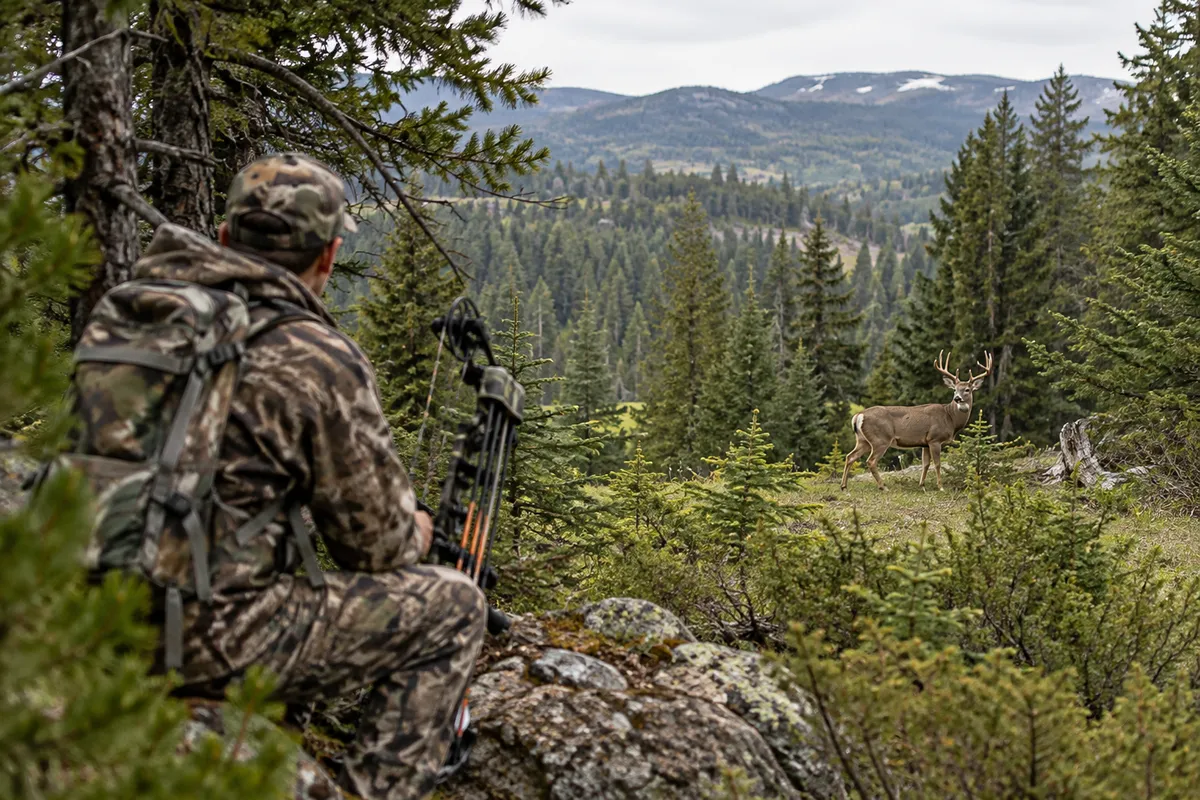
Advantage Hunting Blinds: Choosing and Using a Whitetail Blind
A practical guide to evaluating a whitetail hunting blind, matching it to terrain and hunting style, and setting it up with safety and deer behavior in mind.
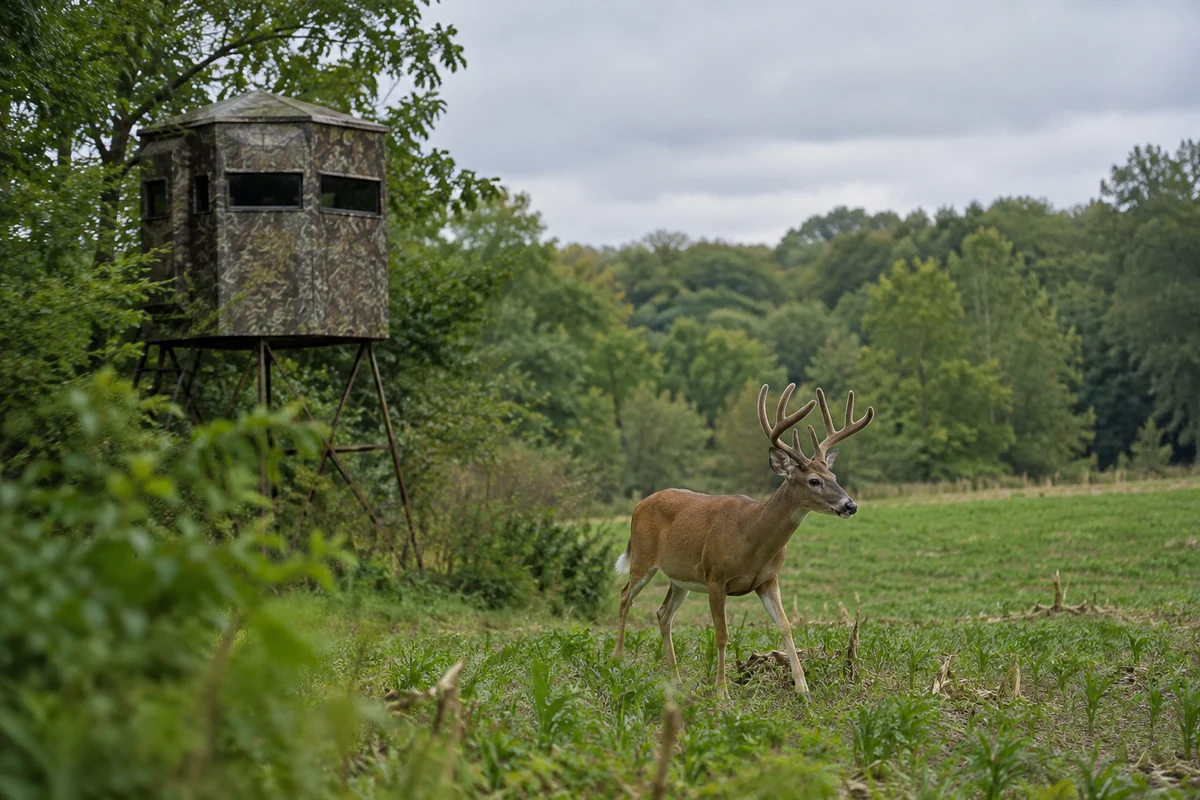
A whitetail blind can help a hunter stay concealed, but the name on the blind matters less than whether its design fits the site, season, and hunting approach. When comparing advantage hunting blinds, focus on usable space, visibility, weather protection, portability, and how quietly the structure can be installed. Treat any product description as a starting point: confirm dimensions, materials, included components, and current instructions with the manufacturer, because models and configurations can change.
A blind is not a substitute for wind awareness, safe firearm or archery handling, permission to access land, or compliance with local hunting regulations. The best setup is one that lets you observe safely while minimizing disturbance to wildlife and other land users.
What should you evaluate in a hunting blind?
Start with the actual hunting position rather than a list of features. Decide whether you need room for one person or more, whether you will sit or stand, and what equipment must fit inside. A compact ground blind may be easier to transport and conceal, while a larger structure can offer more room but may be harder to place discreetly. Verify product measurements and usable interior space rather than assuming an exterior dimension tells the whole story.
Look at the entry, window arrangement, and fabric or panel construction. Openings should support the view you need without forcing you to move repeatedly. Consider whether windows can be adjusted quietly and whether the design allows safe handling of your chosen hunting equipment. Avoid modifying a blind in ways that interfere with safe operation or depart from manufacturer instructions.
Weather protection is another practical consideration. Check how the design manages rain, wind, and condensation, and ask the manufacturer about care and storage. A blind that is comfortable in mild weather may not be suitable for severe conditions. Never let the promise of shelter override a decision to leave when weather becomes unsafe.
How do you choose a site for a whitetail blind?
Begin with land access and the rules that apply to the property. On private land, obtain clear permission and agree on where and when the blind may be placed. On public land, check the managing agency’s current regulations. Rules can vary by jurisdiction and may address temporary structures, marking, placement, or removal; do not assume a practice allowed on one property is permitted elsewhere.
Then study the terrain and deer movement from a distance. Travel corridors, field edges, cover transitions, and natural funnels can be useful places to observe, but there is no guaranteed location. Look for a position that offers a safe field of view and a sensible approach route while avoiding unnecessary disturbance. Consider where other hunters, homes, roads, trails, livestock, and neighboring property may be located. Identify a safe direction of travel and a clear background before choosing a position.
Wind and access often matter more than an ideal-looking view. A route that crosses the area you hope to watch can leave scent or disturb animals. Choose an approach that reduces noise and exposure, and reconsider the site when wind conditions would carry scent into the intended observation area. Keep a backup location for changing conditions rather than trying to force a hunt from a poor setup.
When should a blind be installed?
Timing depends on land rules, the blind design, and how much activity the area can tolerate. Where permitted, placing a blind well before a planned hunt can allow the site to settle, but that does not guarantee deer will accept it. A sudden structure, repeated visits, or noisy setup may alter animal movement. On public ground, follow the specific agency’s limits on when equipment can be placed and how it must be identified or removed.
Plan the installation as a low-impact visit. Carry only what is needed, keep voices and movement low, and avoid repeated trips through sensitive cover. Secure the structure according to its instructions so it does not become a hazard in wind. Check it from the outside for loose panels, unstable supports, or snagging points, and do not enter during dangerous weather.
If a blind is portable, decide in advance how it will be carried out. If it is left on a site, confirm that doing so is lawful and that you can retrieve it promptly. Abandoned equipment can create hazards and reflects poorly on hunters.
How can you reduce movement and noise inside?
Prepare before entering. Arrange essential gear so it is easy to reach, silence devices, and avoid unnecessary handling of zippers, windows, and equipment. Sit or stand in the position you expect to use and check whether the openings provide the view you need. Make adjustments before wildlife is nearby, not during a moment when movement could reveal your position.
Use the blind’s concealment as one element of a broader setup. Choose clothing that blends with the interior and surroundings, and avoid casting a conspicuous silhouette in an opening. Keep windows configured in a way that supports observation without exposing movement. Do not assume a blind blocks scent; manage wind and access as though your scent can still reach the area.
A useful preparation routine starts before the season. Review access, equipment, and regulations, then make a checklist for the day. See steps to prep for deer season for broader planning considerations. For additional habitat, season, and field guidance, explore more deer-hunting coverage.
What safety checks matter at a blind?
Treat the blind as a place to observe, not as permission to take an unsafe shot. Before hunting, identify the boundaries of your safe field of view and what lies beyond it. Never release an arrow or fire a firearm unless the target is positively identified and the shot is safe under applicable laws and training. A wall, window, or fabric panel does not make an unsafe direction safe. Follow the equipment manufacturer’s instructions and established firearm or archery safety practices.
Tell a trusted person where you will be and when you expect to return. Carry suitable communication and navigation equipment, account for changing temperatures, and avoid entering or leaving in a way that creates a hazard for others. If you hunt from an elevated structure rather than a ground blind, use equipment designed for that purpose and follow its safety instructions; falls can cause serious injury.
Check local hunting rules before each season. Regulations can change, and requirements for licenses, legal hours, equipment, tagging, and property access differ by location. State wildlife agencies are the authoritative place to confirm local rules. Do not rely on a retailer’s product description or an old social post as a substitute.
How should you compare products without assuming the name proves performance?
Make a short comparison based on your own needs: transport, intended occupancy, setup time, visibility, weather suitability, maintenance, and manufacturer support. Ask what is included and what must be supplied separately. Confirm current specifications directly with the manufacturer, especially if a listing is incomplete or refers to an older model. Look for clear instructions and warranty information, but do not infer field performance from a name or promotional language.
If you already have a blind, assess its condition before the season. Check seams, closures, supports, and any anchoring components. Replace or repair parts only in ways allowed by the manufacturer, and retire equipment that cannot be secured or used safely. A dependable, properly placed blind is more useful than a feature-heavy design that does not fit the land or your approach.
What mistakes make a blind less effective?
The most common error is choosing a site for a dramatic view rather than safe access and wind. Other avoidable problems include setting up too close to cover that you repeatedly disturb, visiting the blind too often, leaving loose material that moves in the wind, and assuming concealment eliminates scent or movement. An overly narrow view can also lead to unsafe decisions if a hunter tries to act before clearly identifying what is in front of and beyond the target.
Keep expectations realistic. A blind can make observation more comfortable and help break up a human outline, but it cannot guarantee an encounter or a harvest. Deer patterns change with weather, food, pressure, and other conditions. After a hunt, leave the area clean, remove equipment when required, and consider whether your access route or placement caused avoidable disturbance.
Responsible hunting includes care for the animal after the hunt as well. If you are learning how to handle and preserve a harvest, review deer skull dipping with spray paint alongside local rules for transport and wildlife parts. Select products and methods with safety, legality, and environmental impacts in mind.
FAQ
Do advantage hunting blinds guarantee better deer hunting?
No. A blind can provide concealment and shelter, but results depend on location, wind, access, deer behavior, lawful opportunity, and the hunter’s decisions. No product name guarantees sightings or success.
Should a blind be left in place before hunting season?
Only if the property manager or local regulations allow it. Rules for temporary structures vary, so confirm requirements for placement, identification, and removal with the relevant land manager or wildlife agency.
What should I verify before relying on a particular blind model?
Confirm current dimensions, setup and anchoring instructions, included components, care guidance, and any model-specific limitations directly with the manufacturer. Inspect the blind in advance and do not use damaged or unstable equipment.
Frequently asked questions
Do advantage hunting blinds guarantee better deer hunting?
No. A blind can provide concealment and shelter, but results depend on location, wind, access, deer behavior, lawful opportunity, and the hunter’s decisions. No product name guarantees sightings or success.
Should a blind be left in place before hunting season?
Only if the property manager or local regulations allow it. Rules for temporary structures vary, so confirm requirements for placement, identification, and removal with the relevant land manager or wildlife agency.
What should I verify before relying on a particular blind model?
Confirm current dimensions, setup and anchoring instructions, included components, care guidance, and any model-specific limitations directly with the manufacturer. Inspect the blind in advance and do not use damaged or unstable equipment.
Sources & further information
Consult these primary sources for current regulations, technical information and local guidance.