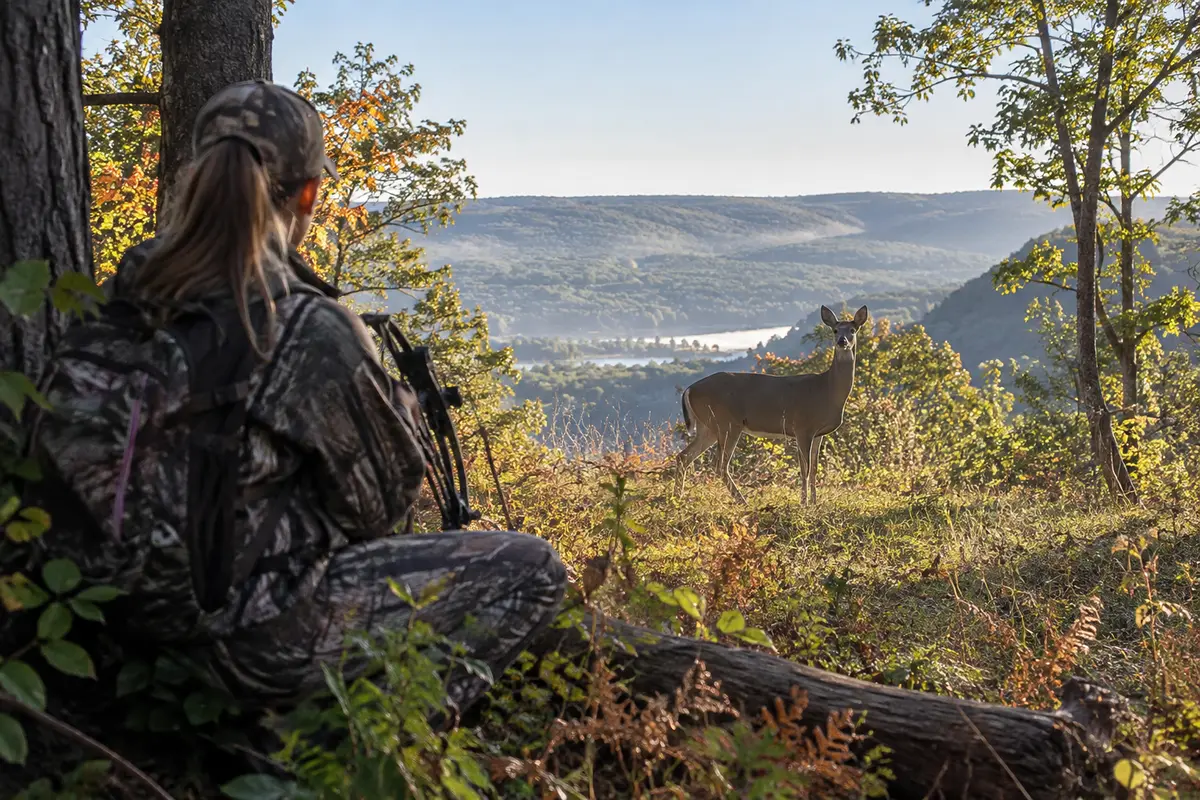
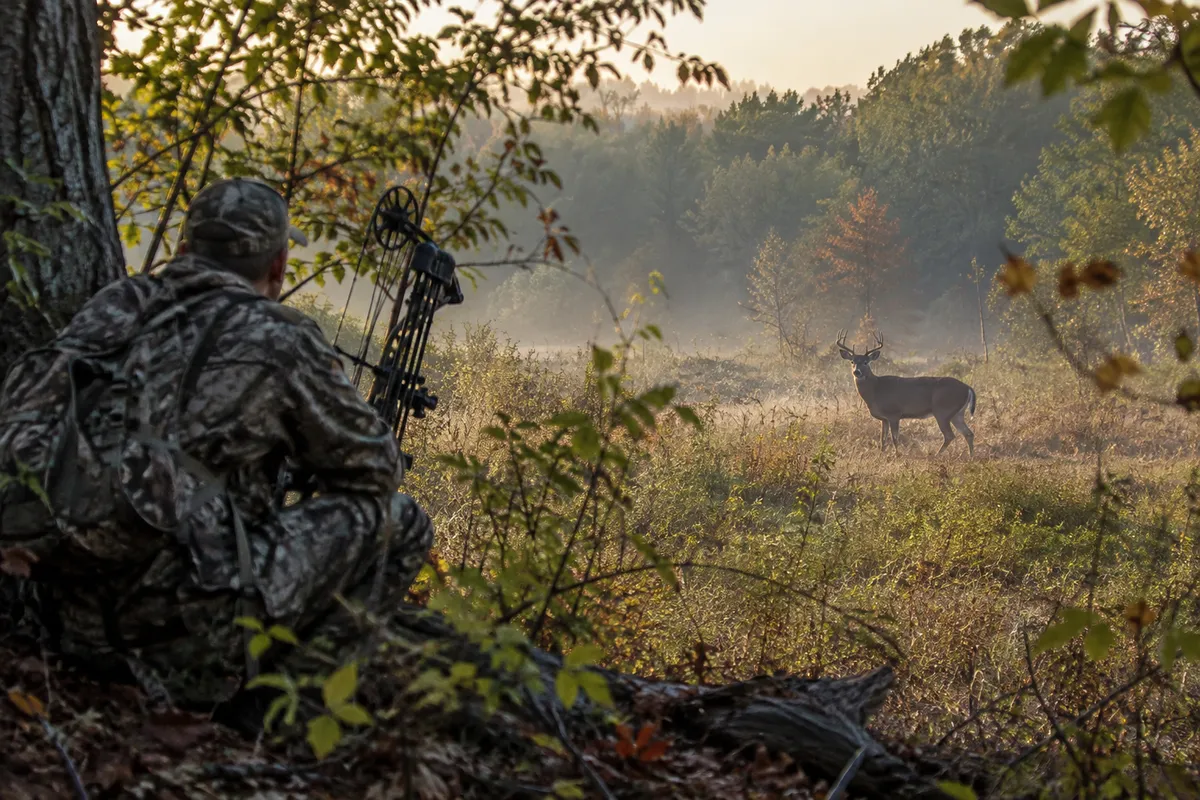
Scent Crusher Ozone Tote Hunting Gear: A Practical Guide
An ozone tote can be one part of a scent-conscious gear routine, but it is not a substitute for clean clothing, careful storage, or attention to wind and access. Here is a practical way to evaluate and use a Scent Crusher ozone tote for hunting gear without treating scent control as a guarantee.
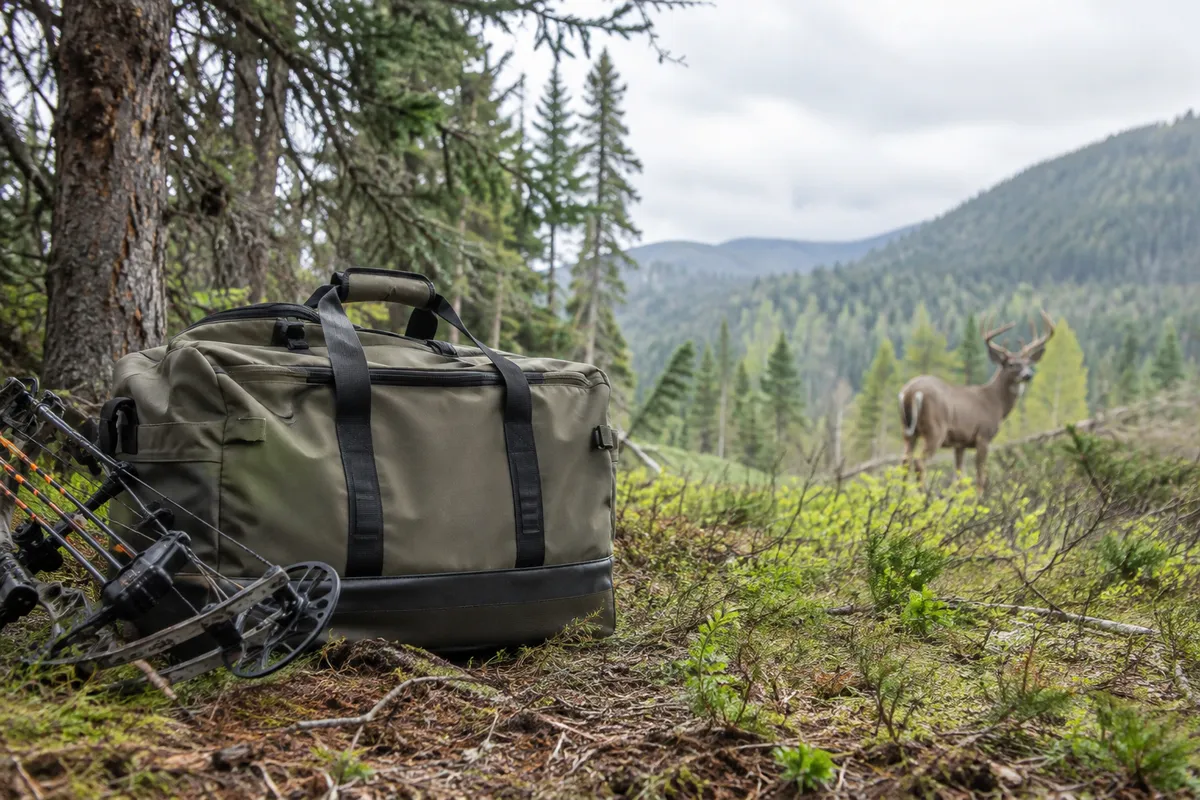
A scent crusher ozone tote hunting gear setup is best understood as one tool in a larger routine, not a promise that a deer cannot detect you. Ozone-treated storage is designed to expose enclosed equipment to ozone, an oxidizing gas; results depend on the tote, the cycle, the load, and what happens after the gear comes out. The most useful question is not whether a tote makes equipment “scent-free,” but whether its size, care requirements, and limitations suit your actual hunting routine.
Before using any ozone product, follow the current manufacturer’s instructions for that exact model. Do not improvise a cycle, run a device around people or pets, or assume a closed bag is safe to open immediately. Product designs and instructions can change, and model-specific details should be checked with the manufacturer.
What does an ozone tote do for hunting gear?
Ozone is a form of oxygen with three atoms per molecule. Because it is reactive, it can alter some odor-causing compounds when ozone reaches them. A tote provides an enclosed space for treating compatible gear, rather than applying a spray directly to every surface.
That description has limits. A packed tote may not expose every fold, pocket, or layered item equally. Dirt, sweat, moisture, and material type affect what treatment can accomplish. Ozone treatment also does not prevent new odors from transferring to clothing when you handle it, ride in a vehicle, or store it beside fuel, food, pets, or everyday laundry.
Treat the tote as an optional step after cleaning—not as a replacement for washing, drying, and sensible storage. A useful overview of the wider routine is in our guide to a hunting gear storage bag, which can help distinguish treatment from ordinary clean storage.
How should you fit a tote into a deer-season routine?
Start with the garments and equipment you actually wear or carry: base layers, outer layers, gloves, headwear, and soft accessories. Keep field-worn items separate from clean items. Follow garment labels for washing and drying; avoid adding detergents or scent products that the clothing maker says can damage specialized finishes.
Once items are clean and fully dry, arrange them in the tote as its instructions specify. Avoid compressing a load so tightly that air cannot circulate, and do not put in anything the manual excludes. If the instructions call for a particular placement or sequence, use that rather than guessing. After the cycle, use the prescribed ventilation and handling steps. Store treated gear in a clean, closed container, away from household odors and vehicle fumes.
Before the season, build this into the broader preparation plan. Our steps to prep for deer season covers the practical planning around equipment, clothing, and readiness, while the deer hunting hub gathers more deer-hunting guidance.
What should you check before choosing or using one?
| Decision point | What to check | Why it matters |
|---|---|---|
| Capacity | Compare the stated capacity with your actual clothing load | Overfilling can make treatment less even and complicate handling |
| Instructions | Confirm the current model manual and cycle directions | Controls, cycle length, and precautions can differ by model |
| Materials | Check labels and manufacturer guidance for garments and equipment | Some materials or finishes may not tolerate ozone exposure |
| Placement | Identify a stable, protected location consistent with the manual | Avoid exposing people, pets, or household items to ozone |
| Maintenance | Review cleaning, storage, and service guidance | A damaged seal or device may not perform as intended |
| After-treatment | Plan how gear will be aired, handled, and stored | Clean gear can pick up odors again during ordinary use |
If you are considering a tote from Scent Crusher specifically, verify the model name, included components, operating directions, and warranty information directly with the manufacturer. Do not infer capacity or performance from a product name or a retailer’s short description. Availability and specifications may change; consult the manufacturer’s current materials and original manual.
What are the safety limits of ozone treatment?
Ozone can irritate and harm the respiratory system. The U.S. Environmental Protection Agency cautions that ozone can be harmful to breathe, and that concentrations high enough to affect indoor air quality can pose health risks. Use an ozone-generating product only as directed, in the conditions specified for that product. Keep people and animals away as the instructions require, and do not defeat safety features or operate a damaged unit.
A tote is not a reason to smell-test the interior or lean over it when opening. Follow the product’s specific end-of-cycle and ventilation guidance. If you smell ozone or experience irritation, leave the area and follow the manufacturer’s safety instructions; seek appropriate medical advice for concerning symptoms. Never use an ozone device in an occupied space unless its manufacturer explicitly directs that use.
Ozone also is not a universal deodorizer for all materials. It can affect some rubber and other substances with repeated or unsuitable exposure. When in doubt, leave the item out and check its maker’s care guidance. Do not use an ozone tote for food, medication, or anything not approved by the product instructions.
Does an ozone tote replace fieldcraft?
No. Deer encounter a combination of cues, and wind, access routes, movement, noise, and habitat still matter. A tote cannot compensate for approaching from a poor direction, crossing a heavily used trail, or handling clothing with strongly scented products. It cannot promise a deer will not detect a hunter.
Use a straightforward decision framework:
- Clean: Wash and dry clothing according to its care label.
- Treat only if appropriate: Use the tote exactly as its current manual directs, with a load and materials it allows.
- Protect afterward: Keep prepared clothing separate from dirty gear, fuel, food, pets, and household odors.
- Plan the hunt: Consider wind and access before choosing a stand or route; scent control is not a substitute for sound decisions.
- Reassess: If the device is damaged, instructions are unclear, or materials are questionable, do not run the cycle until you can verify safe use.
This approach keeps the tote in perspective: a possible aid to gear management, not the central measure of hunting success.
How can you tell whether the tote is a good fit?
A tote may be convenient if you routinely prepare several compatible garments, have a safe location for operation, and can follow the maintenance and storage directions. It may be unnecessary if your needs are met by careful laundering and sealed storage, or unsuitable if you cannot keep the device away from people and pets as directed.
Think through the full workflow, not just the treatment step: where dirty clothing goes after a hunt, where clean clothing stays, how it gets to the field, and whether the tote’s instructions fit your schedule. Keep a simple gear checklist and note any garment that should not be treated. If you hunt in changing conditions, make a fresh plan for clothing and access rather than assuming a previous treatment carries over.
Ultimately, the Scent Crusher ozone tote is a gear-management option whose usefulness depends on model-specific instructions, safe operation, and realistic expectations. Clean clothing, careful storage, and sound deer-hunting decisions remain the foundation.
Frequently asked questions
Can a Scent Crusher ozone tote make hunting clothes completely scent-free?
No. Ozone treatment cannot guarantee odor elimination, and clothing can pick up odors again through handling, transport, or storage. Treat it as one optional step in a broader routine.
Is ozone safe to breathe when using a hunting gear tote?
Ozone can harm the respiratory system. Follow the exact model’s safety and ventilation instructions, keep people and pets away as directed, and do not open or operate the unit in a way that exposes anyone to ozone.
What should go in an ozone tote?
Only items the current manufacturer instructions permit. Check garment care labels, avoid overpacking, and confirm model-specific load and placement guidance rather than assuming every fabric or accessory is suitable.
Sources & further information
Consult these primary sources for current regulations, technical information and local guidance.