Quality Deer Management History: From Idea to Practice
Quality deer management grew from a broad effort to balance healthy deer herds, habitat, and hunter expectations. This guide traces its development and offers a practical framework for understanding the approach today.
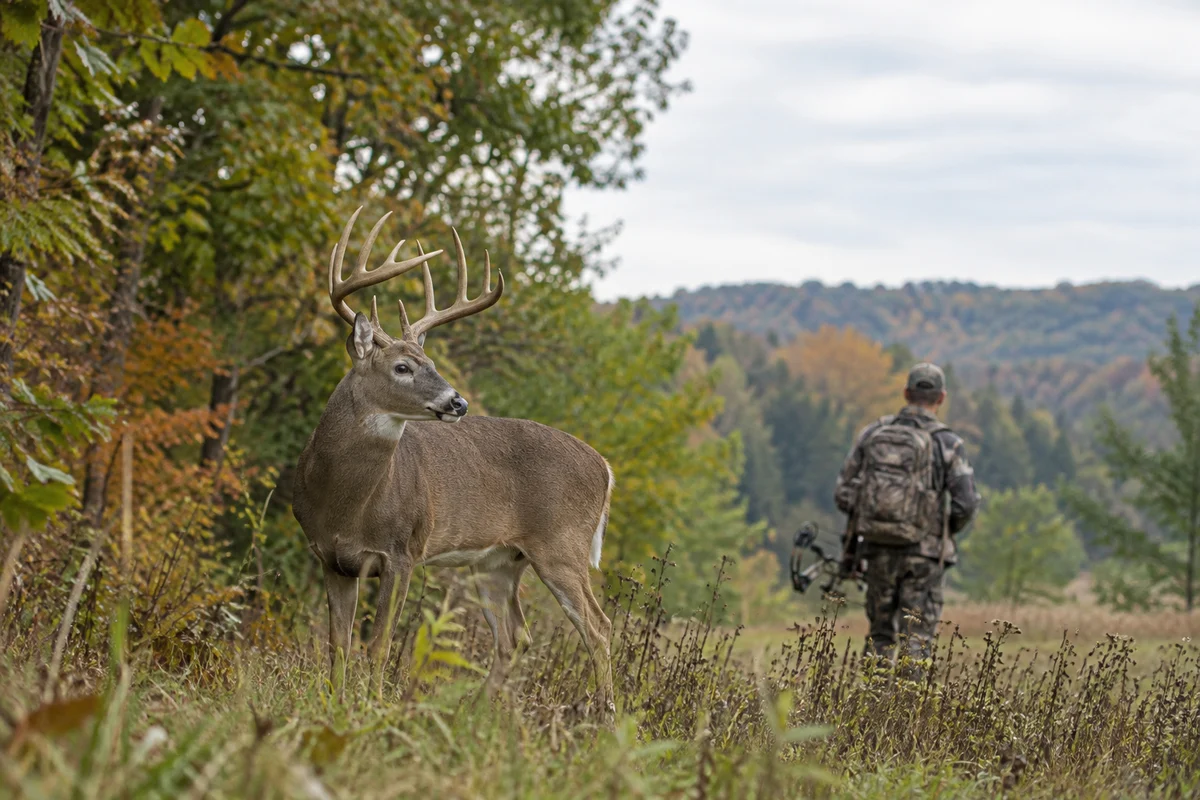
Quality deer management history is more than a story about pursuing older bucks. It reflects changing ideas about wildlife stewardship: how hunters, landowners, and biologists can consider deer populations alongside habitat, age structure, and the needs of an entire local herd. The phrase is often shortened to QDM, but its meaning has never been a single universal rulebook. It is best understood as a set of goals adapted to a particular place.
What does quality deer management mean?
Quality deer management is an approach to managing deer and their habitat with attention to the whole herd, not just the number of animals harvested or the size of a buck’s antlers. Commonly discussed elements include maintaining suitable habitat, setting harvest objectives that fit local conditions, protecting some young bucks where appropriate, and taking does when herd goals and regulations support it.
The word “quality” can be misleading if taken to mean trophy production alone. A thoughtful program may instead prioritize balanced deer numbers, healthy animals, sustainable hunting opportunity, or reduced browsing pressure on vegetation. Those aims can overlap, but they do not always. A property with limited cover and heavy deer use may need different decisions from a large, connected forest where habitat and hunting pressure differ.
For background on the setting and practical considerations, start with the deer hunting hub. The hub’s broader context matters because management decisions are tied to local seasons, access, and the landscape around a hunting area.
How did QDM develop?
The quality deer management history is associated with a shift in emphasis during the late twentieth century, when some hunters and wildlife professionals began promoting a more deliberate approach to deer herd composition and habitat. Rather than treating harvest simply as a matter of opportunity, advocates encouraged hunters to consider what their choices might mean for the herd over time.
The Quality Deer Management Association, commonly known as QDMA, became a prominent organization associated with spreading those ideas. It offered educational materials, workshops, and a community for hunters interested in habitat and herd management. The organization later joined with the National Deer Alliance, forming the National Deer Association. Names and organizational structures have changed, but the underlying conversation about habitat, hunting, and responsible management continues.
This is not a complete history of every regional program or individual contribution. Deer management developed differently across states and landscapes, and the organizations involved are only part of the story. State wildlife agencies have long played a central role in setting seasons, bag limits, and other rules based on local management objectives. Hunters should distinguish a voluntary management philosophy from binding regulations.
Which principles became associated with QDM?
The approach is often described through several connected principles. Their importance and application vary by location:
| Principle | What it asks managers to consider | Why local context matters |
|---|---|---|
| Herd objectives | What population and harvest outcomes are appropriate? | Deer density and agency goals differ across units. |
| Age structure | How do harvest choices affect the range of ages in the herd? | Property boundaries do not contain deer movement. |
| Habitat | Is there adequate food, cover, and plant diversity? | Soil, forest type, and land use shape available forage. |
| Doe harvest | Does harvest align with population and habitat objectives? | Regulations and biological conditions vary. |
| Cooperation | Can neighbors coordinate goals and information? | Deer use multiple properties and jurisdictions. |
These ideas are not a recipe. For example, protecting young bucks can influence the age distribution of bucks harvested, but a single property cannot guarantee what happens to those animals after they move beyond it. Nor does a visible antler characteristic reliably tell a hunter everything about an animal’s age or health. For a related look at the process of assessing age, see how deer are aged at check stations.
How should a landowner or hunting group apply the idea?
Begin with a clear, modest objective. “Improve the herd” is too broad to guide decisions. A more useful objective might be to maintain hunting opportunity while reducing browsing pressure, or to improve habitat diversity while following the state’s harvest framework. Objectives should be measurable where possible, but avoid treating a short-term change as proof of a long-term trend.
A practical planning sequence:
- Read current regulations. Check the state wildlife agency’s official rules for the exact management unit, season, licensing, and reporting requirements. Regulations take precedence over voluntary goals.
- Describe the place. Note the habitat types, boundaries, access, neighboring land use, and signs of browsing. Avoid assuming a small parcel represents the broader herd.
- Set compatible goals. Decide what matters most—habitat condition, harvest opportunity, herd balance, or another objective—and identify tradeoffs.
- Coordinate with neighbors. Discuss shared goals without pressuring anyone to follow a particular harvest choice. Deer movement makes cooperation useful, but participation is voluntary.
- Track observations consistently. Keep dates and locations with notes on sightings, harvest, habitat work, and browsing. Use the same method from year to year; informal observations are useful context, not a population survey.
- Review and adjust. Revisit goals after several seasons, and ask agency biologists or qualified local professionals when decisions exceed what casual observation can support.
Preparation for a hunt is a separate but related task: steps to prep for deer season can help organize practical readiness without confusing equipment planning with herd management.
What can QDM accomplish—and what can’t it promise?
A coherent management effort can help a group make decisions more deliberately, communicate about habitat, and align harvest choices with stated goals. Habitat improvements may also benefit other wildlife, depending on the work and local ecology. But results are constrained by landscape scale, weather, disease, development, hunting pressure, and the movement of deer across property lines.
No management label guarantees larger antlers, a particular number of sightings, or a predictable harvest. Antler growth is influenced by multiple factors, including age, nutrition, and genetics, and managers cannot control all of them. A small group also may lack the data needed to estimate population size or diagnose a habitat problem. When the stakes are significant, consult the responsible wildlife agency rather than relying on a universal online rule.
It is also important to distinguish QDM from mandatory law. Voluntary practices must remain within state and local regulations, including rules concerning bait, feeding, transport, seasons, and harvest reporting. Requirements can change, so check official guidance each season. The U.S. Fish and Wildlife Service provides federal wildlife information, while state agencies administer most deer hunting rules.
A useful way to judge the legacy
The enduring contribution of quality deer management is less a fixed formula than a change in the questions hunters ask. Instead of focusing only on what can be harvested today, the approach invites people to consider habitat, herd goals, neighboring properties, and the consequences of repeated choices. That framework is useful only when it remains grounded in local ecology and regulations.
For today’s hunter or landowner, the practical lesson is straightforward: define the goal, understand the landscape, collect observations carefully, and treat management as a long-term collaboration. The quality deer management history remains relevant because it helped make those questions part of ordinary deer-management discussions—not because one system fits every herd.
Frequently asked questions
What does QDM stand for in deer management?
QDM commonly means quality deer management, an approach that considers herd goals, habitat, harvest decisions, and local conditions together.
Is quality deer management the same as trophy-buck management?
No. Antler goals may be part of a local program, but QDM can also emphasize habitat, herd balance, sustainable opportunity, or other objectives.
Does QDM set hunting laws or harvest rules?
No. It is a management approach, not a substitute for regulations. Follow current rules from the wildlife agency responsible for your area.
Sources & further information
Consult these primary sources for current regulations, technical information and local guidance.