Shimano Caenan Fishing Reel: Is It Right for a New Angler?
A practical guide to evaluating the Shimano Caenan fishing reel as a first baitcaster, with fit, setup, and condition checks that matter more than hype. Because model details and availability can vary, use the reel’s markings and original documentation to verify specifics.
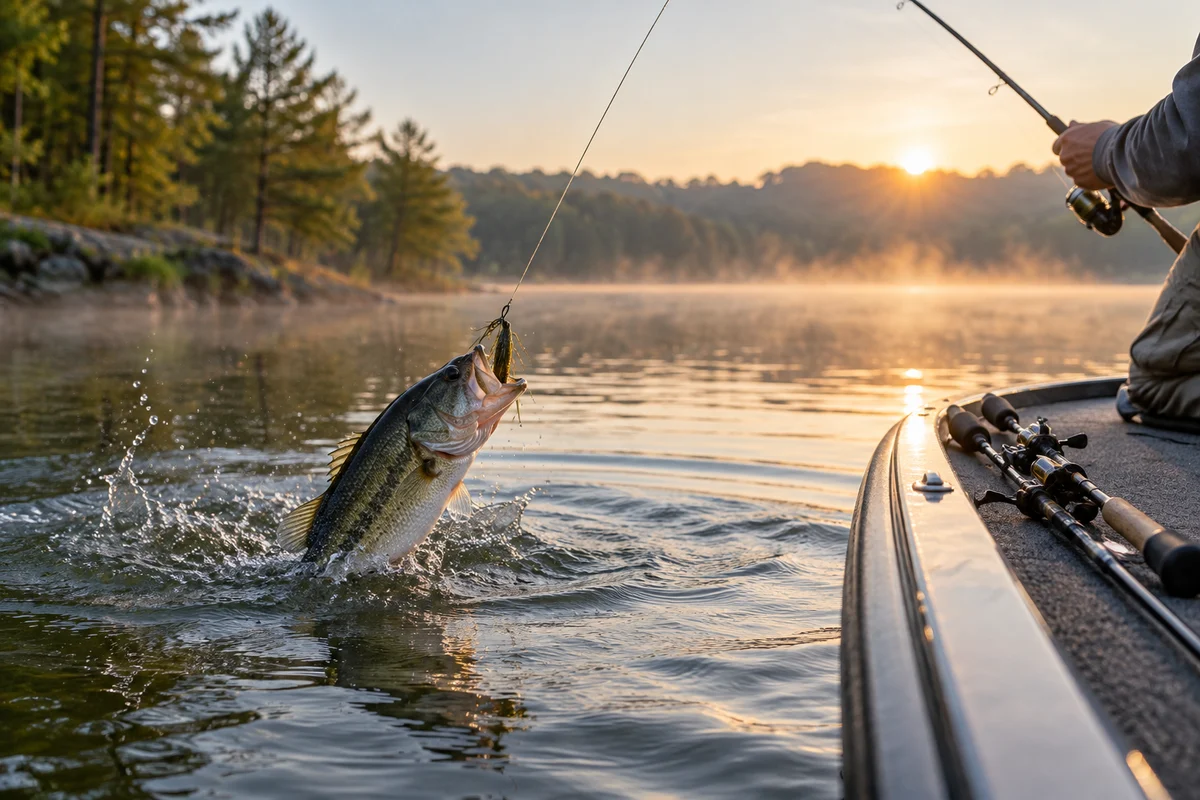
A Shimano Caenan fishing reel may catch the eye of a young angler because it is associated with baitcasting gear that can suit bass fishing. But a reel is a good first choice only when its condition, configuration, and intended use match the person holding the rod. The Caenan name has appeared across product versions, and specifications or availability can vary; check the model markings and consult Shimano’s product information or original manual rather than assuming every reel with the name is identical.
The most useful question is not whether a reel is marketed to beginners. It is whether the angler can control the spool, practice without frustration, and cast the lures they actually use. That makes the Caenan worth evaluating as one option—not an automatic recommendation.
What should you check before choosing a Caenan?
Start by identifying the exact reel. Look for model or generation markings on the reel body, spool, packaging, or paperwork. Confirm whether it is right- or left-hand retrieve, and check that the hand position suits the angler. A young angler should be able to hold the rod comfortably, reach the controls without straining, and make repeated casts without the outfit feeling unwieldy.
Then inspect condition, especially if the reel is secondhand. Turn the handle slowly and listen for rough grinding or clicking that is not part of the reel’s normal operation. Check for a bent handle, loose knobs, corrosion, a damaged line guide, or a spool that does not turn smoothly. Look over the line for abrasion or memory coils; old line can cause trouble that is mistakenly blamed on the reel. If you cannot identify a problem or verify a model, ask a knowledgeable local tackle shop or consult the manufacturer.
| Check | What to look for | Why it matters |
|---|---|---|
| Model identity | Readable model markings and matching documentation | Avoids applying the wrong specifications or instructions |
| Retrieve side | Handle position the angler can use naturally | Comfort helps maintain control through a full session |
| Mechanical feel | Smooth handle and spool action; no obvious damage | Roughness or looseness may indicate service needs |
| Line and spool | Suitable, undamaged line; spool not overfilled | Poor line condition and fill can complicate casting |
| Rod match | A rod the angler can grip and cast comfortably | A reel alone does not determine a balanced outfit |
| Practice conditions | Open area, safe casting direction, suitable practice plug | Reduces snags and makes learning more manageable |
Is a baitcaster a good first reel for a young angler?
It can be, if the angler is interested and has room to practice. A baitcaster gives the user direct control over a revolving spool, but that spool can keep turning after the lure slows. If it overruns, loose line can bunch into a backlash. Learning to adjust spool control and thumb pressure takes patience. Wind, an abrupt casting motion, a lure that is too light for the setup, or an unsuitable control setting can make the learning curve steeper.
A spinning outfit is often simpler for casual casting and may be a better fit for a child who wants to get fishing immediately. That does not make a baitcaster wrong; it means the choice should reflect the angler’s interest, coordination, and tolerance for practice. For help pairing gear around a bass presentation, see this guide to Johnny Morris casting rods. It is useful as a comparison topic, not proof that a particular rod is the right match for a Caenan.
Let the angler handle the outfit before committing. A setup that feels comfortable and can be controlled matters more than choosing the reel with the most features. Keep early practice short and positive: a few controlled casts are more useful than an exhausting session spent untangling line.
How can a beginner set up and practice safely?
First, read the instructions for the exact model. Reel controls and adjustment methods differ, so do not rely on a generic tutorial to set an unidentified version. Use a practice plug or other appropriate casting weight recommended for the rod and reel, and practice in a clear area away from roads, people, pets, overhead wires, and fragile property. Check local rules before practicing in a public space.
Before casting, have an experienced adult check that the lure or plug is secure, the line is threaded correctly, and the rod’s guides are undamaged. Keep hooks covered or use a hookless practice weight when appropriate. Teach the angler to look behind and around them before every cast, maintain a safe distance from others, and stop if the line tangles. Do not try to force a cast through a backlash; pause and clear it carefully using the manual’s guidance.
A simple progression works well:
- Learn the controls on the ground. With the rod pointed safely, practice engaging and disengaging the reel and applying gentle spool pressure, following the manual.
- Make short casts. Start with a short target in calm conditions, using a smooth motion rather than trying for distance.
- Watch the spool. The angler can use a thumb to control spool rotation as the cast slows, in line with model instructions.
- Change one variable at a time. If casts tangle, shorten the distance or adjust the appropriate control as the manual advises; avoid changing several settings at once.
- Stop before frustration takes over. A short break keeps practice productive and preserves enthusiasm.
For bass fishing, the approach should also fit the lure and cover. A heavier, easy-to-cast lure may be simpler for practice than a very light bait, but the rod and reel must be appropriate for the lure’s weight. For a separate look at a topwater option and its presentation, explore this overview of fishing a Hula Popper. Choose tackle based on the water, local regulations, and the angler’s skill—not a promise that one lure or reel will work everywhere.
How does the Caenan fit a bass-fishing outfit?
Think of the rod, reel, line, and lure as a system. Verify the reel’s specifications from the exact model documentation, then choose a rod whose stated lure range and line guidance fit the planned use. Avoid guessing the Caenan’s gear ratio, weight, bearing count, or other details from its name; versions can differ, and those numbers are useful only when verified.
A comfortable grip and manageable total weight are especially important for younger anglers. The rod should not be so long or heavy that the angler struggles to keep it level, and the handle should allow a secure grip. Ask the angler to make several gentle practice motions before fishing. If the reel feels awkward or the thumb cannot comfortably reach the spool, another configuration may be easier to learn.
The freshwater bass-fishing hub gathers related guidance for matching presentations to the fishery. A lure-specific article, such as this guide to early-season lipless crankbaits, can help frame a technique decision, but seasonal patterns vary by region, weather, and water conditions. Follow local fishing regulations and release practices where applicable.
What are the limits of a reel-focused decision?
A reel cannot make casting skill automatic, and a model name does not establish present-day availability, serviceability, or suitability. If a Caenan is an older or used reel, parts and support may differ by version. Confirm those details with Shimano or an authorized service source before relying on it for regular use. If the reel has damage, persistent roughness, or uncertain identity, have it inspected rather than treating adjustment as a cure for a mechanical issue.
Also consider how the angler will fish. For occasional trips or varied light lures, a spinning reel may be less frustrating. For someone eager to learn baitcasting and willing to practice, a properly matched baitcaster can be rewarding. The best choice is the one the young angler can control safely and use with confidence—not simply the one with the most appealing name.
A field decision framework
Choose a Caenan only after you can answer these questions: Is the exact model identified? Does its retrieve side suit the angler? Does the reel operate smoothly and appear undamaged? Can a compatible rod and lure be matched using verified specifications? Is there a safe place and patient adult available for practice? If any answer is no, pause and verify or compare another setup before fishing.
When the answers are yes, keep expectations realistic. Begin with short casts, check line condition regularly, and make adjustments gradually. A thoughtful first session teaches control; it does not need to produce long casts or a fish to count as a success.
Frequently asked questions
Is the Shimano Caenan suitable for a young beginner?
It may suit a young angler who wants to learn baitcasting and can practice safely. Fit, exact model, condition, and patience matter; a spinning outfit may be easier for immediate casual use.
How do I identify which Caenan version I have?
Check the reel’s markings and any original packaging or manual, then compare those details with Shimano’s official information. Do not assume specifications are identical across versions.
What is the easiest way to reduce backlashes while learning?
Use the exact model’s instructions, practice short smooth casts in a clear area, and apply controlled thumb pressure as the spool slows. If a tangle develops, stop and clear it carefully rather than forcing the cast.
Sources & further information
Consult these primary sources for current regulations, technical information and local guidance.