Record Smallmouth Wisconsin: How a Catch Becomes Official
A practical guide to understanding Wisconsin smallmouth-bass records, documenting a potential state-record catch, and handling a fish carefully while you verify the rules. The key is to rely on current official guidance rather than an old headline or an unverified scale reading.
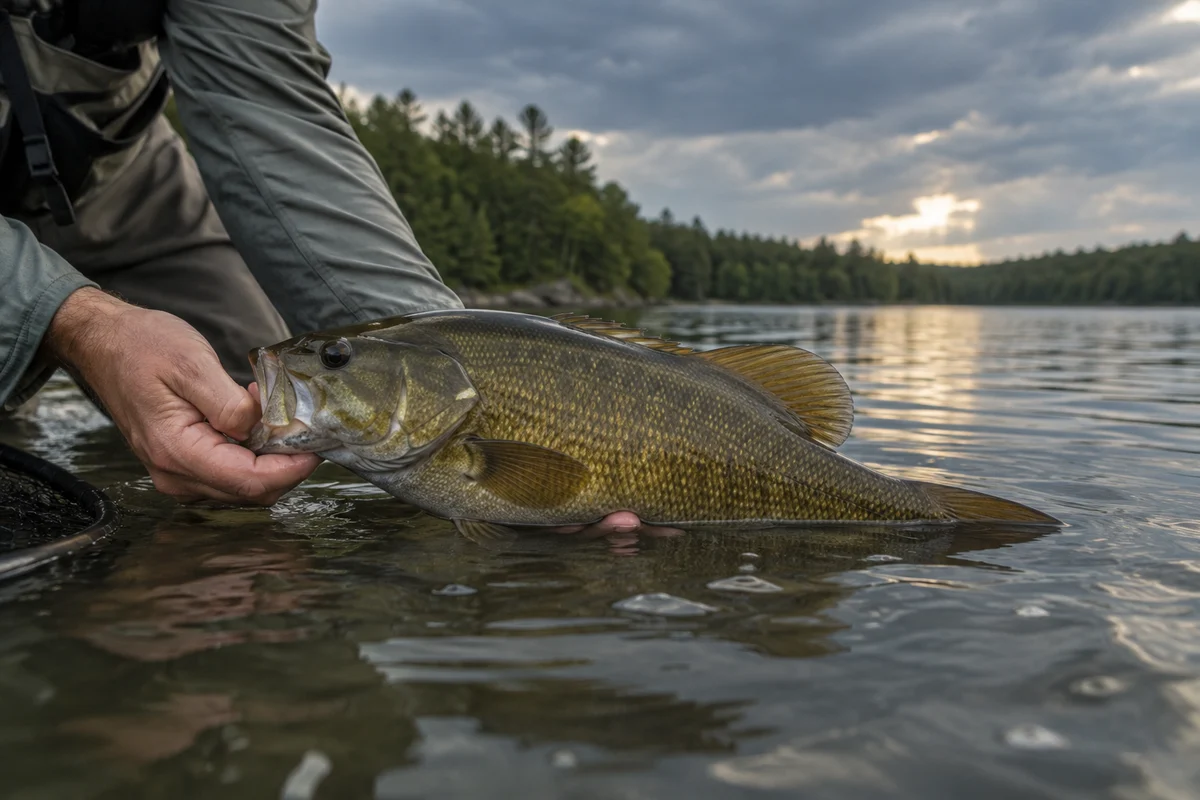
A record smallmouth Wisconsin anglers hear about may refer to a fish weighed, a fish released, or a claim that has not been formally recognized. Those are different things. Before treating a remarkable catch as a state record, establish which record category is involved, preserve reliable evidence, and check the current rules with Wisconsin’s official recordkeeper. That approach matters whether the fish is kept for weighing or released promptly.
A headline or social post can be a useful lead, but it is not a substitute for an official record listing. Record programs can distinguish between fish taken by different methods or documented under different procedures, and rules may change. Start with the Wisconsin Department of Natural Resources (DNR), then confirm the exact category and application requirements before making a claim.
What does “record smallmouth Wisconsin” actually mean?
The phrase can describe several things: a state-record fish recognized by an agency, a fish being considered for recognition, or an impressive catch reported informally. A caught-and-released fish is not automatically an official record simply because a photograph shows a large bass. Recognition depends on the record program’s current criteria and the evidence it accepts.
First identify the category. Is the claim for a fish retained and weighed, or for a fish released and documented under a particular program? Are there separate rules for methods, waters, or documentation? Do not assume that a record list, an old news story, and a catch-and-release recognition program use the same standards. The DNR is the appropriate starting point for Wisconsin fishing regulations and current record information; ask the agency which procedure applies if its published guidance does not resolve a detail.
It also helps to separate three measurements: length, weight, and an estimate. A tape can support a length claim, but it does not establish weight. A scale reading is meaningful only when the scale, weighing method, and record rules are suitable. A photograph can document context and appearance, but perspective, a curved measuring surface, or an unreadable scale display can make it weak evidence.
What should you do when a smallmouth looks record-sized?
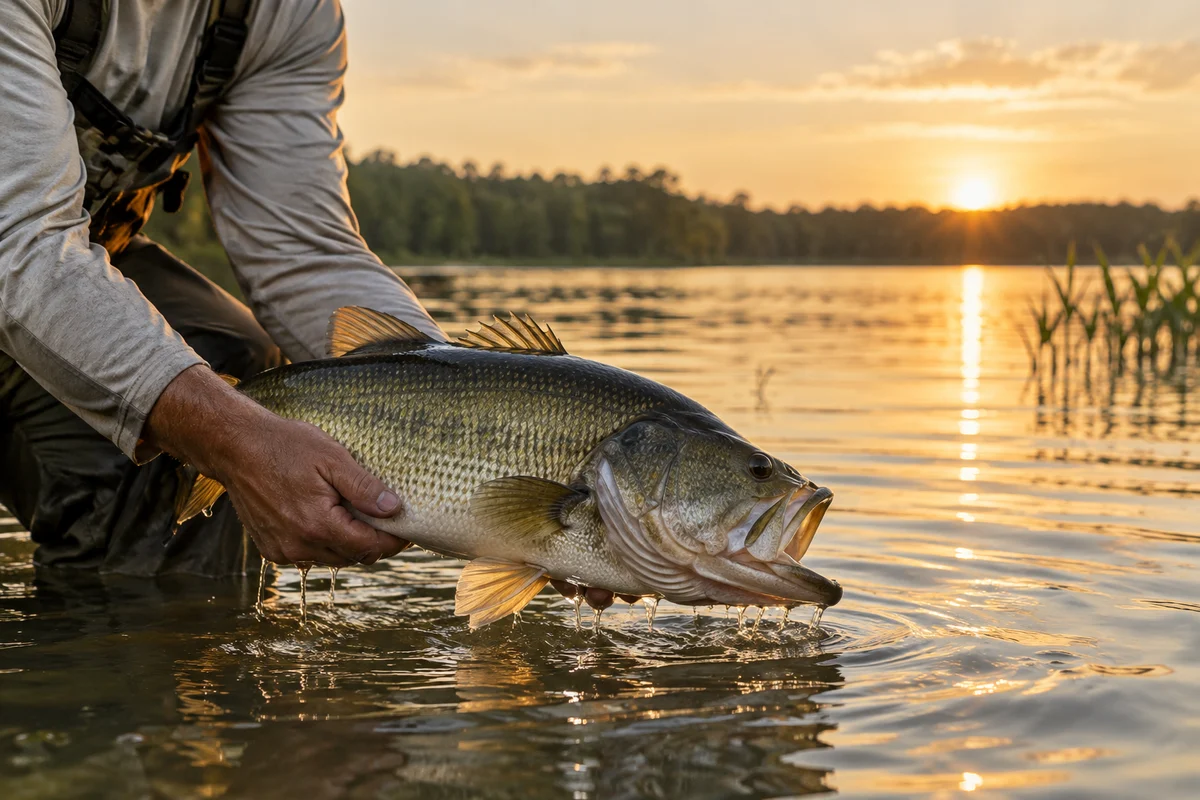
Keep the fish’s welfare and the applicable fishing rules in view before gathering documentation. If you plan to release it, prepare the measuring board, camera, and any permitted weighing equipment before lifting the fish from the water. Wet hands and a wet, level measuring surface help limit handling stress and reduce measurement errors. Keep the fish supported horizontally, avoid squeezing the body or holding it by the jaw for an extended period, and return it to the water as soon as practical.
Use a simple evidence sequence:
- Check the rules first when possible. Know whether the water has special regulations and what the potential record category requires. Regulations can differ by water and season.
- Capture a clear length measurement. Lay the fish straight, with the mouth positioned as the official method specifies. Photograph the full fish and the measuring marks in the same frame, without stretching or bending it to improve the number.
- Document the scale only if the rules call for it. Make sure the display is visible and the weighing method follows the program’s instructions. Do not present an estimate as an official weight.
- Record the context. Note the date, waterbody, location details requested by the agency, gear or method if relevant, and names of witnesses. Keep original, unedited image files.
- Contact the recordkeeper promptly. Ask what forms, witnesses, scale checks, or other verification are required before describing the catch as a record.
- Release carefully if that is your choice and lawful. Support the fish in the water until it can maintain itself; avoid unnecessary revival handling or repeated photo sessions.
These steps are a documentation framework, not a substitute for the current official application instructions. If a rule requires a certified scale, witness, or specific form, a phone photo alone may not satisfy it.
Length, weight, and evidence: a field decision framework
| What you have | What it can support | What it cannot establish by itself | Best next step |
|---|---|---|---|
| Clear fish-on-board photograph | A visible length and the fish’s general condition | Verified weight or eligibility for a record category | Compare the method with the current DNR instructions |
| Scale photograph with readable display | A recorded scale reading at that moment | Scale accuracy, correct procedure, or record acceptance | Preserve scale details and ask the recordkeeper what verification is required |
| Witnesses and notes | Context and independent recollection | Measurement accuracy without supporting evidence | Keep contact information and submit the required documentation |
| Social post or old article | A clue that a catch or claim was reported | Current official status or present-day rules | Locate the agency’s current record information |
A sensible decision is to call or message the agency before making a public claim if the category is unclear. If conditions make documentation unsafe for the fish or impractical, prioritize a quick, careful release and report only what you can substantiate. The goal is not to turn a fish into a prolonged photo session; it is to preserve enough credible information to let the official process evaluate the claim.
How can you avoid confusing an old report with today’s record?
Search results can preserve old announcements long after records, regulations, or program procedures have changed. An article may accurately describe a claim at the time it was published without proving that the claim remains the current benchmark. Check the date, the source, and whether the source is the recordkeeping authority. Look for a current official listing or confirmation rather than repeating a number from a secondary page.
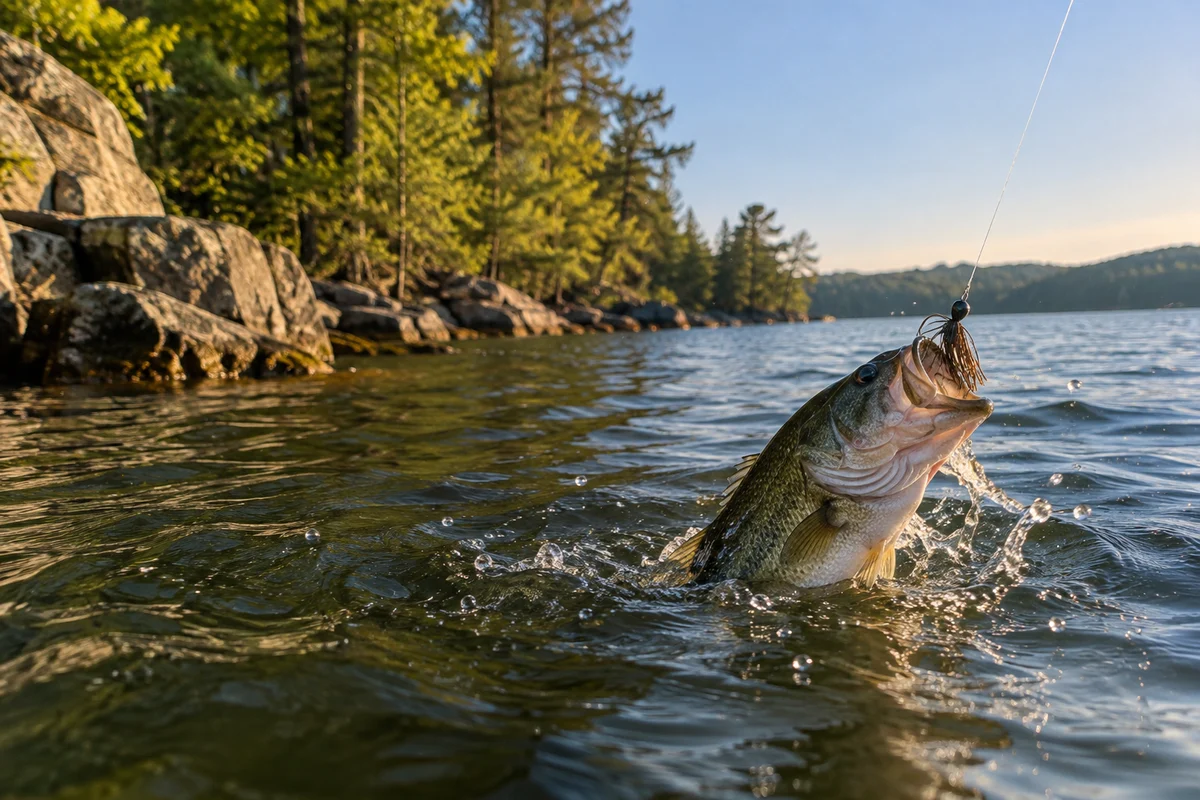
When comparing a potential record with other bass, make sure the species identification is sound. Smallmouth and largemouth bass can be confused in poor photographs, and fish size alone is not enough to settle identification. A clear view of the fish and, when needed, an experienced local fisheries professional can help. Avoid guessing a weight from length: body condition varies, and a conversion formula is an estimate, not record verification.
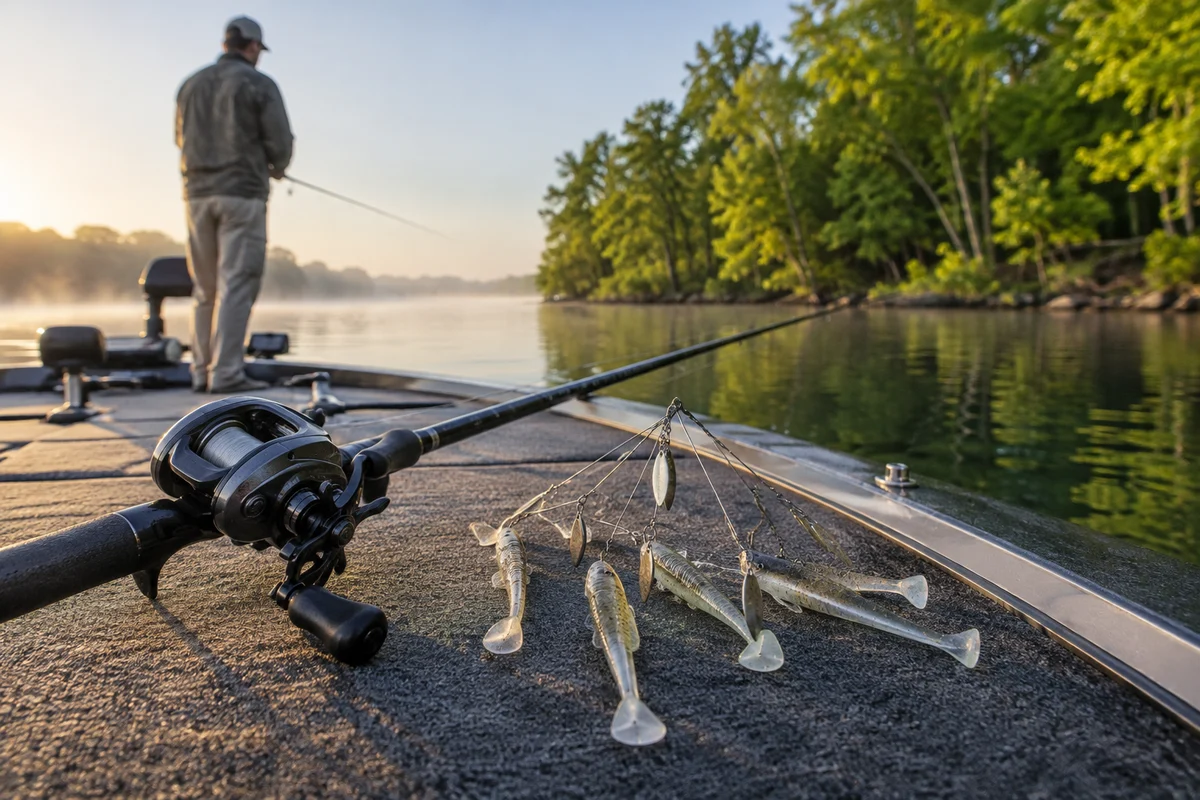
For anglers planning a bass outing, the bass-fishing hub gathers related freshwater guidance. If you are choosing a moving bait for a search pattern, see this guide to choosing lipless crankbaits for early-season bass. For a different approach around cover and active fish, compare the considerations in how to choose a spinnerbait for bass. These are fishing tactics, not record-certification advice; always match tackle and methods to local rules and conditions.
What should you verify before submitting a claim?
Before completing any application, use a short pre-submission check:
- Confirm that the fish is eligible under the current Wisconsin category and method.
- Verify whether the record is based on weight, length, or another defined measure.
- Check required equipment standards, witness rules, deadlines, and forms directly with the official recordkeeper.
- Keep original photos and notes; do not crop away useful context or alter a display image.
- Describe uncertainty honestly. State whether a measurement is approximate, whether the fish was released, and what evidence is available.
- Follow fishing, possession, and handling regulations for the water where the fish was caught.
If the official process does not recognize the catch as a record, it can still be a memorable fish. Accurate reporting protects the credibility of the record system and helps other anglers distinguish documented records from informal claims. The most useful story is the one that says what is known, how it was measured, and what remains unverified.
The useful takeaway
A potential record smallmouth is both a fishing milestone and a documentation question. Identify the category, use the current Wisconsin DNR guidance, collect clear evidence without keeping the fish out of the water longer than necessary, and avoid calling a claim official until it has been verified. When in doubt, ask the agency before relying on a number circulated online.
Frequently asked questions
Does a released smallmouth automatically qualify as a Wisconsin state record?
No. Release does not itself establish record status. Eligibility depends on the current record category, required measurement and evidence, and official verification.
Is a photograph of a large smallmouth enough to prove its weight?
No. A photograph may document appearance or a visible measurement, but it does not independently verify weight, scale accuracy, or compliance with record procedures.
Where should I check Wisconsin record and fishing rules?
Start with the Wisconsin Department of Natural Resources and confirm the current record category and water-specific regulations with the agency before submitting or publicizing a claim.
Sources & further information
Consult these primary sources for current regulations, technical information and local guidance.