Finesse Fishing With Gliding Jig: A Subtle Bass Approach
A compact gliding jig can offer a quieter, more controlled presentation when bass ignore faster or larger lures. Learn how to choose conditions, work the bait, and adjust with confidence.
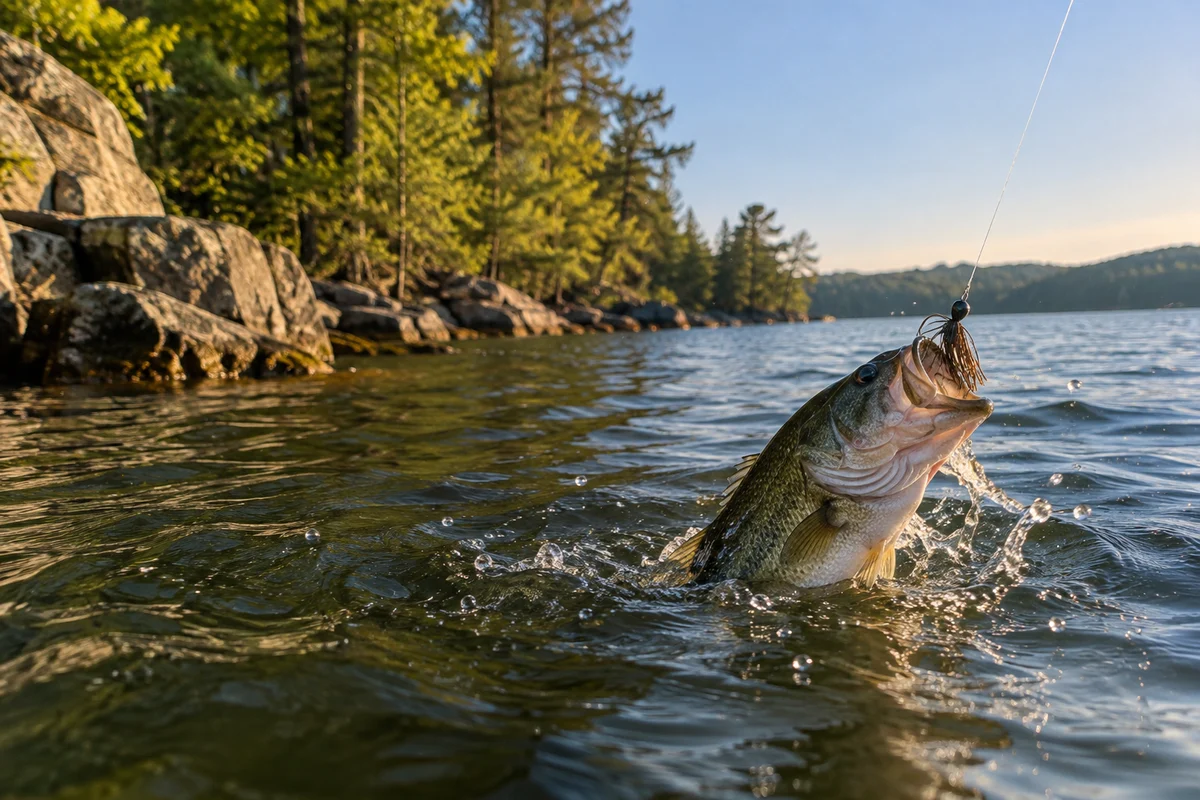
A gliding jig can give a bass a slow, compact target without leaving it motionless on the bottom. Finesse fishing with gliding jig presentations are useful when fish track a lure but will not commit, when clear water makes a subtle approach sensible, or when you need to keep a bait near a likely holding area. The VMC Gliding Jig is one example of this style of lure; the ideas here focus on presentation rather than unverified product specifications.
The key is to treat the jig as a tool for controlled movement, not as a guaranteed solution. Wind, depth, cover, line, trailer, and the fish’s mood all change how it behaves. Start with a simple retrieve, watch what the lure does beside the boat or bank, and make one adjustment at a time.
What makes a gliding jig a finesse option?
A traditional jig is often crawled, hopped, or pitched into cover. A gliding jig is commonly worked with short rod movements and pauses so it moves laterally or swims in a restrained path. The exact action depends on the jig’s design, trailer, line, and cadence. Check the product packaging or manufacturer information for the intended rigging and compatible components; do not assume every model behaves the same way.
“Finesse” describes the presentation, not necessarily a particular rod or a tiny lure. The aim is to keep the profile and movement measured. A modest trailer, controlled casts, and deliberate pauses can make the bait easier to keep in a strike zone. If bass are actively feeding, a faster search bait may cover water more efficiently. For a contrast in speed and vibration, see our guide to early-season bass lipless crankbaits.
When should you try one?
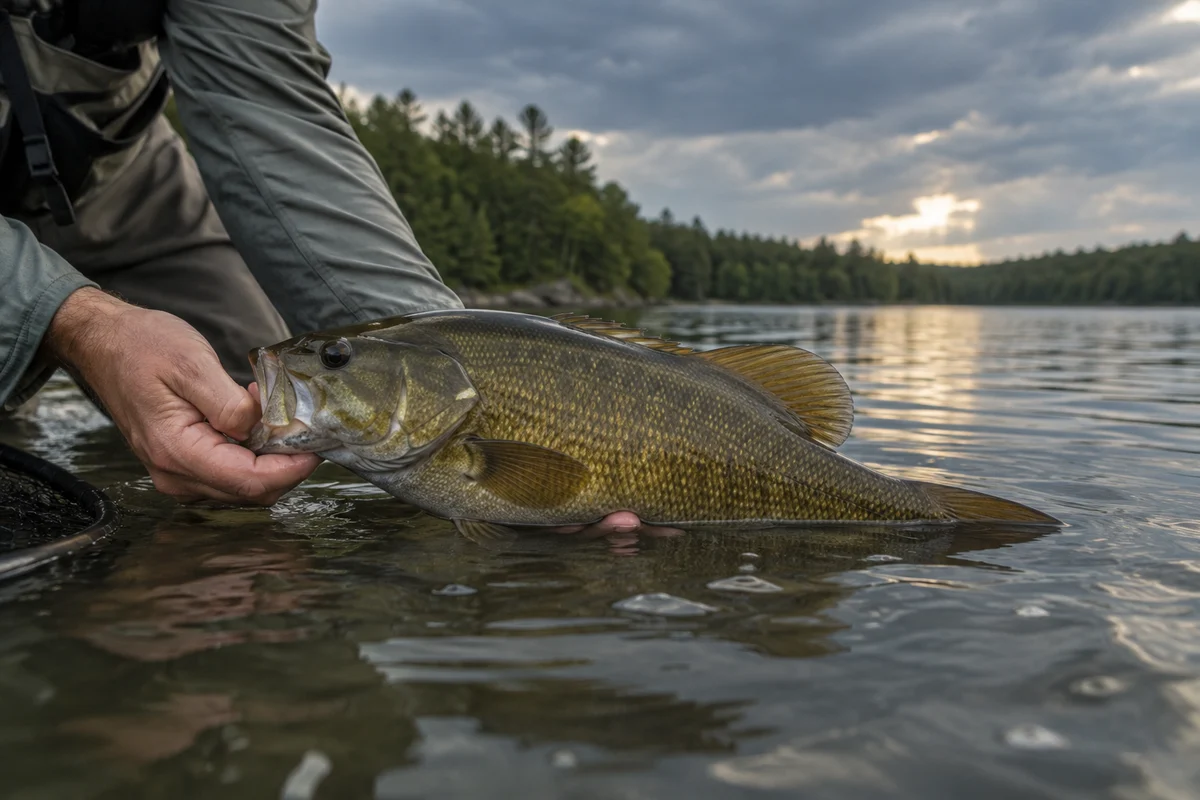
Consider a gliding jig when you have a reason to slow down around a specific area: a dock edge, a weedline opening, a laydown perimeter, a rock transition, or a point where baitfish gather. It is most useful when you can keep the lure near likely fish without dragging it continuously through snags.
Use water clarity and light as clues, not rules. In clear, calm conditions, a quieter approach can be worthwhile. In wind, stained water, or heavy current, fish may need a more noticeable target; a compact glide can still work, but you may need a larger profile, a more assertive cadence, or a different lure. Match the bait’s visibility and movement to what fish can plausibly detect.
A practical decision framework:
| Situation | Starting presentation | What to watch |
|---|---|---|
| Clear water, visible cover | Cast beyond the target; use short glides and pauses | Followers, turns, or a fish holding behind the lure |
| Wind or light chop | Keep contact and shorten pauses | Whether the lure stays on course and is detectable |
| Sparse vegetation or rock | Swim it above or along the edge | Snagging, contact, and strikes at transitions |
| Tight cover | Make controlled, accurate casts; avoid forcing it into thick snags | Whether a jig better suited to cover is needed |
| Fish follow but refuse | Change pause length or trailer profile once | Whether the fish reacts to a different speed or silhouette |
These are starting points, not universal prescriptions. A lake’s forage, season, depth, and local regulations matter. For other bass presentations and seasonal choices, browse the freshwater bass-fishing hub.
How do you work the jig without overworking it?
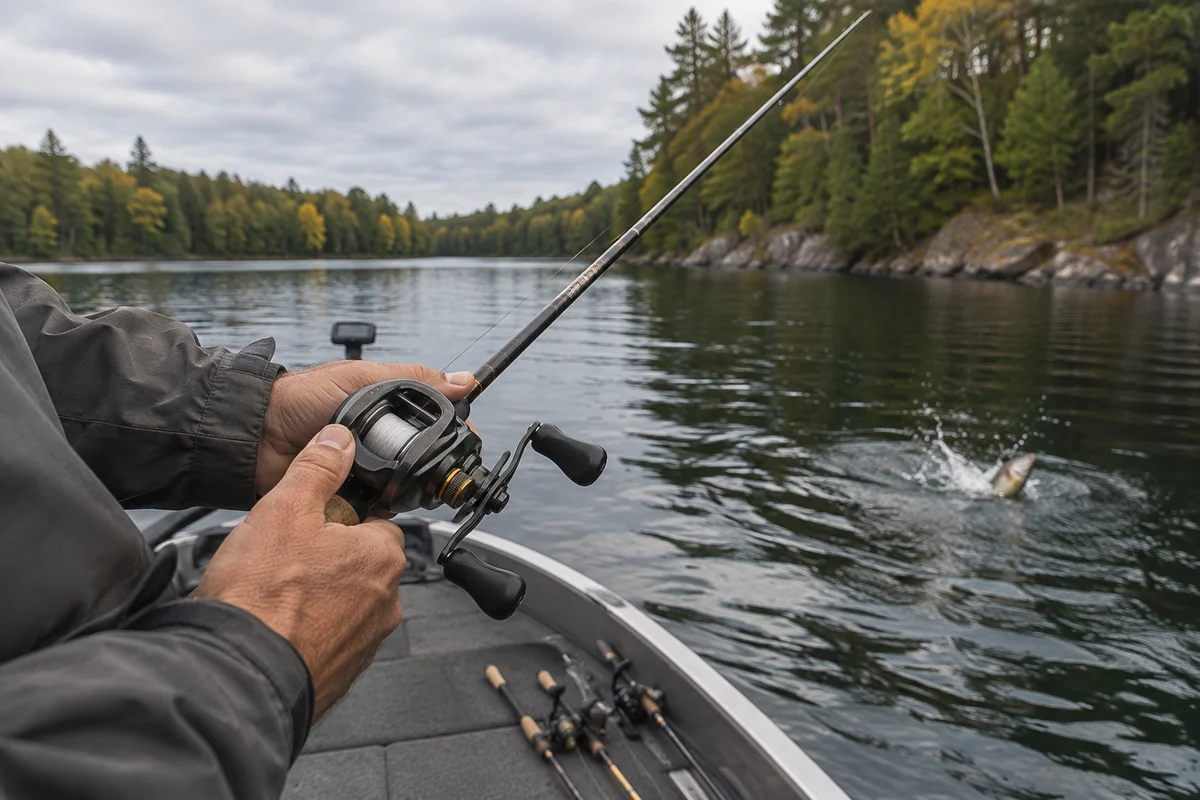
Begin with a cast that lets the lure settle or begin swimming at the depth you intend to fish. Use small wrist-led movements rather than sweeping the rod dramatically. Retrieve enough line to remove slack, then impart a short pull or twitch and let the jig glide. Pause briefly. Repeat while observing whether the bait tracks naturally and remains in the target zone.
If the jig rises too quickly, reduce the force of the pull, allow a longer pause, or adjust the retrieve and tackle while staying within manufacturer guidance. If it sinks into cover or loses its swimming path, retrieve more steadily or move to a cleaner lane. The goal is a controlled, repeatable movement—not a rigid count of seconds that ignores depth and current.
Pay attention to line. A subtle tick, an unexpected slack loop, or a line that moves sideways can indicate contact or a bite. Keep enough tension to detect changes, but avoid pulling the jig away from fish during the pause. When you feel a fish, use a firm, controlled hook-setting motion appropriate to the hook and tackle, then maintain steady pressure and guide the fish away from hazards.
What tackle and trailer choices matter?
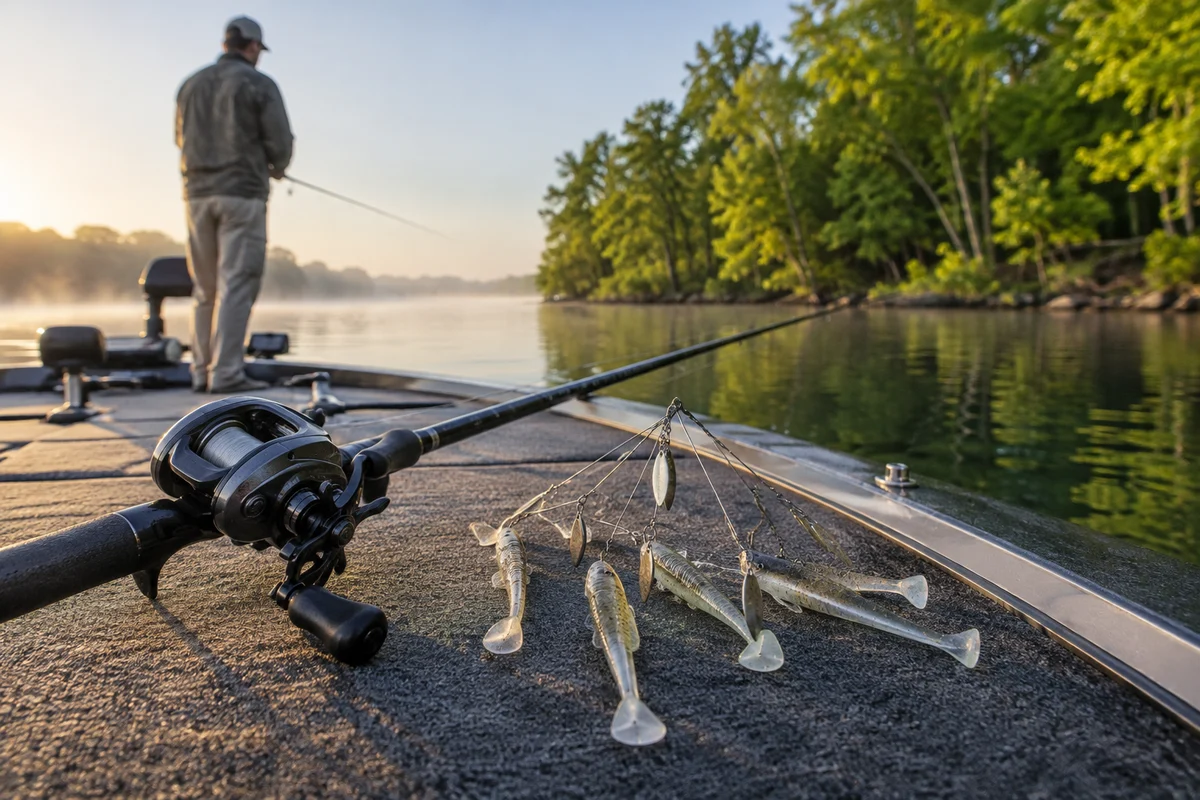
Start with tackle that casts the lure accurately and lets you feel or see changes in line. Rod power, action, line type, and lure weight should be compatible with the specific jig and local cover. Because products and versions can differ, consult the manufacturer’s current information rather than relying on a guessed weight, hook size, or recommended line class.
A trailer can alter profile, resistance, and glide. A bulky or highly active trailer may slow the fall or create more movement; a compact one may keep the presentation restrained. Choose a trailer that fits the jig securely and does not interfere with the hook. If the bait rolls, spins, or tracks inconsistently, inspect the rigging and trailer alignment before changing everything else.
Keep color choices practical. Begin with a shade that resembles local forage or contrasts enough to be seen in the conditions. There is no need to carry an elaborate color chart. A natural option and a more visible alternative provide a useful comparison; change color only when you have a reason, such as changing clarity or seeing fish follow without striking.
Anglers who prefer a longer, slower profile can compare the approach with fishing a 10-inch worm. The worm and glide are different tools, but both reward attention to where the lure is in the water and whether the fish have time to react.
How can you diagnose a missed opportunity?
A follow is information. First, repeat the same cast and cadence once if conditions remain steady. Then alter one variable: pause length, retrieve speed, cast angle, or trailer profile. Changing several things at once makes it hard to learn what mattered. If fish repeatedly follow without striking, consider whether the lure is moving too quickly, passing too far from them, or appearing unlike available forage.
If you get no response, do not assume the jig is wrong. The fish may be elsewhere, inactive, or holding at a different depth. Use a search presentation to locate likely bass, then return to a slower glide around confirmed targets. A faster moving option such as a floating buzz bait can help cover water when surface activity or aggressive fish make a more visible search worthwhile; it is a different presentation, not a direct substitute in every situation.
Keep a brief note of conditions, location type, depth estimate, and cadence. A few observations from your own waters are more useful than treating a single outing as a universal rule. Handle fish carefully, wet hands before contact, and follow local rules for seasons, size limits, and protected waters.
A simple first-outing checklist
- Confirm the jig’s intended rigging and use current manufacturer guidance for specifications.
- Choose an accessible edge or opening rather than beginning in the thickest cover.
- Observe the lure’s action close to shore or boat before making long casts.
- Make controlled casts past likely holding spots and work the bait with small movements.
- Watch the line during pauses; a bite may not feel like a sharp strike.
- Change only one presentation variable at a time.
- Stop or switch methods if the lure repeatedly snags or cannot remain in the intended zone.
A gliding jig earns its place when it lets you present a compact bait deliberately and learn from each response. Start with manageable targets, tune the cadence to the water, and let the fish’s behavior—not the lure’s name—tell you whether to keep going.
Frequently asked questions
What is finesse fishing with a gliding jig?
It is a restrained presentation using short movements and pauses to make a jig glide or swim near likely bass-holding areas. The precise action varies by jig, trailer, line, and retrieve.
When should I use a gliding jig for bass?
Try it around specific edges or openings when a controlled, compact presentation makes sense, especially if fish are following faster baits. Conditions and local forage should guide your choice.
How do I know whether to change the retrieve?
Use fish responses as clues. If bass follow without striking, adjust one factor—such as pause length, speed, or cast angle—then compare. If there is no activity, first consider changing location or depth.
Sources & further information
Consult these primary sources for current regulations, technical information and local guidance.