Rebel Micro Pop R: A Small Popper for Bass
The Rebel Micro Pop R is a compact topwater option for bass when a surface presentation fits the conditions. Learn where to try it, how to work it, and what to check before tying on a specific model.
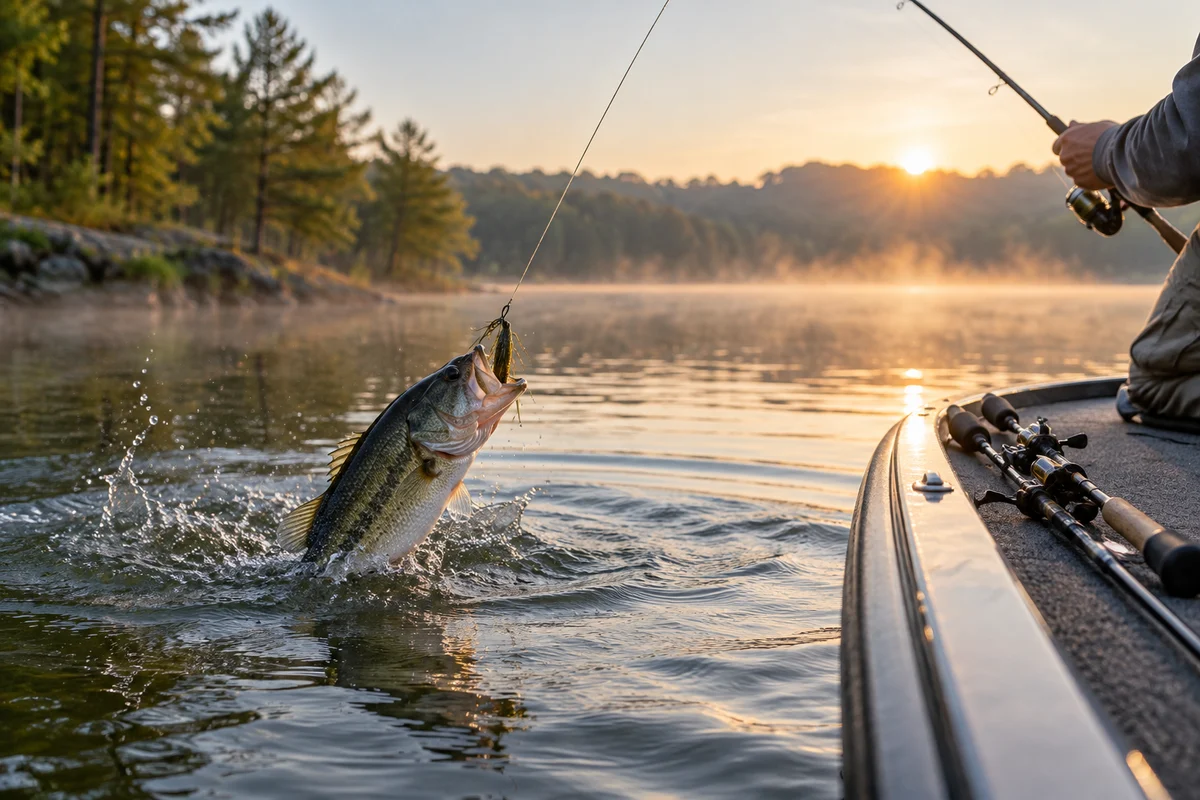
The Rebel Micro Pop R is a small popper-style lure for anglers who want to present a surface bait without making a large splash. Its size can make it a useful choice when bass are feeding on small prey or responding cautiously, but no lure is a sure thing. Conditions, fish behavior, and a controlled retrieve matter more than a fixed cadence. Because product details can vary by version or market, check Rebel’s current information for the exact model before relying on measurements or hook details.
What is the Rebel Micro Pop R, and what does it do?
The Micro Pop R belongs to the popper family of topwater lures. A popper’s shaped front catches water when it is twitched, creating a surface disturbance; pauses let the lure sit before the next movement. That combination of sound, splash, and stillness is the basic appeal. The “micro” name indicates a compact presentation, but consult the manufacturer’s site for model-specific dimensions, weight, color options, and current packaging rather than assuming those details from the name alone.
A small popper is not simply a miniature version of every larger topwater. Its lighter, smaller presentation calls for controlled line movement: an overly forceful snap can pull it forward or make it behave differently than intended. Think of it as a surface tool for probing a promising area at a deliberate pace, not as a lure that must be constantly splashed.
For the broader range of bass approaches, browse the freshwater bass-fishing hub. It provides context for pairing a surface presentation with other ways to cover water when fish do not respond up top.
When should you try a small popper?
Start with water where you can reasonably watch the lure and read a fish’s response: a quiet pocket, a protected bank, a shallow edge, or an opening beside cover. Calm or lightly rippled conditions make it easier to see subtle movement and keep the lure in a small area. Wind and heavy surface chop can obscure the action, though a sheltered corner may still offer a workable lane.
Look for signs that bass may be feeding near the surface, such as bait activity or a fish turning on shallow prey. These clues are not guarantees. If the surface is empty, the water is heavily disturbed, or fish are holding deeper, another presentation may be more efficient. A popper is especially useful when you can place it beside likely cover and allow it to remain in view rather than retrieving it quickly across open water.
Light, brief activity around a bank can justify a careful test, but avoid assuming that a particular season or time of day always produces topwater action. Local weather, water clarity, forage, and fishing pressure all influence whether bass rise. Let what you observe guide the decision.
How do you retrieve the Rebel Micro Pop R?
Make a controlled cast beyond or alongside the target, then let the surface settle before moving the lure. Begin with a short twitch and watch how the bait responds. Follow with a pause long enough to notice whether a fish approaches or the rings fade. Repeat with modest variations: a single twitch and pause, two separated twitches, or a slightly longer rest. The aim is to change one part of the rhythm at a time so you can tell what the fish are reacting to.
Keep the rod movement restrained. Short movements of the rod tip can make a popper disturb the surface without dragging it far from the target. If each twitch pulls the lure out of the strike zone, soften the movement and add pause time. If fish follow but turn away, try a quieter presentation or a longer pause before making the next cast. If nothing happens after several thoughtful casts across different angles, move on rather than repeating the same cadence indefinitely.
When a fish strikes, resist an immediate, oversized sweep. A surface strike can be difficult to read, and reacting to the splash alone may pull the lure away before the fish has it. Keep contact and respond when you can feel the fish or see that it has taken the bait, using a controlled hook-setting motion appropriate to your tackle.
What tackle helps present a compact popper?
Use tackle that can cast and work a light topwater lure without overpowering it. A rod with a responsive tip can help deliver small movements, while a reel and line combination should suit the rod, the cover, and the angler’s casting control. There is no single setup that fits every Micro Pop R version or every waterbody; check the maker’s guidance and your rod’s line and lure ratings.
Tie a secure knot and inspect it before fishing. Check the lure’s attachment point and hooks for damage, corrosion, or a point that no longer catches cleanly. Small topwaters can be awkward to cast into a breeze, so practice placing the lure near—not directly into—cover. That reduces snags and gives you room to work it in place. Keep a safe distance from other people when casting, since treble-hooked lures can catch skin or clothing.
If the lure repeatedly fouls on vegetation or cannot be worked cleanly through the cover, choose a more suitable presentation rather than forcing it through. For a different surface approach that can cover water while moving, compare the general role of a floating buzz bait. It makes a different kind of disturbance and is not a direct substitute in every situation.
Why might bass ignore it, or why might it misbehave?
First check the simple causes: Is the lure moving too far on each twitch? Is wind masking the surface signal? Is the target area actually shallow enough for a surface bait to matter? Adjust the cadence, change the casting angle, or pause longer. A fish that follows without committing may be responding to the presence of the lure but not its speed, noise, or position; try a quieter sequence before abandoning the area.
If the lure rolls, spins, or behaves inconsistently, inspect the line tie, knot, hooks, and body for visible damage or fouling. Remove weeds and check that the line is not wrapped around a hook. Do not assume every movement problem can be corrected by bending or altering components; use the manufacturer’s care guidance, and discontinue use if a damaged lure or hook could create a hazard.
A change in lure type can also be the right adjustment. When bass are not feeding at the surface, a subsurface search bait may reach fish that a popper cannot. For one alternative aimed at early-season bass, see this guide to choosing lipless crankbaits. The point is to match the presentation to observed conditions, not to insist on one lure because it is already tied on.
How should you decide whether to keep fishing it?
Evaluate a small popper by the response it gets, not by a promise of catches. Give it a fair trial across a few likely targets and vary the pause and twitch modestly. If bass show interest, continue refining the presentation. If there is no visible activity and no response, cover new water or switch to a lure that better fits depth, cover, and wind.
After fishing, rinse off debris when needed, let the lure dry, and store it so hooks cannot tangle with other tackle. Before the next trip, verify the exact product details and replacement guidance through Rebel’s current product information. That is especially useful if the lure is an older purchase, because packaging and listed specifications may not match every version sold under a familiar name.
The practical takeaway is straightforward: fish the Rebel Micro Pop R slowly enough to keep it near a target, watch how bass react, and adjust one variable at a time. A compact popper earns a place when surface conditions and fish behavior make that presentation sensible; it is only one option in a versatile bass tackle selection.
Frequently asked questions
What kind of lure is the Rebel Micro Pop R?
It is a compact popper-style topwater lure intended for surface presentations. Check Rebel’s current product information for the exact specifications of the version you have.
How should I retrieve a Micro Pop R?
Let it settle after the cast, then use short, controlled twitches separated by pauses. Adjust the movement and pause length based on how the lure behaves and whether fish show interest.
Can I use the Rebel Micro Pop R in windy water?
You can try it in a sheltered area, but strong chop can make a small surface lure harder to see and work consistently. Consider calmer water or a presentation better suited to the conditions.
Sources & further information
Consult these primary sources for current regulations, technical information and local guidance.