Lake Erie Smallmouth Bass by Season: A Practical Fishing Guide
Lake Erie smallmouth patterns shift with temperature, forage, weather, and location—not just the calendar. Use this seasonal guide to plan where to look, how to adjust presentations, and when to put safety and local regulations first.
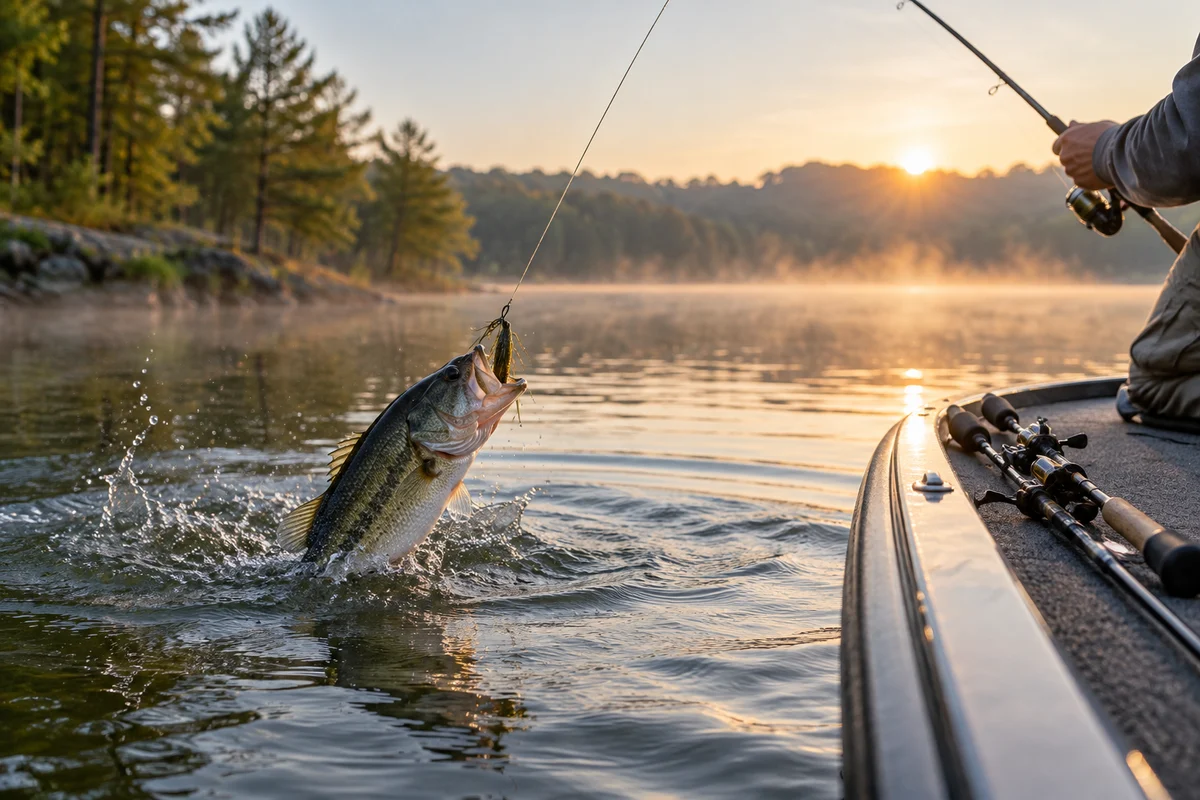
Lake Erie smallmouth bass by season is best understood as a changing pattern, not a fixed calendar of guaranteed hot spots. Water temperature, wind, clarity, forage, and the lake’s broad geography all affect where bass hold and how they respond. A useful plan starts with seasonal expectations, then adapts to the conditions actually in front of you.
What changes smallmouth location through the year?
Smallmouth move between deeper water and shallower feeding or spawning areas as conditions change. The timing varies across Lake Erie: a sheltered area, an exposed shoreline, and different parts of the lake may warm or cool at different rates. A cold spring can delay a familiar pattern; a warm spell may bring a short-lived shift forward. Treat seasonal descriptions as clues, not dates.
Look for combinations rather than a single magic feature. Rocky or mixed bottoms, points, drop-offs, shoals, and nearby access to deeper water can all be useful areas to investigate. Bass may use different depths during the day, and wind can alter where baitfish and feeding fish are found. Electronics and careful observation help narrow a search, but they do not replace checking local conditions and fishing safely.
For broader smallmouth context and related freshwater coverage, visit the bass-fishing hub. Before fishing, check current rules for the exact waters and jurisdiction you plan to visit; Lake Erie regulations can differ by state, province, season, and species.
Where should you look for bass in spring?
As the water warms, smallmouth often transition from wintering areas toward shallower feeding and spawning habitat. Early in the transition, search near deeper water and along routes leading toward protected or shallower areas. Later, fish may use rocky flats, points, and other areas with suitable bottom and nearby depth. The progression is gradual and can reverse temporarily when cold weather returns.
Start methodically. Probe likely transition edges with a moving presentation, then slow down if you mark fish or get a bite without a follow-up. Compact jigs, soft plastics, and suspending or shallow-running lures can cover different depths; choose based on the water and the fish’s response rather than assuming one style is seasonally mandatory. A subtle presentation may be useful when fish are cautious, while a moving lure can help locate active fish.
Spawning behavior deserves particular care. Smallmouth may become visible in shallow water, but a fish’s presence does not make it necessary to target it. Follow the current regulations, avoid disturbing nesting areas, and consider leaving spawning fish alone. Local rules and conservation guidance take precedence over generalized seasonal advice.
How do summer patterns change?
In summer, smallmouth may use a broad range of depths. They can feed shallow during favorable light, wind, or forage conditions and hold deeper when the shallows are less comfortable. Rather than assuming that all fish move deep, check several zones: shoreline structure, points, offshore rock, and the edges where shallow feeding areas meet deeper water.
A practical approach is to cover water first, then refine. Cast a search bait across likely structure, note where bites or follows occur, and revisit that depth and type of bottom. If fish are present but reluctant, try a slower finesse presentation. The VMC gliding-jig overview offers another example of how anglers think about controlled, subtle presentations; match any technique to local rules and conditions.
Wind can make a location productive by moving forage, but it can also make a large lake dangerous. Check the marine forecast, waves, and advisories before leaving, and keep a conservative route and return plan. If conditions build beyond your boat or crew’s ability, changing plans is the right decision—not a lost opportunity.
What makes fall fishing different?
Cooling water can bring smallmouth into feeding patterns that are less predictable than a simple “fish shallow” rule. Baitfish movement, wind, and the day’s temperature trend may matter more than the month. Search for signs of forage and active fish, then work nearby structure and depth changes. When a location goes quiet, move rather than repeating casts without evidence.
Use a range of presentations. A crankbait or other moving lure can help locate fish, while a jig or soft plastic can thoroughly cover a productive area. Surface lures may draw interest when bass are feeding near the top; the Rebel Micro Pop-R article provides related context on a small topwater style. A lure’s name or category does not guarantee a particular result, so let observed fish behavior guide the choice.
As the season advances, falling temperatures and rougher weather can shorten safe fishing windows. Keep clothing, communications, and a plan for changing conditions in mind. Check local rules for any seasonal closures or restrictions rather than relying on an old calendar or another angler’s recollection.
Where do smallmouth go as winter approaches?
As water cools further, bass commonly shift toward deeper, more stable areas and may become less consistently active. In some locations, fish can still feed during favorable periods, but cold fronts and changing conditions can make activity brief. Focus on depth transitions and nearby structure, and be prepared to slow down or cover water until you find the right level.
Lake Erie is a large, exposed water body, so late-season fishing requires especially conservative decision-making. A calm launch does not guarantee calm conditions later. Review current forecasts and marine warnings, use appropriate safety equipment, and do not make a trip solely because a seasonal pattern suggests fish might be catchable. If safe access is uncertain, wait for a better day.
Winter does not mean that the same approach works everywhere. Ice, shore access, and open-water opportunities vary by location and conditions. Never assume ice is safe based on appearance or on reports from a different area; consult local authorities and make conservative choices.
How can you build a season-specific plan?
Use a simple process that keeps the calendar in perspective:
- Check the rules first. Confirm current size, possession, season, and method regulations with the authority responsible for the water you will fish.
- Check conditions. Review wind, waves, temperature, visibility, and any advisories. Reassess if conditions change.
- Choose a starting zone. Use the season to select a sensible depth range and habitat, not a precise coordinate or guaranteed location.
- Test, then adjust. Begin with a presentation that covers water. If fish show interest, refine speed, depth, and profile; if not, change location or presentation.
- Handle fish carefully. Keep fish in the water when practical, minimize handling, and release them promptly when releasing is required or chosen.
Keep brief notes on conditions, depth, bottom type, and what changed during the day. Over time, those observations are more useful than treating a seasonal chart as a promise. For Lake Erie smallmouth, the strongest plan is flexible: understand the broad seasonal movement, verify today’s rules and weather, and let the fish and conditions refine your approach.
Frequently asked questions
What is the best season for Lake Erie smallmouth bass?
There is no single best season for every angler or location. Spring transitions, summer depth changes, and fall feeding can each offer opportunities, but weather, local regulations, and the day’s conditions should guide your plan.
Do Lake Erie smallmouth bass move to the same places every year?
Seasonal tendencies repeat, but exact locations and timing can change with temperature, forage, wind, and local habitat. Use seasonal patterns to choose areas to investigate, then adapt to current conditions.
Where can I check Lake Erie smallmouth regulations?
Check the current fishing regulations from the state or provincial authority responsible for the specific waters you plan to fish. Rules may vary across Lake Erie jurisdictions and can change.
Sources & further information
Consult these primary sources for current regulations, technical information and local guidance.