Giant record buck Iowa: How to verify a remarkable whitetail
A remarkable Iowa whitetail can prompt a record-sized claim, but a headline and a photograph do not establish a recognized record. Here is how to understand the scoring, evidence, and official checks behind the story.
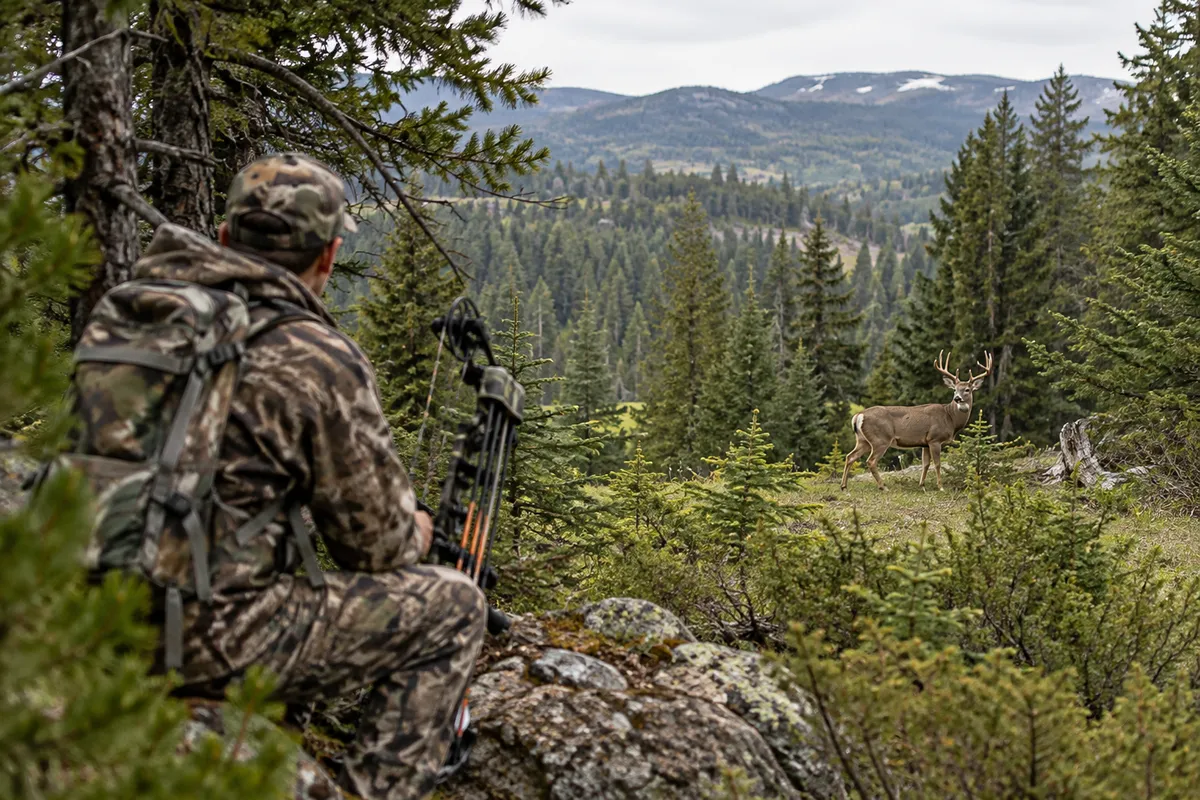
Giant record buck Iowa is a search phrase that invites a closer look at what makes a whitetail an official record—and what remains an unconfirmed possibility. A dramatic rack, a widely shared photograph, or a headline about a “possible record” can start the conversation, but none alone confirms a place in a state or national record book. The useful questions are more specific: Which record category is being discussed? Was the rack measured under that organization’s rules? Is the result documented and accepted? Those distinctions help readers assess the story without turning an intriguing claim into a fact before it is verified.
What does “possible record” mean?
“Possible record” is a description of potential, not a record status. It may refer to antlers that look unusually large, an early estimate, or a comparison with a published benchmark. Until the relevant record-keeping organization applies its rules and accepts the entry, the claim remains provisional. A photograph can suggest scale, but perspective, camera distance, and the angle of the rack make visual comparisons unreliable.
The phrase “record buck” is also incomplete unless it identifies the category. Record lists may distinguish typical and non-typical antlers, state or regional records, and other classes or measurement systems. A buck might be notable in one category without being the largest under another. A credible account therefore identifies the category and the body whose list is being referenced, rather than using “record” as a general synonym for “very large.”
That is the right lens for a legacy headline about a possible Iowa record buck. The headline’s framing is not independent confirmation of a final score, an accepted entry, or a record-holder designation. Readers looking up the Austin Pontier buck should look for a clearly identified record category and documentation from the appropriate record authority before repeating a specific record claim.
How are whitetail antlers evaluated?
Recognized scoring systems use measurements and defined rules, not a visual estimate alone. Depending on the system and category, a measurer may record main-beam length, tine length, circumferences, and the spread between antlers. The rules explain where each measurement begins and ends, how measurements are rounded, and how differences between the left and right sides affect the final result. The exact method matters: scores produced under different systems may not be directly comparable.
Typical and non-typical categories describe different antler configurations. In broad terms, a typical rack follows a more regular pattern of points, while a non-typical rack includes additional points or growths that do not fit that pattern. The governing rules—not a casual visual judgment—determine how a rack is classified and scored. A large-looking set of antlers may not score as expected if its measurements or configuration differ from what the viewer assumes.
Some record systems also distinguish an initial or gross tally from a final score after deductions or other adjustments. Do not compare an early estimate with a finalized entry as if they were the same figure. Before treating a number as meaningful, find out which scoring system produced it, whether the score is preliminary or final, and whether the rack has been officially accepted. The Boone and Crockett Club is one established organization with big-game record information; consult the current rules and listings for the category you are assessing.
What evidence makes a record claim credible?
A sound report separates what can be observed from what has been verified. Clear photographs can document the animal and rack, but images should not be treated as a substitute for measurement records. Useful reporting identifies who measured the antlers, which rules were used, whether the result is preliminary or final, and which organization maintains the record list in question. If the record body publishes an entry or confirmation, that is stronger evidence than an unsourced number repeated across posts.
Timing and custody can matter to the verification process as well. Record organizations may have procedures about when measurements can be finalized and what documentation they require. Those requirements vary, so readers should check the current rules rather than assume that every organization uses the same process. Avoid inferring a score from a person’s hands, a tape held beside the rack, or a comparison with another photograph; those images lack the controlled measurements needed to establish a formal result.
When details are missing, keep the wording proportionate: “reported as a possible record” or “awaiting confirmation” is more accurate than “Iowa record” if no accepted listing can be found. An unverified claim can still describe an impressive deer. Being precise about its status simply protects the distinction between a compelling story and a documented record.
How should readers check an Iowa record claim?
Start by identifying what “record” means in the report. Is it an Iowa state category, a national listing, a typical or non-typical class, or a different measure altogether? Then find the record organization responsible for that exact category. Check its current rules, published listings, and any process it describes for confirming an entry. A state wildlife agency can provide authoritative information about deer management and regulations, but a biological or harvest record is not automatically the same thing as an antler-scoring record.
For state-specific deer information, begin with the Iowa Department of Natural Resources. Look for current deer resources and distinguish agency guidance from a separate record organization’s scoring decision. Regulations and agency pages can change, so consult the current official material for questions about seasons, reporting, and lawful harvest. For broader hunting context, the deer hunting hub gathers related ODU Magazine coverage.
Aging a deer is another subject readers may encounter in harvest stories, but age and antler score are different measurements. The guide to how deer are aged at check stations explains the distinction: age estimates concern the animal, while a record score concerns antler measurements under a defined system. One does not verify the other.
How can you compare this story with other record-buck coverage?
Use the same questions for every headline: What category? Which scoring authority? Preliminary or accepted? Is there a verifiable listing? This approach is especially helpful when news coverage uses superlatives without supplying measurement details. A high number or a phrase such as “largest ever” is not self-explanatory unless readers can trace it to a named set of rules and a documented category.
Other widely discussed buck stories can be useful comparisons for how record language circulates, but they are not proof of an Iowa claim. For example, ODU Magazine’s coverage of the Brewster buck story gives readers a related reference point for record-buck discussion. A separate account of an Illinois record-whitetail claim is another reason to keep state, category, and scoring method clear. Do not assume that a story’s wording, score, or verification process transfers from one animal or jurisdiction to another.
When a report cites no official listing, that absence does not prove the deer was ordinary or that a claim is false. It means only that the available information does not establish an accepted record. The fair conclusion is to leave the status open and revisit the relevant organization’s materials if a verified result is later published.
What should readers remember about a “giant” buck?
A “giant” is an informal description; a record is a defined status. The most responsible way to discuss a remarkable Iowa whitetail is to separate its appearance and reported measurements from the formal outcome. Look for an identified category, a named scoring system, qualified measurements, and confirmation from the organization that keeps that record. If any of those pieces are missing, describe the claim as unverified rather than supplying a score or title that the evidence does not support.
This distinction benefits hunters, wildlife readers, and the people connected to a story. It recognizes that an exceptional animal can be noteworthy even when its exact rank is unknown, while preserving the credibility of record books and reporting. For the Iowa story behind this legacy path, the headline alone cannot settle whether the buck became a recognized record. Until an authoritative, category-specific confirmation is available, “possible record” remains the careful description.
Frequently asked questions
Does a large-looking rack prove a buck is a record?
No. Photographs and visual estimates can suggest an unusually large rack, but an official record depends on the applicable category, scoring rules, measurements, and acceptance by the relevant record organization.
What does “possible record buck” mean?
It indicates that a buck may merit comparison with a record category, but it does not mean the score or record status has been confirmed. Check the responsible organization’s current rules and listings.
Where can I check Iowa deer information?
The Iowa Department of Natural Resources is an authoritative starting point for state deer information and regulations. For antler-record status, also identify and consult the organization responsible for the specific record category.
Sources & further information
Consult these primary sources for current regulations, technical information and local guidance.