Illinois Record Whitetail Deer: How Records Are Verified
A reported giant buck is only the beginning of a record story. Understand how Illinois whitetail records are scored, documented, and officially verified—and what a score can and cannot tell you.
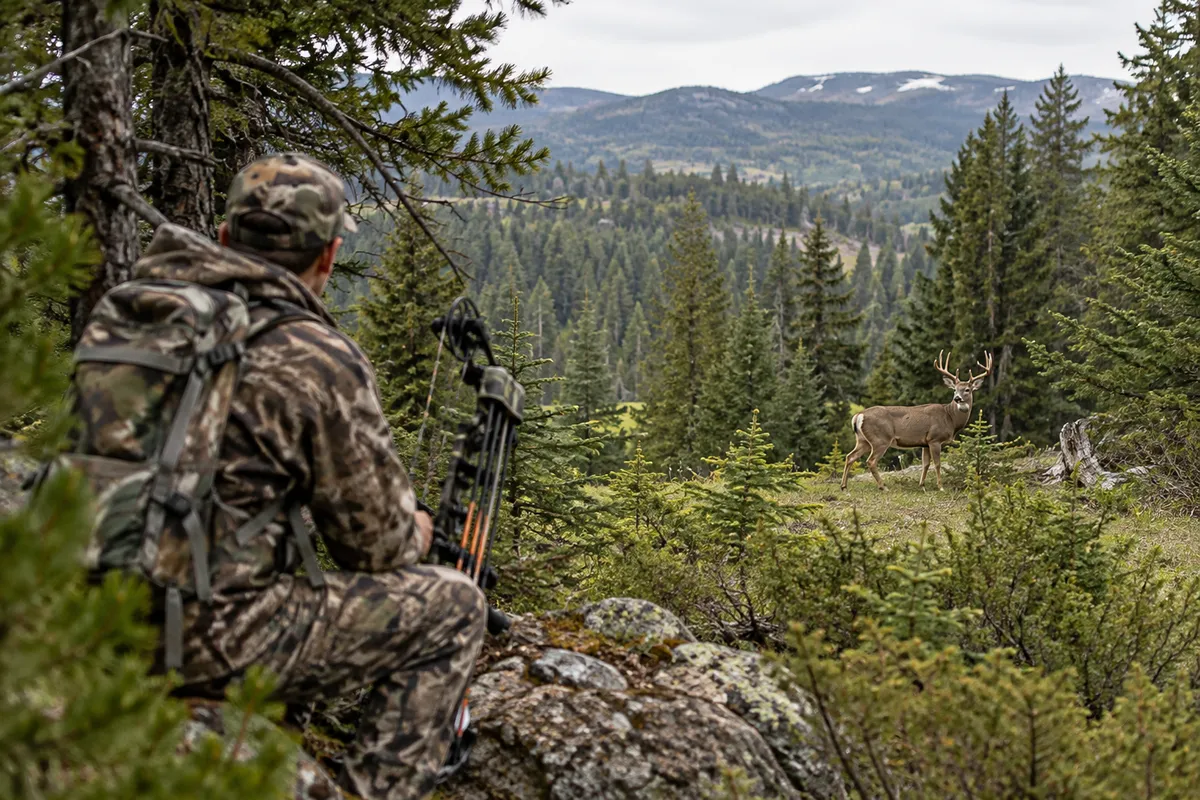
A report about an illinois record whitetail deer can spread quickly, especially when photographs show an unusually large rack. But the phrase “record” can mean several different things: a remarkable buck, a high preliminary score, a state record in a particular category, or a listing accepted by a recognized recordkeeping organization. Those are not interchangeable. Understanding the distinctions helps readers assess a headline fairly and gives hunters a sound process for documenting a deer without turning an unverified claim into a fact.
This guide explains the basics of antler scoring and record verification. It does not assign a score or confirm a particular animal’s status. Official records depend on the organization, category, documentation, and review in effect at the time of submission.
What does “Illinois record whitetail deer” mean?
There is no single universal record list that covers every meaning of “largest.” A record could refer to the highest score in a state database, a county or local distinction, a specific antler category, or a record-book entry under a national organization’s rules. Some systems separate typical racks—where the main structure is comparatively symmetrical—from non-typical racks that include qualifying abnormal points. Others distinguish archery, firearm, or other harvest categories, and may include separate rules for picked-up antlers.
Before repeating a record claim, identify the exact category and keeper. Ask whether the figure is preliminary or final, whether the animal was legally harvested in Illinois or merely found there, and whether the entry has completed the required review. A news report, social post, or striking photograph can document interest, but it does not itself establish an official record.
The Illinois Department of Natural Resources is the appropriate starting point for state wildlife regulations and agency information. For records maintained by a private organization, consult that organization’s current rules directly. The International Game Fish Association keeps fishing records, not deer records; for whitetail entries, be sure to identify the relevant hunting-record organization rather than assuming a familiar name applies.
How are whitetail antlers scored?
Scoring systems use measurements of antler structure, not body weight, age, or the visual impression created by a photograph. Depending on the organization and category, a measurer may record main-beam lengths, qualifying point lengths, circumferences at specified locations, and differences between corresponding measurements. Rules determine which points count and how deductions or category requirements are applied.
Typical and non-typical systems treat antler form differently. In a typical category, symmetry and matching structure matter; differences between corresponding sides can affect the final calculation. A non-typical category recognizes certain abnormal points under its own definitions. The same rack can therefore have different scores or eligibility outcomes under different systems. A number quoted without the scoring organization, category, and status is incomplete information.
Antlers also change after harvest. Drying time, handling, and the rules of the record program can affect when measurements are accepted. Many programs require a waiting period before final measurements, with exact conditions set by the organization. Do not assume that an immediate field estimate is the final score, and do not compare a green score directly with a certified dry score unless the relevant rules explain that comparison.
What evidence helps verify a record claim?
A responsible record submission is built on documentation rather than excitement. The exact requirements differ, but a useful starting file can include:
| Documentation | What it helps establish | Important limitation |
|---|---|---|
| Clear photos of the rack from several angles | Visible configuration and points | Perspective can distort apparent size; photos do not replace measurements |
| Harvest or recovery details | Where and when the animal was taken or found | Preserve accurate records and follow applicable reporting rules |
| Measurement sheet from an authorized measurer | Measurements under a stated system | A preliminary or informal sheet may not equal final certification |
| Category and program name | Which rules are being applied | Different programs may classify or calculate the rack differently |
| Permission and chain-of-custody notes, where required | Who handled the specimen and when | Requirements vary; ask the recordkeeper before submission |
Keep original photographs and notes. If a recordkeeper asks for specific images, forms, or witnesses, follow its instructions rather than relying on a generic checklist. Avoid editing photographs in ways that could misrepresent the rack. If the deer was harvested, retain the required harvest documentation and comply with state reporting and tagging rules.
Hunters preparing for the season can also review practical planning guidance in steps to prep for deer season. That preparation is separate from record verification, but careful preparation and accurate field notes make any later account more useful.
Why do preliminary scores and headlines differ?
A field estimate is often made under imperfect conditions. Antlers may be wet, obscured, damaged, or difficult to position for measurement. A photo can hide a point or make one side look longer. A local measurer may use a different system from the organization a headline has in mind. Even when everyone is acting in good faith, category definitions and final measurement procedures can change the result.
Language matters. “Reported as,” “preliminary,” and “pending verification” describe a claim’s status more accurately than “state record” when certification is not complete. If an official record list later confirms the entry, cite the organization and category. If it does not, the deer can still be exceptional without being an official record.
The same caution applies to age claims. Antler size alone does not determine a deer’s age. Agencies and trained personnel use examination methods that may include teeth, while recognizing limits in precision. For context, see how deer are aged at check stations. That topic is related to interpreting a harvested deer, but it is distinct from measuring antlers.
What should readers look for in a record report?
Use a simple verification sequence:
- Find the named recordkeeper. Is the claim tied to a state agency, a recognized organization, or only a news or social post?
- Check the category. Is the entry typical or non-typical, and does the category match the claim being made?
- Check the status. Is it an estimate, submitted entry, or accepted final record?
- Check the date and rules. Record lists and procedures can be updated; use the organization’s current information.
- Separate verified facts from dramatic framing. The harvest location, score, and record status should each be supported independently.
A credible report should make it possible to trace the claim to a named authority or primary record listing. If it does not, describe the animal as a reported giant rather than presenting a state record as settled fact. For wider hunting context and related field coverage, visit the deer hunting hub.
What a record score cannot tell you
An antler score measures specified physical features under a particular set of rules. It does not measure habitat quality, the health of a deer population, the difficulty of a hunt, or the skill and ethics involved in taking an animal. Nor does it provide a reliable age estimate by itself. A large rack can be interesting and worthy of careful documentation, but it is one piece of information—not a complete account of the deer or the landscape.
Recordkeeping is most useful when it is transparent. Name the scoring system, distinguish preliminary from final status, preserve documentation, and let the responsible organization make the determination. That approach respects both the animal and readers who want to know what “record” actually means.
Frequently asked questions
How can I confirm an Illinois whitetail record claim?
Identify the recordkeeping organization and category, then check its current official listing or confirmation. Treat a field estimate or media report as preliminary unless the organization says the entry is accepted.
Does a preliminary antler score equal the final score?
Not necessarily. Measurement timing, drying requirements, category rules, and review procedures vary by record program. Use the organization’s current instructions and distinguish estimates from certified results.
Can antler size establish a whitetail’s age?
No. Antler size varies and is not a reliable age test on its own. Wildlife professionals may use other examination methods, such as tooth wear, which also have limitations.
Sources & further information
Consult these primary sources for current regulations, technical information and local guidance.