Colorado State Record Bluegill: How to Verify a Catch
A practical guide to checking Colorado’s official record rules, documenting a potential bluegill record, and distinguishing a verified entry from an unconfirmed claim.
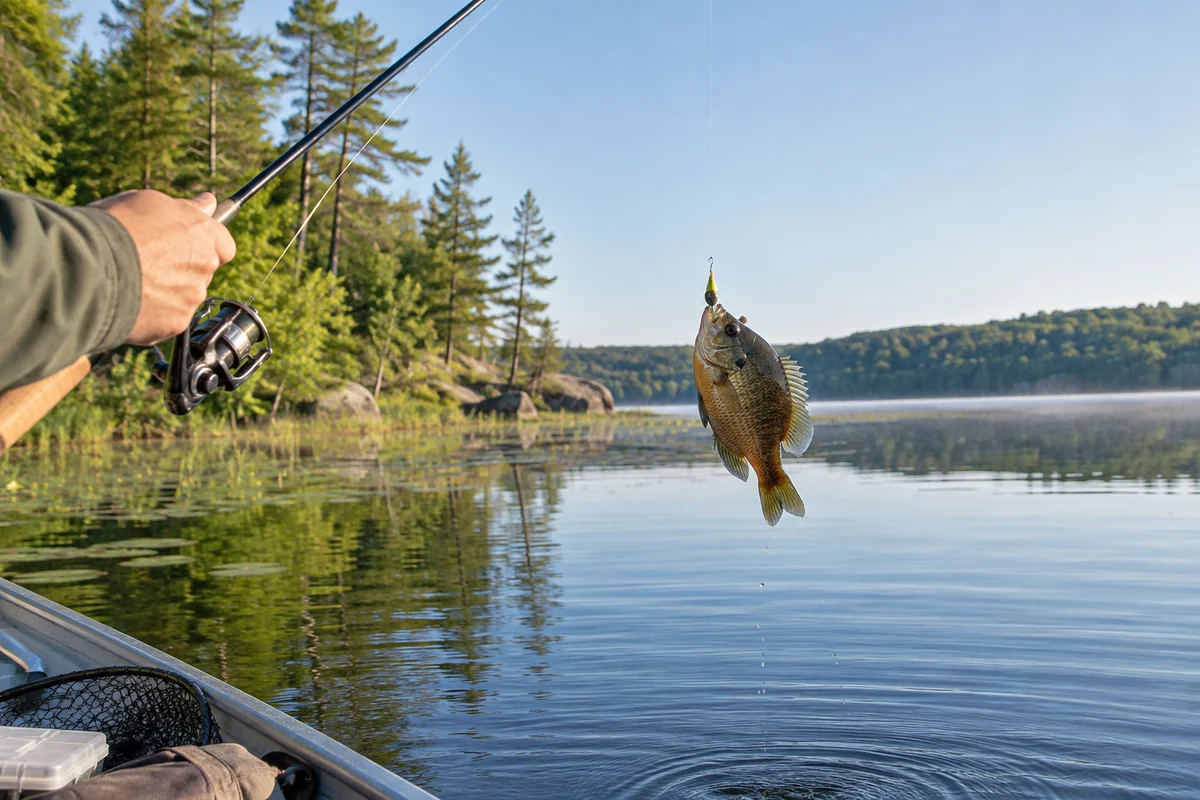
A colorado state record bluegill claim is not established by a photograph, a social-media post, or a fish that looks unusually large. A record is meaningful only when the relevant state authority confirms that the catch meets its current rules and documentation requirements. Anglers can prepare without assuming a record exists: identify the species carefully, preserve reliable measurements, and check Colorado’s official program before submitting anything.
This guide explains how to approach a potential record responsibly. It does not report a new catch or assert a current record weight; rankings and rules can change, and a legacy headline alone is not evidence. For broader panfish techniques and seasonal ideas, explore more outdoor coverage.
What does “state record” actually mean?
A state record is an officially recognized catch under a particular authority’s rules. It is different from a fish described as the biggest someone has seen, a local tournament result, or a measurement shared without supporting documents. The governing program defines which species and categories qualify, what evidence is required, and how a catch must be weighed or witnessed.
Before treating a report as a record, find the current Colorado record-fish information through the state wildlife agency. Check whether the program distinguishes line-caught fish from other categories, whether it maintains separate lists, and whether a potential replacement must exceed an existing entry by a specified amount. Never infer those details from another state’s process.
The phrase “record bluegill” also needs a species check. Bluegill are a sunfish, but several sunfish species and hybrids can look similar, especially to an angler seeing a large fish in unfamiliar water. If identification is uncertain, ask a qualified fisheries professional or follow the agency’s submission directions rather than choosing a species based on size or appearance alone.
How can you verify a Colorado claim?
Start with the official Colorado Parks and Wildlife (CPW) record-fish information, not a repost, old article, forum thread, or search snippet. Look for the date the list or rules were updated and confirm that the record entry is for bluegill—not a different sunfish or a combined category. If an official page does not make a requirement clear, contact the agency before relying on an assumption.
Keep four questions separate:
- Was the fish identified correctly? A species determination may require details beyond a casual photo.
- Was the weight officially documented? The rules may specify the scale, certification, witnesses, or other evidence accepted.
- Was the catch eligible? Method, location, license, and category rules can matter.
- Was it accepted by the authority? A claim remains unverified until the responsible program recognizes it.
A newspaper clipping or dated post may help locate the history of a claim, but it does not substitute for current official confirmation. Likewise, an old page title that says a record “fell” is not proof of the fish’s weight, catch date, angler, or present standing.
What should an angler document at the water?
If you think a fish could be exceptional, prioritize its welfare and the applicable rules. Do not delay release or keep a fish solely to create better pictures unless retention is lawful and the record program requires the fish to be available for examination. Know the local regulations before fishing, and follow any instructions from the agency about handling, weighing, or submission.
Where a lawful, careful measurement is appropriate, document the scale and its identifying information, the fish’s full profile, distinguishing features, and the catch context. Make clear, unedited photographs in good light; include a scale or reference only if the official instructions call for it. Record the location as precisely as the rules require, but avoid broadcasting sensitive site details while a claim is being reviewed. Keep original files and notes rather than relying only on screenshots or compressed social posts.
Do not round a weight upward, alter an image, or present an estimate as a certified measurement. If a scale’s accuracy or calibration is uncertain, say so. The agency’s directions control what evidence is valid; a well-documented fish is not automatically a record.
Why do identification and measurement matter so much?
A close look at coloration alone can mislead. Sunfish colors vary with habitat, season, stress, and lighting, while hybrids can complicate identification. Photograph the body shape, mouth, fins, and other features visible without causing extra handling. If identification is disputed, preserve the original evidence and ask the state program what it needs to evaluate the fish.
Weight is similarly sensitive to procedure. A fish may lose water or be handled differently between an initial scale reading and official verification. Record the actual reading and the circumstances; do not convert a length into an assumed weight or compare an informal reading with a verified entry as though the methods were identical. The program’s evidence standard—not an angler’s preferred method—determines whether a submission qualifies.
For perspective on how record claims differ from general fishing reports, see this account of a state fishing record crappie. It is a related topic, not evidence about Colorado bluegill or a substitute for checking Colorado’s rules.
How can you pursue larger bluegill without chasing a headline?
Focus on habitat, timing, and low-impact presentation. Bluegill often use shallow vegetation and protected areas when conditions suit them, while larger individuals may hold near the edges of cover or move differently as water temperatures and food availability change. Those patterns are starting points, not guarantees; local conditions and regulations should guide where and when you fish.
Use tackle that lets you detect light bites without forcing an unnecessarily long fight. Small hooks and modest presentations can be effective, but choose gear that is appropriate for the water and fish. Handle fish with wet hands, minimize time out of water, and release them promptly when you do not intend to keep a lawful harvest. Do not target a spawning aggregation in a way that creates avoidable pressure, and follow any area closures or special rules.
If you want to compare a different panfish approach, our guide to how to catch perch with live minnows covers another species and presentation. The same general habits—checking local rules, observing fish behavior, and handling a catch carefully—apply, but species-specific tactics do not transfer perfectly.
What mistakes can undermine a record claim?
The most common problem is treating an unverified report as an official result. Other avoidable errors include confusing species, relying on an uncalibrated scale, omitting required witness or location details, overlooking category rules, and assuming another state’s process applies in Colorado. An old headline can also outlast the underlying evidence or current record list.
Avoid publishing a person’s name, exact location, or claimed weight as fact until the information is confirmed and the person’s privacy has been considered. Do not pressure someone to keep a fish or make a risky trip for the sake of a possible record. A responsible report describes what is known, identifies what remains uncertain, and points readers to the state authority for the current answer.
A careful way to check the record
Use CPW’s current record information as the final reference, read the submission rules before acting, and ask the agency about unclear requirements. A documented catch may be exciting even if it does not qualify for a record, and a verified record is only as reliable as the evidence and process behind it. Treating the fish well and reporting accurately matter more than turning an unconfirmed claim into a headline.
Frequently asked questions
How do I confirm the current Colorado bluegill record?
Check Colorado Parks and Wildlife’s official record-fish information and verify the species, category, entry details, and current submission rules. Contact CPW if the published information does not answer a specific question.
Does a photograph prove a bluegill is a state record?
No. A photo may support identification or context, but the state program determines what evidence, weighing method, and verification are required. A claim is not official until the authority accepts it.
Should I keep a possible record fish?
Do not assume retention is necessary or appropriate. Follow local regulations and the current record program’s instructions, and prioritize fish welfare. Ask the responsible agency what documentation it accepts before making decisions based on a possible claim.
Sources & further information
Consult these primary sources for current regulations, technical information and local guidance.