How to Catch Perch Live Minnows: A Practical Guide
Live minnows can help you target perch when you match bait size and presentation to the fish and conditions. This guide covers simple rigs, likely holding areas, bite detection, and responsible bait handling.
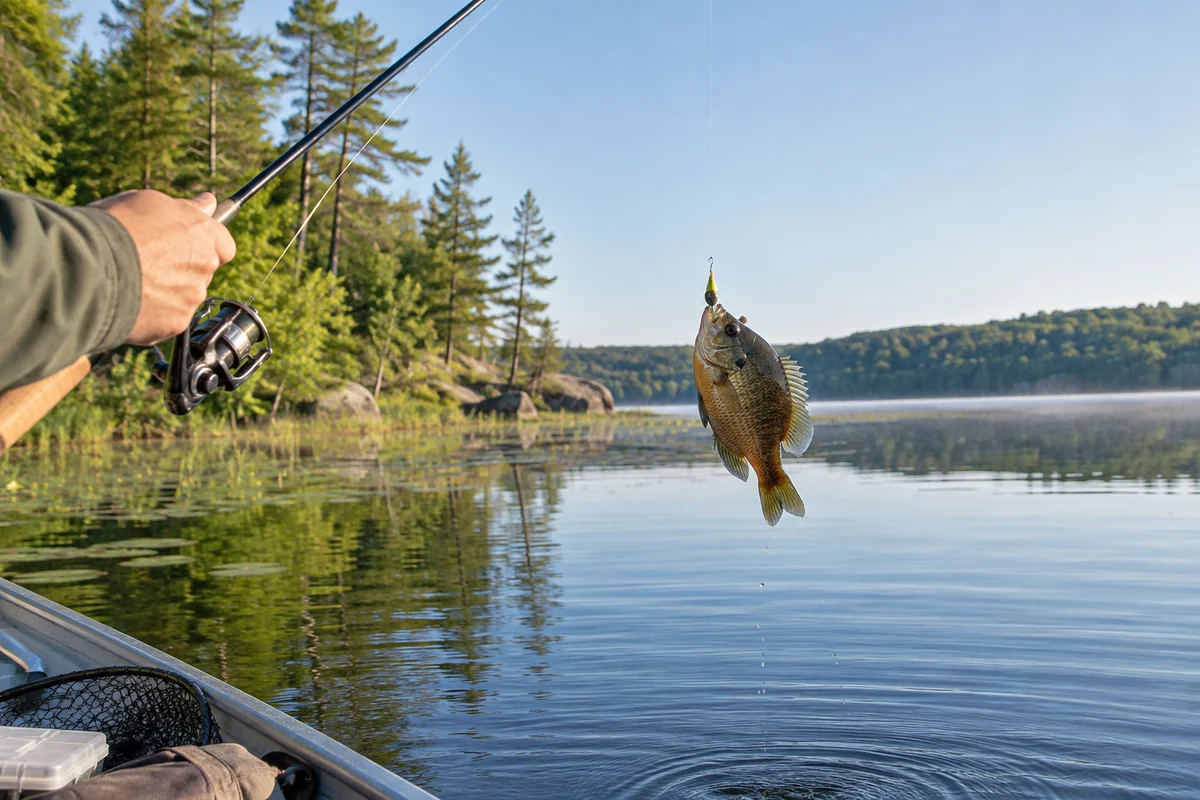
How to catch perch live minnows begins with keeping the bait lively and presenting it where perch are feeding. A simple hook-and-weight rig is often enough: use a small, legal minnow, fish near likely cover or a depth change, and adjust until you find the level where bites occur. Perch behavior varies by waterbody and season, so treat these steps as a starting point rather than a guaranteed formula. Before fishing, check local rules for bait species, transport, and use; regulations can differ even between nearby waters.
Where should you look for perch?
Start by thinking about food and nearby cover. Perch often use edges where shallow feeding areas meet deeper water, as well as weedlines, submerged vegetation, docks, rock, and other structure. In a lake, work a gradual drop-off or the outer edge of weeds. In a river or stream, look for slower pockets beside current, deeper runs, or sheltered edges. These are search areas, not promises: water clarity, temperature, forage, and fishing pressure all affect where fish hold.
If you have a depth finder, use it to map depth changes and identify likely structure; it does not need to show fish for the information to help. Without electronics, move methodically along a bank or shoreline and try a few depths rather than casting repeatedly to one unproductive spot. Begin near the bottom in deeper water, then raise the bait in small increments. When you get a bite, note the depth and distance from cover, and repeat that presentation before moving.
For broader panfish approaches, browse the freshwater panfish fishing hub. If you fish in Florida, this overview of panfish fishing tips from Florida Fish and Wildlife offers regional context; apply local regulations and conditions to your own water.
What tackle works for live minnows?
Use a light, balanced rod and reel that lets you notice a subtle tap while still controlling a fish around weeds or other cover. A light line is often easier to cast with a small bait, but select line strength for the cover, water clarity, and fish you may encounter. A small float can suspend a minnow at a chosen depth and make movement easier to see. In deeper water or wind, a compact sinker can help keep the bait in place. Keep the setup simple enough that the minnow can move naturally.
Choose a small hook appropriate to the bait and the fishery’s rules. The hook should be exposed enough to catch a fish, not buried in the minnow. A plain hook and a small split shot may be all you need; a slip-float setup can help when you want to change depth quickly. Avoid adding weight or hardware that overwhelms the bait. If you are fishing through weeds, position the hook and float so the minnow can swim beside the vegetation rather than repeatedly snagging in it.
A useful comparison is how other panfish anglers keep presentations small and controlled. The top crappie baits guide can help you think through bait size and presentation, though perch preferences and local conditions are not identical.
How do you hook and present a live minnow?
Use a lively minnow from a permitted source and handle it gently with wet hands. A common approach is to pass the hook lightly through the skin near the back, avoiding the backbone and vital area so the bait can swim. Another option is hooking through the lip when the bait will be cast or held in current. Hooking methods affect how freely a minnow moves and how securely it stays attached; choose a method that suits your rig and avoid repeatedly re-baiting with injured minnows.
Lower or cast the rig quietly toward the target, then let it settle. With a float, watch for it to dip, slide, or stop moving naturally. Without a float, keep only enough line tension to sense contact; a tight line can restrict the bait, while excessive slack hides light bites. Make small adjustments in depth and position rather than constantly twitching the rig. If the minnow is swimming naturally and the rig is near a likely feeding lane, patience is useful—but move on if the area gives no sign of life.
When a bite occurs, avoid an immediate, hard strike that could pull the bait away. Reel in slack and lift smoothly once you feel steady resistance or see the float remain down. The right timing depends on your hook, float, and how the fish takes the bait, so pay attention to what happens and adjust. Keep the rod controlled, guide the fish away from snags, and use a landing net when needed.
How can you find the right depth and retrieve?
Search in a pattern. Begin at one depth, make several deliberate presentations, then change either depth or position—not both at once. This makes it easier to identify what prompted a bite. If fish are near the bottom, keep the minnow just above it rather than dragging it through mud or rocks. If you see activity higher in the water, raise the float or shorten the distance to the hook. A minnow that repeatedly catches vegetation or touches bottom is a signal to adjust the rig.
For a stationary presentation, let the bait work naturally and reposition it occasionally. For a slow search, cast and retrieve at a crawl, pausing now and then. The goal is not to make the bait dart aggressively but to cover water while keeping it in a plausible feeding zone. In current, cast upstream or across the flow and let the rig drift naturally, keeping enough contact to detect a take without pulling the bait unnaturally fast.
A float is especially helpful when you are learning a new spot because it makes depth changes and bites visible. In cold conditions, a slower, more controlled presentation may be worth trying. For related cold-water panfish ideas, see winter jig rigs for crappie; the specific rig differs, but the general lesson is to make deliberate depth and movement adjustments.
What should you change when bites stop?
First inspect the minnow and hook. Replace a dead or badly damaged bait, clear weeds from the hook, and check that the line has not wrapped around the float or weight. Then change one variable: raise or lower the bait, move closer to the weed edge, or shift to another depth contour. A small move can matter when fish are concentrated along a narrow band of cover.
If you get bites but miss fish, check whether the hook is exposed and whether the bait is too large for the hook gap. Consider waiting for steady weight rather than striking at every twitch. If the float moves sideways, pauses, or submerges, respond smoothly and keep tension as you bring the fish in. If there are no bites after a careful depth-and-location search, change areas instead of assuming that more bait or more tackle will solve the problem.
Wind, light, and water conditions can also change how comfortably you can present the bait. In wind, a slightly heavier sinker or a sheltered position may improve control, provided the rig still behaves naturally. In clear water, avoid splashing directly over a shallow target. These are practical adjustments, not fixed rules; observe the water and let evidence from bites guide the next change.
How should you handle bait, fish, and local rules?
Check the regulations for the exact water you plan to fish. Rules may cover which baitfish are allowed, whether live bait can be transported between waters, possession limits, seasons, and how caught fish may be kept or released. Never release unused bait into a lake, river, or drainage system. Keep bait water contained and dispose of it according to local guidance to reduce the risk of moving aquatic organisms or disease.
For official regional information, consult the Minnesota Department of Natural Resources or the Florida Fish and Wildlife Conservation Commission as applicable, and use the agency responsible for your own jurisdiction. When releasing a perch, minimize handling, keep it in the water when practical, and remove the hook carefully. If the fish is deeply hooked or badly injured, follow local guidance on lawful handling rather than improvising.
The most reliable approach is straightforward: find a likely edge or depth change, keep a lively legal minnow at a controlled depth, and adjust one element at a time. With a simple rig and attentive presentation, you can learn where perch are feeding without turning the setup into a complicated project.
Frequently asked questions
What size minnow should I use for perch?
Choose a small minnow that fits the hook and the size of perch you expect. Local bait rules and available legal bait species vary, so check regulations before fishing.
Should I fish live minnows on the bottom or under a float?
Try a float when you want to suspend the bait at a known depth or see bites clearly. Near deeper structure, a light sinker can keep the bait close to the bottom; adjust if it drags or snags.
Can I move leftover live minnows to another lake?
Do not assume that transporting bait between waters is allowed. Check local rules, and never release unused bait into a waterbody.
Sources & further information
Consult these primary sources for current regulations, technical information and local guidance.