How to Verify a State Fishing Record Crappie
A record claim is only as useful as its documentation. Here is how to separate a verified state listing from a rumor and prepare a careful submission.
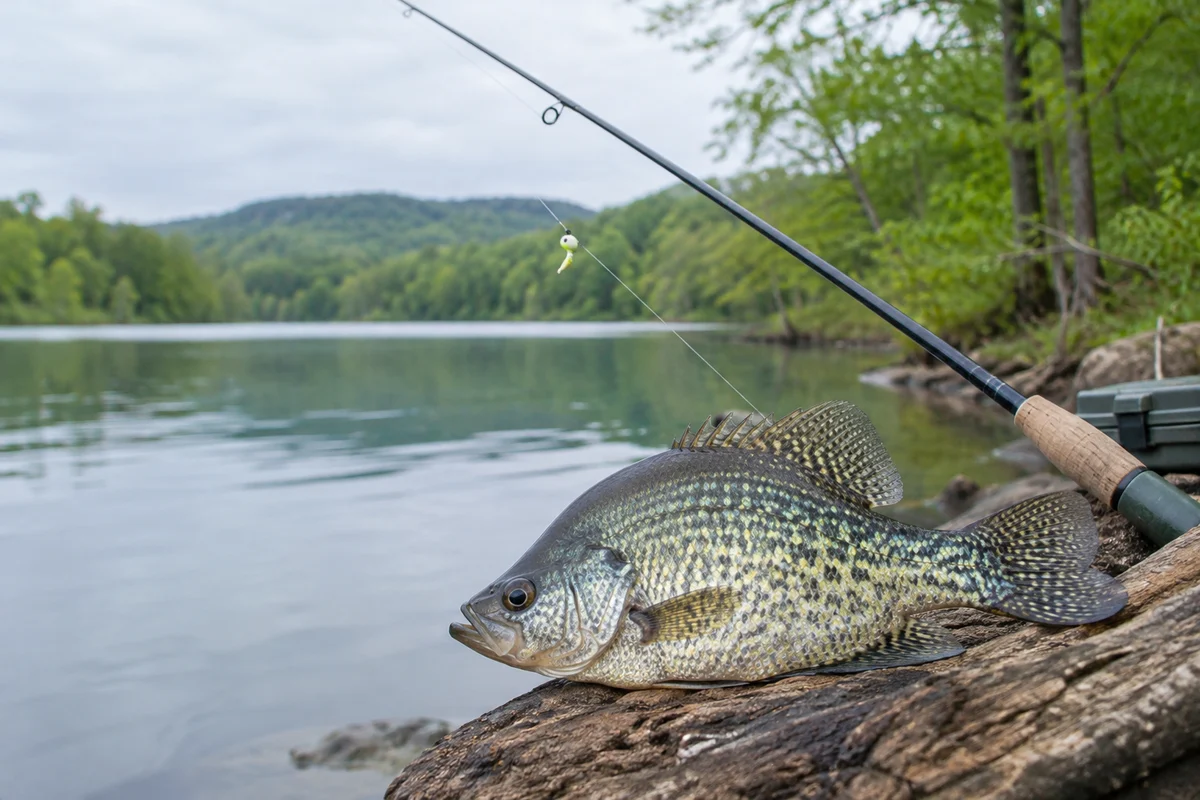
A state fishing record crappie claim can spread quickly, but a headline or social post is not proof that a state record changed. The reliable test is whether the responsible state agency recognizes the fish under its rules and publishes the result. Anglers can evaluate a claim by checking the official record list, confirming the species and category, and understanding what evidence an application requires.
That process matters because “record” can refer to different things: an agency-certified state record, an association listing, a local club award, or an unverified story. Those are not interchangeable. A careful check protects the angler’s credibility and keeps an impressive catch from being confused with a verified record.
What counts as a verified state record?
Start with the state wildlife or fisheries agency. Find its fishing-record page or contact the staff responsible for licensing, fisheries, or record submissions. A listing maintained by the state is the best source for whether a particular fish has been officially recognized by that state. Rules vary, so do not assume a process used in one state applies elsewhere.
An article, forum post, archived headline, or reposted photograph may be a useful lead, but it does not establish a record. Even a fish described as “state-record size” may not have been submitted, accepted, or entered in the relevant category. When an agency page is unclear or not current, ask the agency directly rather than treating the absence of an online update as confirmation either way.
Record organizations may maintain separate lists under their own eligibility standards. For example, the International Game Fish Association describes its own record program; that is distinct from a state agency’s recognition. Name the authority whenever describing a record so readers know exactly what has been verified.
Why species identification and category matter
“Crappie” commonly refers to black crappie and white crappie, but record rules may list species separately. A photo can help with identification, yet an image alone may not settle a disputed or borderline case. Follow the state’s identification and inspection requirements, and avoid assigning a species based only on color, location, or a social caption.
The category matters just as much. A state can maintain records by weight, length, waterbody, method, or another classification—or it may offer only some of these. A fish that qualifies in one category does not automatically set a record in another. Before comparing catches, verify the exact category and whether the state recognizes it.
This is why a sound record report includes more than a large-looking fish. It identifies the species as the agency requires, states the applicable category, and points to the agency’s published rules or confirmed listing. For broader freshwater panfish coverage, explore the related guides as well.
How to check a record claim responsibly
Use a short verification checklist:
- Locate the official state program. Search the relevant agency website for fishing records and read the current application instructions.
- Match the species and category. Confirm whether the claim concerns black or white crappie and whether it is a weight, length, or other record.
- Check the recognition status. Look for an agency-published entry or obtain confirmation from the program administrator. Distinguish “reported,” “pending,” and “certified.”
- Review the rules in effect. Requirements can change. Confirm the agency’s current guidance rather than relying on an old article or a form saved years ago.
- Describe uncertainty plainly. If the agency has not confirmed the claim, call it an unverified report, not a state record.
Do not infer a record’s age, previous holder, or margin of victory from a slug, headline, or repost. Those details require reliable documentation. If the official program does not publish a history, it is better to omit the detail than to fill the gap with guesswork.
What anglers should document after a notable catch
If a fish might qualify, read the state’s instructions immediately. Some programs specify who must witness a weighing, what scale verification is accepted, whether an inspection is required, and how quickly paperwork must be submitted. These rules are state-specific; a generic checklist cannot replace them.
Keep the fish and its handling within applicable regulations and humane practices. Do not delay essential care or make an unsafe trip just to create a photograph. If the fish is retained, keep required licenses and any relevant harvest information available. If it is released, follow the agency’s record rules for release categories, if offered, and prioritize the fish’s welfare.
Photographs are useful supporting documentation, not a substitute for required measurements or official verification. Take clear images that show the fish’s identifying features and the measuring or weighing evidence requested by the program. Avoid altering images in ways that could obscure scale readings or the fish itself. Record the date, waterbody, and circumstances accurately, while respecting local rules and sensitive locations.
Weight, length, and tackle eligibility are different questions
A weight record depends on the state’s accepted weighing procedure and equipment standards. A length record depends on its prescribed measurement method and may have different evidence requirements. Do not compare measurements taken under different rules as if they were equivalent.
Tackle eligibility is another separate issue. Some programs set conditions on how a fish was caught or what equipment was used; others may not. Check the exact rules for the specific record category. If a catch’s method or equipment falls outside the stated requirements, do not assume the application will qualify simply because the fish is large.
For crappie anglers planning their next outing, practical technique is a more dependable focus than chasing a rumor. The guide to winter jig rigs for crappie covers seasonal presentation considerations, while top crappie baits offers another way to think about lure selection. Neither a lure choice nor a reported catch guarantees a particular result.
Common mistakes when discussing records
The most frequent error is repeating a claim without naming its source. “A record fell” is a definitive statement; it should be reserved for a verified update from the authority that maintains that record. A second mistake is mixing state records with association records or a local tournament result. Those systems can all be meaningful, but their rules and recognition are different.
Another mistake is comparing fish by appearance alone. Perspective, camera angle, and the absence of a scale can make photographs misleading. Species identification and official measurement matter more than visual impressions. Finally, avoid describing a pending application as a confirmed record. Use precise labels—reported, submitted, accepted, or listed—only when the facts support them.
A trustworthy record story starts with the source
A useful record report tells readers who recognizes the result, which species and category are involved, and where the official rules or listing can be checked. If those facts are unavailable, explain what remains unverified. This approach is fair to the angler, respectful of state record programs, and more useful than repeating an unsupported claim.
For the angler, the practical next step is simple: find the state agency’s current record instructions before treating any notable crappie as a potential entry. Preserve accurate documentation, follow the program’s process, and let the authority’s decision determine whether the claim becomes an official record.
Frequently asked questions
How can I confirm whether a crappie is a state record?
Check the responsible state wildlife or fisheries agency’s current record list and rules, or contact its record administrator. A news story or social post alone does not confirm official recognition.
Are black and white crappie records usually combined?
Not necessarily. Programs may list black and white crappie separately and may define categories differently. Check the specific state’s current rules before comparing a catch with a listed record.
Does a large fish automatically qualify for a record application?
No. Eligibility can depend on species identification, category, weighing or measuring procedures, witnesses, equipment, and deadlines. Follow the relevant state program’s instructions.
Sources & further information
Consult these primary sources for current regulations, technical information and local guidance.