Redbreast Sunfish Record: How to Verify a State Claim
A “record” is meaningful only when the fish’s identity, measurement method and governing rules are clear. This guide explains how to assess a redbreast sunfish record claim and document a catch for official review.
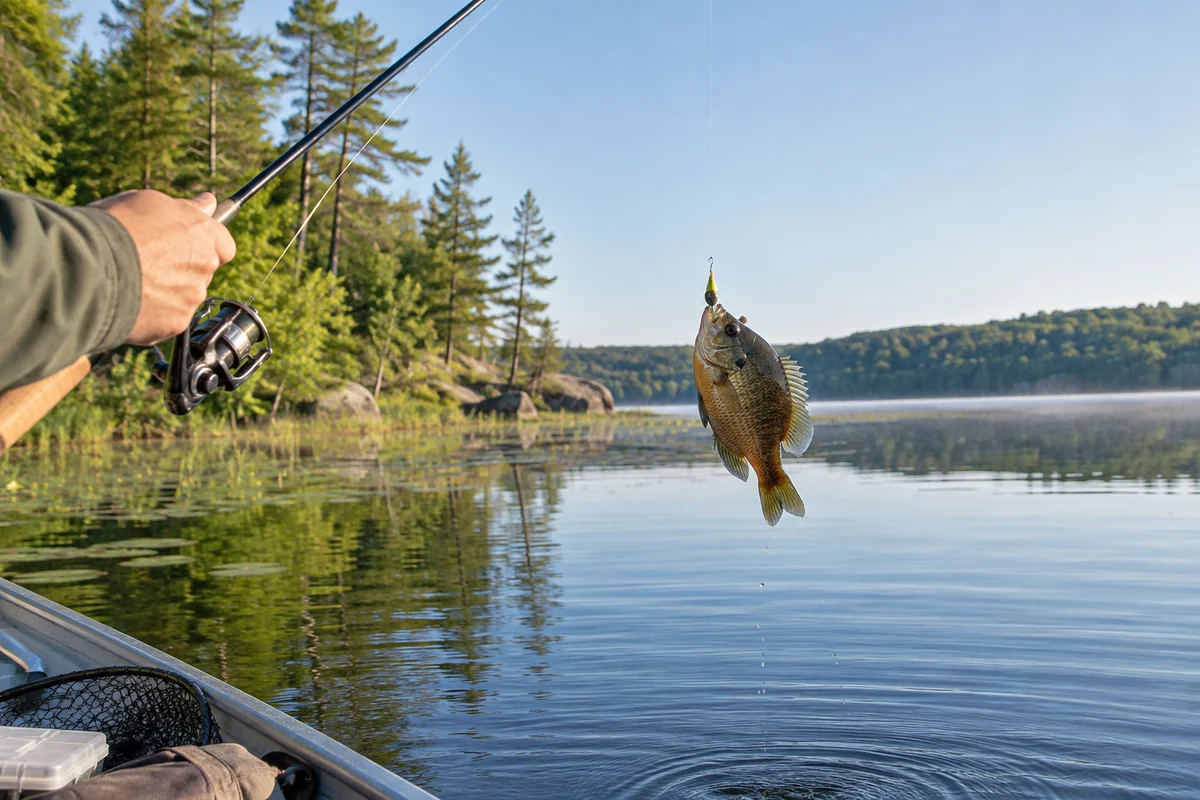
The phrase redbreast sunfish record can refer to a state record, a world-record listing or an informal claim—and those are not interchangeable. A fish’s species must be confirmed, its measurement must meet the relevant authority’s rules, and the claim must be supported by the documentation that authority requires. An old headline or a photograph alone does not establish a current record. The safest approach is to treat any reported claim as unverified until it appears in an official record program, then check the category, date and rules attached to that listing.
Redbreast sunfish (Lepomis auritus) are a distinct sunfish species, but they can be confused with other Lepomis, especially when color is muted or the fish is viewed briefly. Because record categories depend on correct identification, knowing what to check is useful whether you are curious about a reported catch or hoping to submit your own. Anglers interested in other panfish records can also read about the Colorado state record bluegill and the Pennsylvania state record crappie.
What does “redbreast sunfish record” mean?
There is no single record list that automatically governs every claim. A state wildlife or fisheries agency may maintain state records, while the International Game Fish Association (IGFA) maintains world-record categories under its own rules. A newspaper, fishing club or social post may repeat a catch, but that coverage is not the same as acceptance by an official record keeper.
Record programs can also distinguish categories by method or eligibility. Some authorities recognize only certain kinds of catches, while others may have separate rules for line class or other details. The category’s current rules—not assumptions based on another state’s program—determine what evidence and measurements count. Before comparing two claims, identify the authority and category for each, and check whether both were judged under comparable standards.
The IGFA’s official site is a starting point for its record listings and application information. For a state claim, look for the relevant state agency’s current fishing-record page or contact its fisheries staff. The freshwater panfish hub collects more species and technique reading, but official record status must be confirmed with the body that maintains the list.
How can you identify a redbreast sunfish?
Redbreast sunfish identification should rely on a combination of features, not a single vivid patch of color. The species commonly shows reddish or orange tones across the breast and belly, but intensity can vary with the individual, season, habitat and lighting. Its body shape and the pattern around the gill-cover flap can help distinguish it from other sunfish. A dark, relatively elongated flap is one useful clue; markings and coloration should be considered together rather than treated as a guaranteed field test.
Compare the fish with a dependable regional identification guide, and take clear photographs from the side and of the head and gill-cover area if the fish may be a record candidate. Include enough detail to show the whole fish and identifying features, without filters or color adjustments. Where the species remains uncertain, ask the state record program what identification evidence it requires. A hybrid or another sunfish species cannot qualify as a redbreast sunfish simply because it looks similar.
Identification matters beyond records. Species mix and local naming can complicate informal reports, while the fish’s native range and habitat vary by region. The U.S. Fish and Wildlife Service offers general fish and aquatic-species resources; a state agency is usually the more useful source for local identification guidance and record procedures.
Which measurements and evidence matter?
Do not assume that every program uses the same measure or accepts the same proof. Some record categories are based on weight; others may use a different criterion or require particular equipment, witnesses or forms. Check the official instructions before handling a potential record as though one standard applies everywhere. The agency’s current checklist controls, including any rules for scales, certification, photographs, deadlines and submission.
For a possible weight-based claim, preserve the information the record office requests about the scale and weighing process. Photograph the fish and measurement setup clearly, and record the date, waterbody, location details requested by the program, equipment and witnesses while they are fresh in memory. Never alter an image or present an estimate as a certified measurement. If the program requires a specific weighing procedure, follow that procedure; a later recollection may not substitute for required evidence.
Handle the fish carefully and keep applicable fishing, possession and reporting rules in mind. A record attempt does not override local regulations or responsible fish handling. If you are uncertain whether the fish should be retained, released or examined by an official, contact the record authority promptly and follow the applicable rules before taking action.
How do you verify a reported record claim?
Start with the claim’s exact wording. Is it a confirmed state record, an application under review, a personal best, or a catch someone believes may qualify? Then find the official record list and search for the species name and category. If the listing is not updated or the claim is absent, absence alone may not tell you whether an application is pending; ask the responsible agency rather than treating a repost as confirmation.
Check the record entry’s date, category and any notes. A record for a different sunfish species, a different state, or a different eligibility category does not verify a redbreast claim. Likewise, a fish described as “state record size” in a story may be an informal comparison rather than an approved entry. Use the authority’s own terminology and distinguish “reported,” “submitted” and “certified” when discussing a claim.
For an IGFA claim, consult the IGFA’s current record information and category rules. For a state claim, verify it with that state’s fisheries agency. Requirements can change, so an old article or saved form may not reflect the current application process. If the agency confirms a record directly, retain the confirmation or official listing as the reference point for any later discussion.
What should an angler document at the water?
Preparation makes a potential submission more reliable. Before fishing, locate the relevant record program’s latest instructions and note what it requires. Bring a way to capture clear images and, if appropriate for the category, access to equipment that meets the official measurement or weighing requirements. Do not depend on a particular tool or method until the authority confirms it is acceptable.
At the catch, record the details promptly and accurately. Photograph the fish in natural, unaltered images; capture identifying features and the full fish; and document the measurement process as the rules specify. Note the conditions and location at the level requested by the form, and obtain witness information if required. Keep the original image files and any supporting paperwork. Submit only information you can substantiate, and answer follow-up questions from the record office directly.
A careful record file is useful even if the fish does not qualify. It separates a well-documented catch from a rumor and helps the authority assess species, category and measurement. For broader panfish context, see this guide to panfish on Lake Okoboji; its regional fishing focus is separate from official record verification.
How should anglers compare record claims responsibly?
Compare like with like: the same species, governing authority, category and accepted measurement method. Confirm that a listing is official and current before repeating it as a record. When a claim cannot be verified, describe it as an unconfirmed report rather than assigning a holder, weight or date. That restraint is especially important when older headlines circulate without the original application or a link to the record program.
The practical takeaway is simple: identify the fish carefully, consult the current rules before a submission, preserve the required evidence, and verify the final status with the record keeper. Those steps make a redbreast sunfish record claim clearer and fairer to anglers, agencies and anyone comparing catches.
Frequently asked questions
How do I check whether a redbreast sunfish is an official state record?
Find the relevant state fisheries agency’s current record list or contact its fisheries staff. Confirm the species, record category and status directly; media coverage or a social post alone does not establish official acceptance.
Can a photograph prove a redbreast sunfish record?
Photographs can support species identification and document a catch, but they may not satisfy a program’s measurement, weighing, witness or application requirements. Follow the record authority’s current rules.
Are state and IGFA redbreast sunfish records interchangeable?
No. State agencies and IGFA maintain separate programs and may use different categories and evidence requirements. Compare claims only after checking the authority and category for each.
Sources & further information
Consult these primary sources for current regulations, technical information and local guidance.