Tasmanian Giant Freshwater Crayfish: A Field Guide
A practical natural-history guide to the world’s largest freshwater crayfish, its cool Tasmanian habitat, conservation challenges, and responsible ways to learn about it without disturbing wild populations.
The Tasmanian giant freshwater crayfish is a remarkable animal of cool rivers and streams in northern Tasmania. It is known for extraordinary size, but its more useful story is about the clean, shaded waterways it depends on—and how easily habitat disturbance can affect a slow-growing freshwater species. Understanding that context makes this crayfish more than a curiosity: it becomes a reason to pay attention to river health.
This guide explains where it lives, how to recognize its basic natural-history needs, why conservation matters, and how to approach a stream visit responsibly. It is not a collection or handling guide: local rules and conservation protections apply, and observing from the bank is the safest choice for both wildlife and people.
What is the Tasmanian giant freshwater crayfish?
The species, Astacopsis gouldi, is endemic to Tasmania, meaning its natural range is restricted to the island. It is commonly described as the world’s largest freshwater crayfish species. Individual size varies, and popular accounts can blur the distinction between verified measurements and memorable anecdotes, so avoid treating an unreferenced “largest ever” claim as an established record. For verified status and current conservation information, consult Tasmania’s official environment and wildlife authorities.
Like other freshwater crayfish, it has a hard external shell, jointed legs, and prominent claws. Its body is adapted to life on the stream bed, where it can shelter among rocks, woody material, and bankside cover. Color and apparent size can vary with age, habitat, and viewing conditions; a brief glimpse is not enough to identify an individual confidently.
The animal’s large body and slow life history make it especially vulnerable to pressures that might seem minor when considered one stream at a time. A damaged bank, muddied water, or removal of shelter can change the conditions a crayfish needs to feed, hide, and reproduce.
Where does it live, and what makes the habitat suitable?
The crayfish occupies freshwater habitats in northern Tasmania, particularly streams and rivers with cool water, cover, and a stable stream bed. Exact distribution is not a reason to publicize a sensitive site. If you are planning a nature outing, use general regional guidance from official authorities rather than seeking out a precise refuge or trying to locate animals beneath rocks.
A suitable stream is more than water that looks clear. Its condition depends on the catchment above it: vegetation that shades the channel, intact banks, natural flow, and connections between stream sections. Fallen wood and submerged structure can provide shelter. Fine sediment from erosion or poorly managed ground disturbance may settle among stones and reduce the quality of habitat.
For outdoor visitors, the practical implication is straightforward: stay on established access routes, avoid trampling wet banks, and do not move rocks or logs to search for wildlife. What looks like an empty crevice may be an animal’s refuge, and putting cover back does not guarantee that the original conditions have been restored.
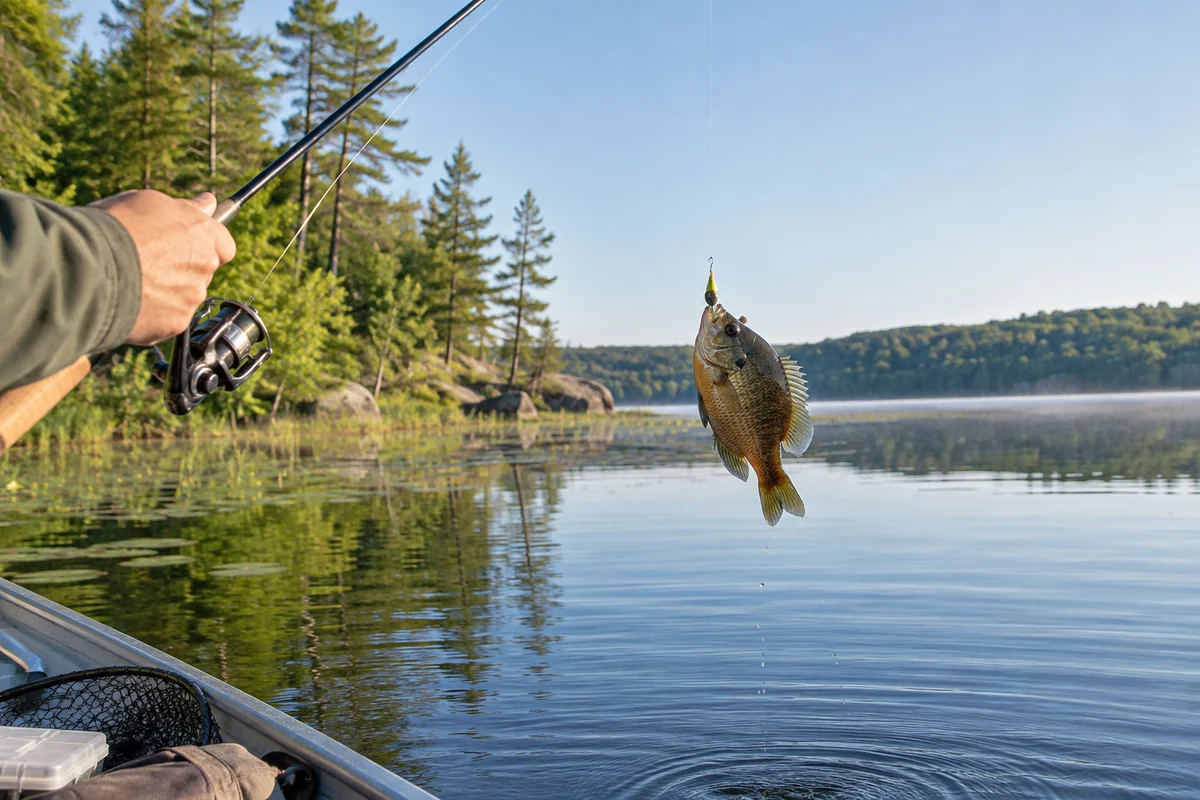
The broader principles overlap with responsible panfish fishing and habitat-aware stream visits. Although panfish are a different group, careful access and respect for aquatic habitat matter across freshwater recreation.
Why is the species vulnerable?
A limited natural range means that local habitat loss can matter disproportionately. Streamside clearing can remove shade and weaken banks; sediment and altered flows can affect the stream bed; and barriers or other changes to waterways may disrupt habitat connections. These pressures can combine, rather than acting in isolation.
Harvest and handling can also create risks. The species is protected under Tasmanian law, and rules can change or differ by location and activity. Do not capture, keep, transport, or handle a crayfish unless you have confirmed current legal requirements with the responsible authority—and for casual wildlife viewing, there is no need to handle it at all. This article is not legal advice.
The life-history lesson is important: a large animal may take many years to reach maturity and may not recover quickly from population losses. Exact biological details should be checked against current scientific or government references, not repeated as a fixed timeline without context. The U.S. Fish and Wildlife Service’s species and habitat resources offer a useful model for how conservation agencies communicate about habitat-dependent wildlife, while Tasmania-specific status and regulations should come from Tasmanian authorities.
How can you observe one without disturbing it?
The best observation may be indirect. Look for a stream setting that appears healthy, learn about the species through a local interpretation program, or use reputable educational material. If wildlife viewing is permitted where you are, keep your distance and leave the watercourse unchanged.
| Situation | Better choice | Avoid |
|---|---|---|
| Walking beside a stream | Stay on durable paths and keep dogs under control where required | Cutting across soft banks or vegetation |
| Curious about a hiding place | Observe from the bank; use binoculars if helpful | Lifting rocks, logs, or bank cover |
| You see a crayfish | Give it space and take a quiet, distant photograph if allowed | Touching, feeding, blocking its route, or moving it |
| Unsure about rules | Check current Tasmanian government guidance before visiting | Assuming rules for another species or region apply |
| You notice a possible injured animal | Record the location without disturbing it and contact the relevant wildlife authority | Taking it home or attempting treatment |
Photography should not become an excuse to enter the channel or repeatedly approach an animal. Flash, noise, and crowding can add disturbance. Keep the location private if sharing a sighting could draw people to a sensitive stretch.
How does it compare with familiar freshwater crayfish?
Many anglers and outdoor readers know crayfish as bait, food, or incidental stream wildlife. The Tasmanian giant is different in both scale and conservation context: it is a native species with a restricted range and specific legal protections. Familiarity with a common freshwater animal does not mean the same handling or harvest assumptions apply.
For a broader freshwater perspective, our guide to Florida panfish fishing tips discusses how fish habitat, regulations, and local conditions shape a responsible outing. And if your interest is in documented catches rather than wildlife observation, see how state fishing records for crappie depend on defined categories and verification. Those topics are not directly comparable to a protected crayfish, but they illustrate why local rules and reliable documentation matter.
What should visitors check before a trip?
Start with current official guidance for access, protected areas, biosecurity, and wildlife rules. Conditions can change after storms, during fire seasons, or when land managers close an area. Follow signs and directions from landholders; do not assume that a public road means the stream bank is open for access.
Clean footwear and equipment between waterways where biosecurity guidance recommends it. This helps reduce the chance of moving organisms, pathogens, or contaminated material from one catchment to another. Take rubbish out, avoid soaps or chemicals near water, and keep food scraps away from the channel.
If you are visiting Tasmania from elsewhere, treat the crayfish as wildlife to learn about, not an attraction to pursue. A quiet walk, a locally guided natural-history experience, or a visit to an educational display can provide context without placing pressure on a wild population. The most useful outcome is leaving the habitat as you found it—or better.
A species worth knowing beyond its size
The Tasmanian giant freshwater crayfish is striking, but its conservation story is rooted in ordinary details: cool water, healthy banks, intact cover, and people who do not disturb what they cannot see. The exact status, distribution, and legal rules belong to current official sources, not guesswork or viral claims. Keep your visit low-impact, protect the stream environment, and let the animal remain wild.
Frequently asked questions
Where is the Tasmanian giant freshwater crayfish found?
It is endemic to Tasmania, with a natural range in the island’s northern freshwater systems. Consult current Tasmanian authorities for reliable range and conservation information rather than seeking precise sensitive sites.
Can visitors catch or handle a Tasmanian giant freshwater crayfish?
Do not catch or handle one. It is protected under Tasmanian law, and current rules should be checked with the responsible Tasmanian authority. Observe from a distance and leave its shelter undisturbed.
What is the best way to help protect its habitat?
Stay on established paths, avoid disturbing rocks and woody cover, keep rubbish and chemicals out of waterways, follow access and biosecurity guidance, and report concerns to the relevant wildlife authority.
Sources & further information
Consult these primary sources for current regulations, technical information and local guidance.