Top Crappie Baits: Three Reliable Choices for Panfish
The best crappie bait depends on where fish are holding and how actively they feed. Learn how to choose among small soft plastics, hair or marabou jigs, and live minnows, then adjust size, color and delivery to conditions.
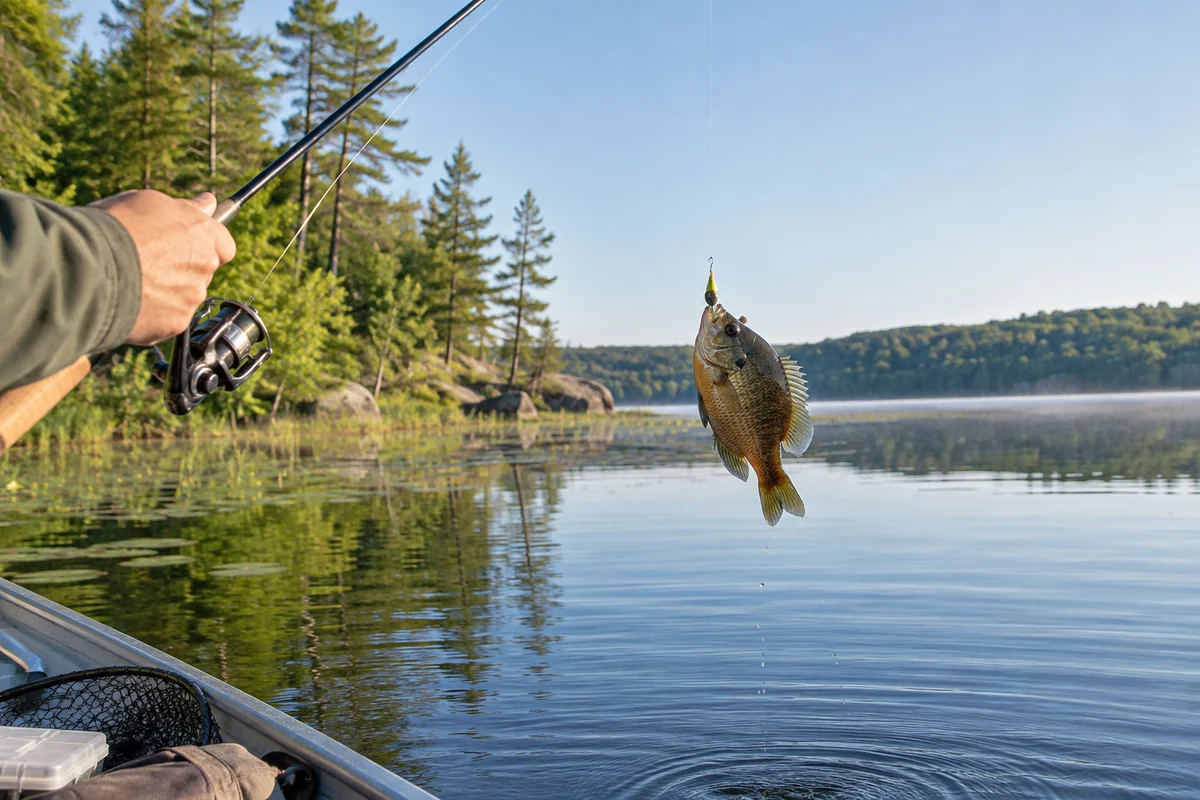
Crappie fishing can change quickly with water temperature, light, depth and forage, so the top crappie baits are less about a single magic lure than a small set of options you can present confidently. A compact soft plastic, a subtle hair jig and a live minnow cover different situations without requiring a crowded tackle box. The useful question is not simply which bait catches fish, but which one you can keep in the strike zone at the pace and depth crappie prefer.
Start with local rules and conditions: seasons, size limits, bait restrictions and waterbody-specific regulations vary. Then make a simple first choice based on fish activity and how you are fishing. If you need broader seasonal ideas, see our panfish fishing tips from Florida Fish and Wildlife, and use the panfish fishing hub for related freshwater topics.
Which three bait styles cover the most situations?
These choices are deliberately broad categories, not a claim that one brand or exact color always wins. Keep a few sizes and colors, and let the fish and conditions guide the adjustment.
| Bait style | Good starting situation | Main strength | Watch for |
|---|---|---|---|
| Small soft-plastic body on a jig | Casting, vertical presentations, or exploring cover | Easy to change shape, size and color | A bulky profile or fast retrieve can be too much in a slow bite |
| Hair or marabou jig | Clearer water, cautious fish, or a slower fall | Soft movement with little added action | It can be harder to detect at a distance; control depth deliberately |
| Live minnow on a permitted hook or jig | Fish are feeding on small baitfish or artificial lures draw little response | Natural movement and scent | Bait rules, handling, storage and hooking method matter |
The table is a starting framework, not a guarantee. Water clarity, forage, cover, fishing pressure and local conditions can override any general pattern.
When should you use a small soft plastic?
A small soft plastic is a versatile search bait. Thread a compact body straight onto a light jig so it tracks cleanly, and check that it sits centered rather than crooked. A straight rig tends to fall and swim more predictably. Keep several profiles—such as a slender minnow shape and a small curly tail—rather than assuming one silhouette fits every lake.
Use a steady, controlled retrieve when fish are scattered or you are locating a productive depth. Near brush, docks or standing timber, cast beyond the target when possible and bring the bait alongside or above the cover. Avoid dragging blindly through branches. If you fish vertically, lower the bait beside cover and hold it at a selected depth; small lifts or a gentle quiver are often easier to control than constant movement.
Change one variable at a time. If bites stop, first revisit depth and speed; then consider a smaller profile or a different color. In clear water, natural, muted shades may look less conspicuous. In stained water or low light, a more visible shade can help fish locate the bait. These are experiments, not fixed rules: light, background and local forage all affect visibility.
When does a hair jig make sense?
Hair and marabou jigs offer a subdued profile that can move with slight rod motion or water movement. They are useful when a fish follows a plastic without committing, or when you want a slower, less busy presentation. A light jig can descend gradually, but wind, current and line choice affect its fall; watch the line and maintain enough contact to detect a subtle take.
Try a measured countdown after casting, then repeat the same count to cover a consistent depth. Near a brush pile, keep the jig above the densest limbs rather than dropping into the center. If the water is clear and fish are wary, a restrained color can be a sensible first test. If visibility is poor, contrast may help. A hair jig is not automatically better in cold weather or clear water; let bites, follows and missed strikes tell you whether to persist.
This method pairs well with the broader approach in our Johnson Crappie Buster overview, which can help you think about compact jig presentations without treating any one lure as universally best. For a different panfish example, our Rebel Bluegill lure guide discusses matching lure presentation to the fish and setting.
When are live minnows the better choice?
A live minnow can be a useful option when crappie are feeding on small fish, when a slow presentation is needed, or when artificial baits are being ignored. Keep the bait lively and present it at the depth where fish are holding. Depending on local rules and your setup, that may mean a float, a light jig or another legal presentation. Do not assume every waterbody permits the same bait species or method.
Handle bait with clean, wet hands when practical, minimize time out of water and avoid moving live bait between waterbodies. Invasive-species rules differ by jurisdiction; check the applicable state agency guidance and follow any requirements for bait transport and disposal. A live bait presentation also demands attention: a float drifting into cover or a minnow swimming below fish wastes time and can snag.
If you are comparing natural bait with artificial options, our perch tips using live minnows provide a related example of keeping a live-bait presentation controlled. The target species differs, so apply the general presentation principles rather than assuming identical tactics.
How should you choose color, size and depth?
Start small enough that the bait resembles available forage and can be presented at a controlled pace. If fish strike short or follow without taking, try a smaller profile, slower movement or a pause. If the bait is difficult to see or you are fishing stained water, test a higher-contrast color. Change only one factor at a time so you can learn from the result.
Depth is often the most important adjustment. Crappie may suspend, hold near cover or shift as light and conditions change. Use electronics where available and appropriate, but verify what you see with actual presentations. Without electronics, count down a jig, vary the depth under a float, or make repeated casts that cover different levels. Record the depth and presentation when you get a bite; a second fish at the same level is more informative than immediately changing everything.
A simple on-the-water decision framework
- Locate fish or likely cover. Look for safe access and avoid disturbing sensitive habitat.
- Begin with a compact soft plastic. Cover water at a steady pace and keep track of depth.
- Slow down if fish follow or refuse. Switch to a hair jig or reduce movement and profile.
- Try a live minnow when legal and appropriate. Keep it at the same productive depth for a fair comparison.
- Repeat what produces a clear response. Note depth, light, water clarity and presentation rather than relying on color alone.
Check hooks and line regularly, especially after fishing around wood or rock. Use barbless hooks where required or where they suit your handling approach, and release fish carefully if you are not keeping them. Follow local harvest limits and avoid retaining fish in excess of your needs.
What are the limits of a “best bait” list?
Crappie behavior varies among waters and through the year. A bait that works in one reservoir may be ineffective in a shallow pond with different forage, visibility or fishing pressure. Exact lure sizes, colors and permitted live-bait practices also depend on context. State fish and wildlife agencies are the right authority for local regulations and conservation guidance; the U.S. Fish and Wildlife Service provides broader information about aquatic resources and stewardship.
The practical advantage of carrying three complementary bait styles is flexibility, not certainty. Choose the simplest presentation you can keep at the right depth, observe how fish respond, and adjust methodically. That process makes any tackle choice more useful than a rigid ranking of supposedly unbeatable lures.
Frequently asked questions
What is a good first bait for crappie?
A small soft plastic on a light jig is a flexible starting point because you can vary its profile, color and depth. If fish follow without striking, slow down or try a subtler hair jig.
Are live minnows always allowed for crappie fishing?
No. Live-bait rules differ by location and may restrict species, transport or use. Check the current regulations for the specific waterbody before fishing.
Should crappie bait color change with water clarity?
It can be a useful adjustment: try natural shades in clearer water and more visible contrast in stained or dim conditions. Test one change at a time because forage and light also matter.
Sources & further information
Consult these primary sources for current regulations, technical information and local guidance.