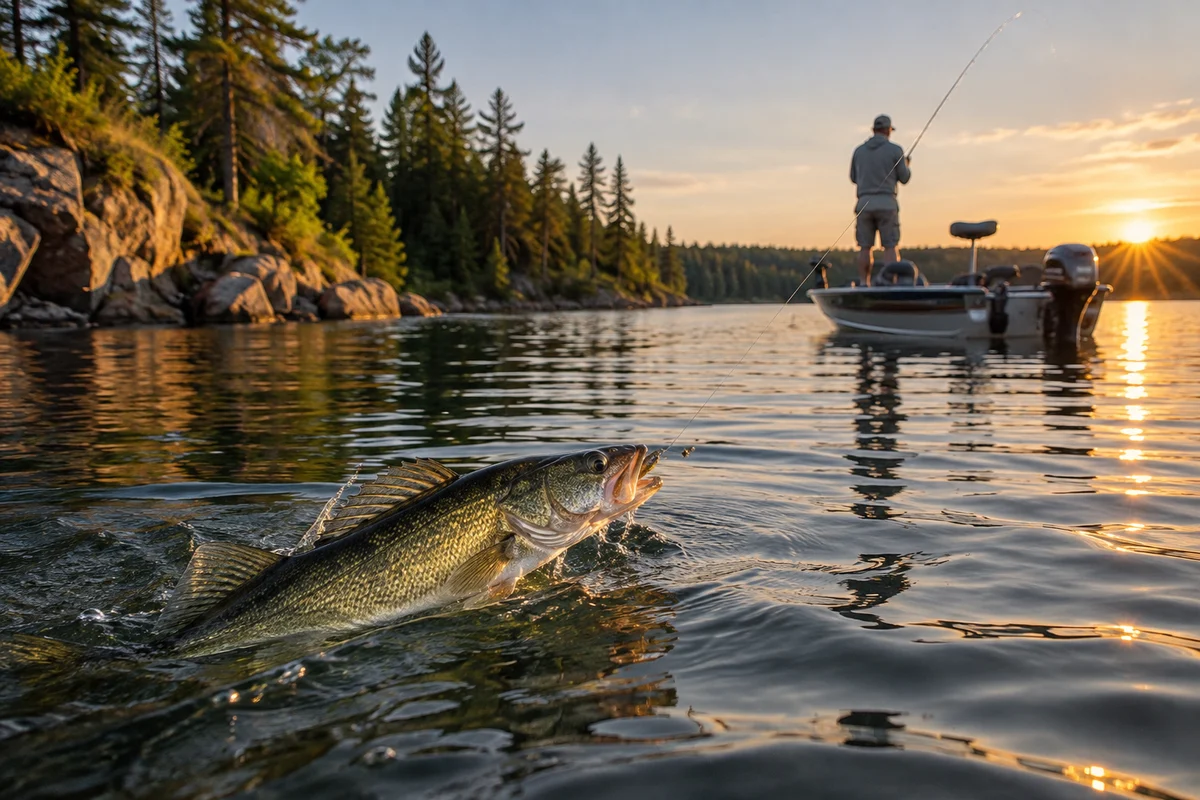
Blackened Walleye Recipe for a Big Green Egg
A straightforward method for blackened walleye on a ceramic grill, with seasoning guidance, temperature cues and ways to avoid dry or overly smoky fish.
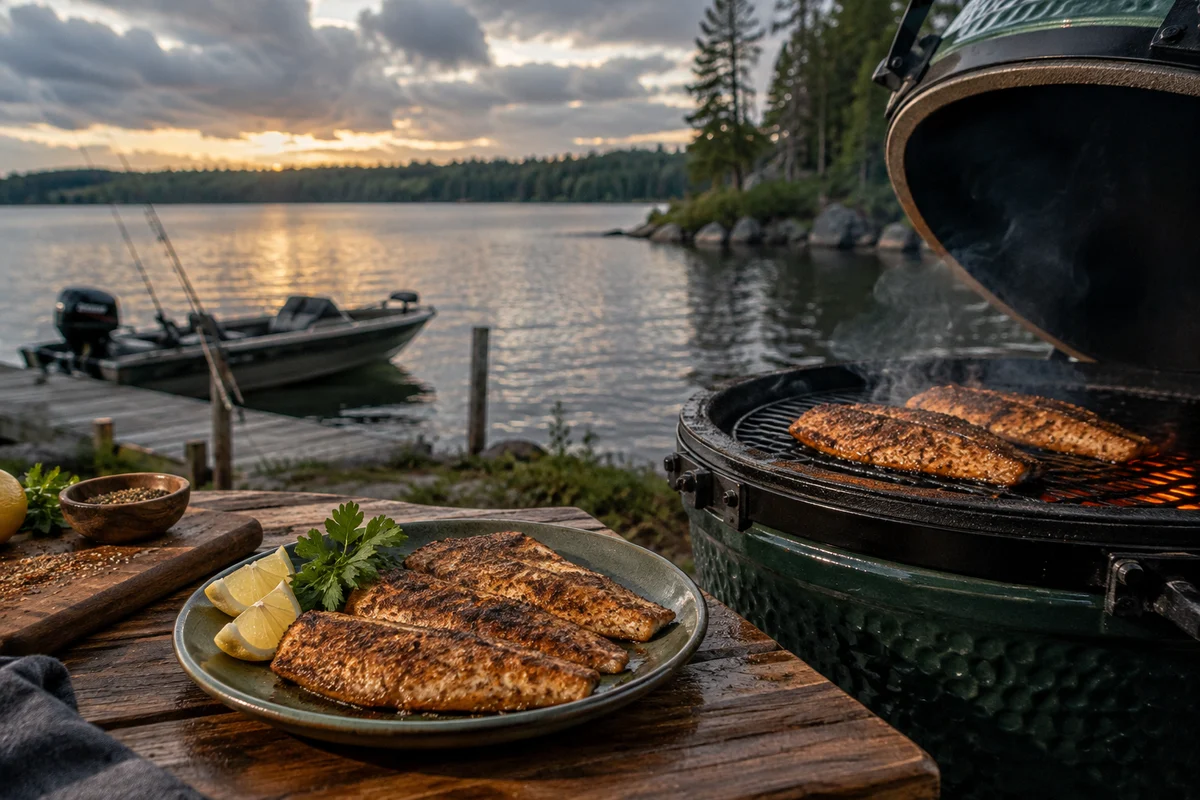
A blackened walleye recipe works best when the fish is dry, the seasoning is bold but balanced, and the cooking surface is thoroughly hot. On a Big Green Egg or another ceramic cooker, a cast-iron pan gives you more control than setting delicate fillets directly over the fire. This method aims for a deeply seasoned crust and moist, fully cooked fish—not a claim about a particular restaurant style or a guaranteed result from every grill.
What makes walleye a good choice for blackening?
Walleye has a mild flavor and relatively lean flesh, so it takes well to a peppery spice blend without needing a long marinade. Its delicacy is also the main challenge: thin fillets can dry out quickly, and pieces of uneven thickness finish at different times. If you have a whole side, portion it into similar-sized pieces and check the thickest part of each one as it cooks.
Fresh or properly thawed frozen fillets both work. Thaw frozen fish safely in the refrigerator, then blot the surface dry with paper towels. Excess moisture steams the fish and can keep the spices from forming a crust. Avoid leaving fish at room temperature while the grill heats; keep it chilled until you are ready to season and cook.
What seasoning should you use?
A useful starting point is paprika, black pepper, garlic powder, onion powder, dried thyme, and a modest amount of cayenne. Add salt to taste, accounting for whether the fish or any accompanying butter is already salted. The exact proportions are flexible: emphasize paprika and black pepper for a rounded crust, or use less cayenne if you want warmth without pronounced heat.
Mix the dry spices in a small bowl. Brush each fillet lightly with a high-heat cooking oil or melted butter, then coat both sides evenly. A thin coating helps seasoning adhere; a thick layer of butter can flare or smoke over intense heat. Keep the fish cold until the cooker and pan are ready. For a different approach to preparing your catch, browse more freshwater walleye coverage.
How do you prepare a Big Green Egg?
Set up the cooker for direct heat and preheat a clean cast-iron skillet on the cooking grate. Follow the cooker manufacturer’s guidance for lighting, vent settings, and safe handling. Use heat-resistant gloves and long-handled tools, and keep children and pets away from the hot cooker. A ceramic grill can retain heat for a long time, so do not touch the dome, metal bands, skillet, or grate with bare hands.
The pan should be hot enough to sear the fish promptly, but not so hot that oil smokes heavily or the spices scorch on contact. There is no single dependable temperature for every cooker, pan, fuel load, or fillet. If the skillet begins smoking aggressively, reduce the heat and allow conditions to settle before adding the fish. Ventilation matters: cook outdoors, away from eaves and enclosed spaces, and follow the grill’s safety instructions.
How do you cook blackened walleye without drying it out?
Lay the seasoned fillets into the hot skillet with a little space between them. They should sizzle; if they do not, the pan may be too cool or crowded. Cook the first side until the underside has browned and the fish releases without force. Turn gently with a thin spatula. Rather than relying on a fixed cooking time, use the fillet’s thickness and doneness cues: the flesh should become opaque and separate readily into flakes.
Check the thickest portion with a food thermometer. The USDA recommends cooking fin fish to 145°F (63°C), measured in the thickest part. Remove each piece when it reaches the safe temperature; thinner portions may finish before thicker ones. Do not keep cooking simply to darken the crust. If the exterior is browning too quickly before the center is done, move the skillet to a cooler part of the grill or lower the cooker’s heat.
Transfer cooked fish to a clean platter, not the plate that held raw fish. Let it rest briefly, then serve with lemon wedges. A small amount of butter can be added after cooking for richness, but it is optional. Keep the seasoning and garnish simple enough that the walleye’s mild flavor still comes through.
Which mistakes are easiest to avoid?
Cooking wet fillets: Moisture prevents good browning. Blot the fish dry immediately before seasoning, and do not rinse it in the sink, where splashes can spread raw juices.
Using too much heat: Blackening should create a browned spice crust, not a bitter, burnt coating. Watch the pan and spices, and adjust the heat if smoke becomes excessive.
Crowding the skillet: Packed fillets release moisture and make turning awkward. Cook in batches if necessary, keeping uncooked portions refrigerated while the first batch cooks.
Treating color as proof of doneness: A dark surface does not establish that the center is safely cooked. Use a thermometer in the thickest part and follow the 145°F guidance.
Handling cooked fish with raw-fish tools: Use clean utensils and a clean serving platter after the raw fillets have been placed in the pan. Wash hands and surfaces that contacted raw seafood.
What can you serve with it?
Pair the fish with grilled vegetables, rice, potatoes, or a crisp slaw. A squeeze of lemon brightens the spice crust; a mild yogurt or herb sauce can cool the heat. If you want to plan a fishing outing around the species, our guide to essential ice fishing lures for walleye covers lure-selection considerations, while blade baits for fall walleye discusses another seasonal approach.
Cooking temperature and grill behavior are not substitutes for local food-safety guidance or manufacturer instructions. For dependable results, keep the fish cold before cooking, use a clean hot pan, monitor the thickest portion, and serve it promptly. The core method is adaptable: a balanced spice coat, controlled sear, and verified doneness matter more than a rigid timer.
Frequently asked questions
Can you cook blackened walleye directly on the grill grate?
You can, but delicate fillets may stick, break, or fall through. A preheated cast-iron skillet makes handling easier and helps contain the seasoning. If using a grate, make sure it is clean and well prepared, and use a fish spatula to turn the fillet carefully.
How can you tell when walleye is done?
Check the thickest portion with a food thermometer and cook fin fish to 145°F (63°C), as USDA guidance recommends. The flesh should also be opaque and flake easily, but appearance alone is less reliable than measuring temperature.
Can frozen walleye be used?
Yes. Thaw it in the refrigerator, then blot it thoroughly dry before seasoning. Do not cook it while partly frozen for this method, because uneven thickness and temperature can make browning and doneness harder to control.
Frequently asked questions
Can you cook blackened walleye directly on the grill grate?
You can, but delicate fillets may stick, break, or fall through. A preheated cast-iron skillet makes handling easier and helps contain the seasoning. If using a grate, prepare it carefully and turn the fillet with a fish spatula.
How can you tell when walleye is done?
Check the thickest portion with a food thermometer and cook fin fish to 145°F (63°C), following USDA guidance. The flesh should also be opaque and flake easily, though appearance alone is less reliable than temperature.
Can frozen walleye be used?
Yes. Thaw it in the refrigerator and blot it thoroughly dry before seasoning. Avoid cooking it partly frozen for this method, since uneven temperature makes browning and doneness harder to control.
Sources & further information
Consult these primary sources for current regulations, technical information and local guidance.