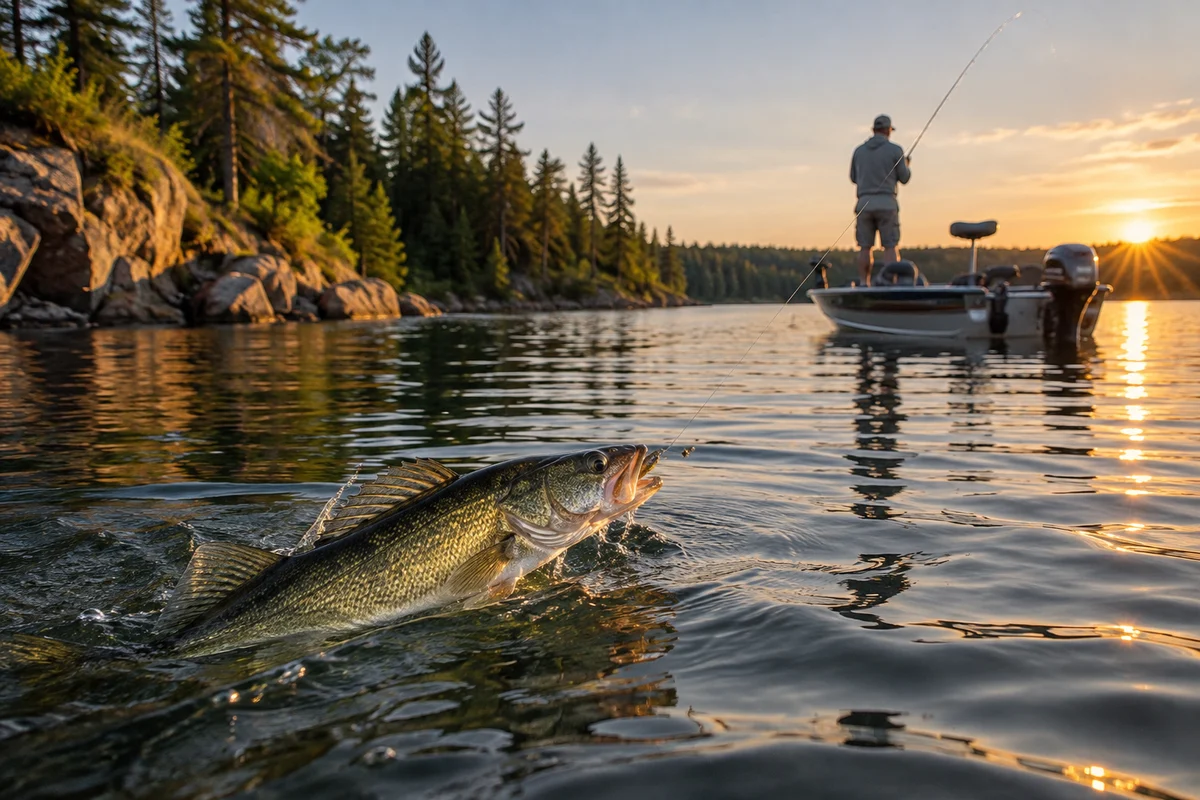
10 Essential Ice Fishing Lures for Walleye: A Practical Guide
A useful walleye ice-fishing box is built around a few distinct actions, sizes, and presentations—not ten near-duplicates. Match lure choice to depth, light, forage, and how actively fish respond.
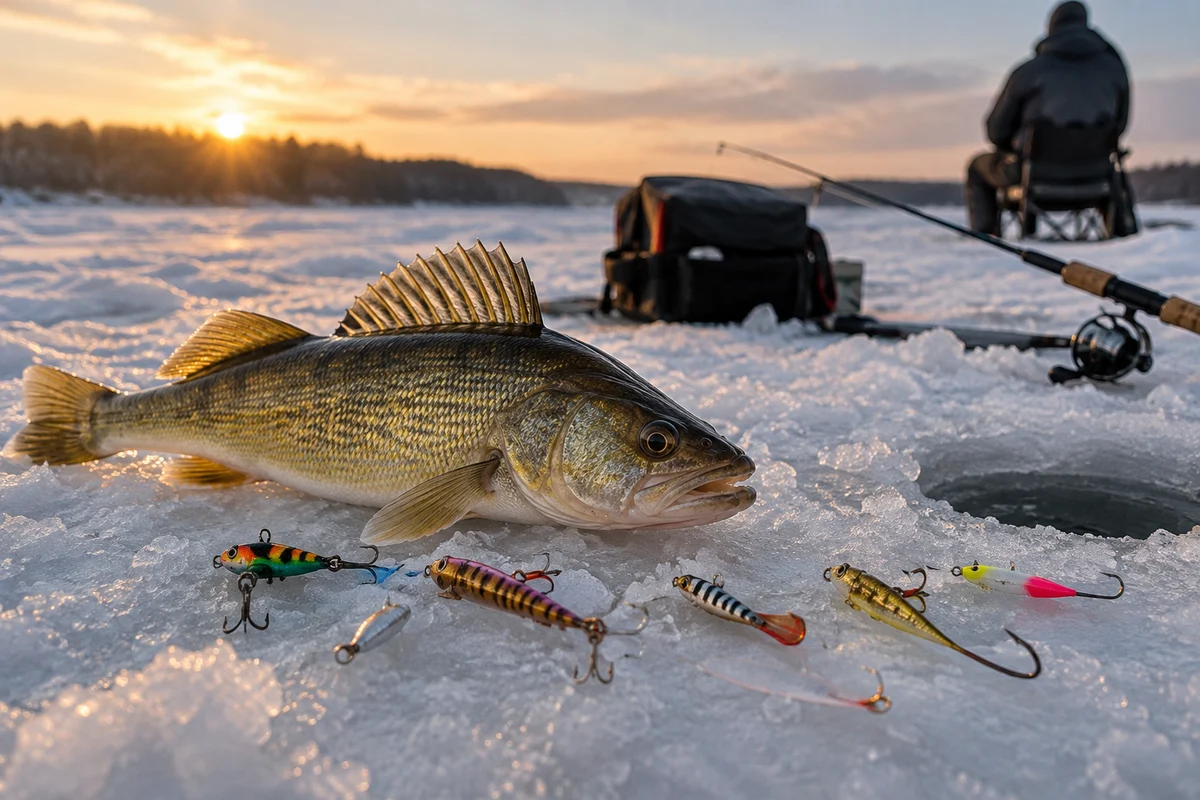
For 10 essential ice fishing lures for walleye, think in terms of jobs rather than a checklist of supposedly magic models. A compact selection should let you search for fish, call them in, imitate local forage, and slow down when walleyes follow without striking. The right choice depends on depth, current, water clarity, local baitfish, and regulations; no lure guarantees a catch. Start with a few proven styles, then adjust one variable at a time.
How to build a useful walleye ice-fishing selection
A lure box becomes more versatile when it covers different profiles and actions. Include compact metal jigs, spoons that flutter or flash, and a hard bait that vibrates or rattles. Carry more than one size and a restrained range of finishes rather than a dozen colors in one pattern. Check hooks and split rings before fishing, and follow local rules on hooks, lines, seasons, and waters.
The ten options below are categories, not a ranking. Many can be fished with a small minnow or other permitted bait where regulations allow. Always verify bait rules for the specific water you plan to fish.
1. A compact jigging spoon
A jigging spoon is a versatile search lure. Its metal body flashes and darts on a lift, then settles with a wobble. Start with a controlled lift and let the spoon fall on a slack or lightly tensioned line. Watch the line and rod tip during the descent; a fish may take as the lure drops.
Use a smaller profile when fish are tentative or forage is small. A heavier spoon can help reach deeper water or manage modest current, but too much weight may make the presentation look abrupt. If the spoon keeps swinging far from the hole, reduce the lift or use a more compact shape.
2. A flutter spoon
Flutter spoons are designed to drift and glide as they fall. They can be useful when fish are suspended or when a slower, more visible descent helps draw attention. Lift smoothly, pause, and follow the lure down rather than snapping it aggressively every time.
A fluttering fall is not automatically better. In current, a broad spoon may wander, and in a crowded area that can complicate line control. If fish approach but turn away, shorten the lift and pause longer, or switch to a tighter-falling lure.
3. A rattling hard bait
A lipless, rattling hard bait can produce vibration and sound that help fish locate it in stained water or at a distance. Begin with subtle lifts and short pauses. A hard bait can be a strong locator, but repeated hard snaps may spook fish or tangle the hooks around the line.
Keep the bait’s action controlled and check that the hooks hang freely. If you mark fish but get no commitment, reduce the cadence or change to a quieter spoon or jig. For a broader look at hard-bait approaches, see this guide to walleye under the ice with rattling baits, flutter spoons, and swim lures.
4. A swimming or gliding bait
A swimming bait sweeps out from the line on a lift and returns as it falls. That wider path can cover the water column and attract attention, but it needs room. Use it where you can keep the lure clear of nearby lines and where the fish are responding to a searching presentation.
Try a moderate lift, then allow the bait to glide back. Avoid forcing a large sweep in a small, busy shelter. If the lure repeatedly catches the line or fish only follow, switch to a more vertical option.
5. A slender minnow-profile spoon
A narrow spoon can suggest a small baitfish and is easy to work with shorter motions. It is a practical choice when walleyes are feeding on slender forage or ignoring a broad, flashy lure. Match the scale to the baitfish you actually see or catch locally rather than assuming one profile fits every lake.
Use a steady cadence first; then add a pause. A common mistake is changing color, size, and motion all at once, leaving no way to tell what mattered. Make one adjustment and give it a reasonable test.
6. A small jig with a soft-plastic tail
A jig paired with a soft plastic gives a compact profile and a subtle tail action. It works well as a slower alternative to a hard lure, especially when fish are close to bottom or reluctant to chase. Keep the jig near the depth where fish appear, with small shakes or gentle lifts.
Soft plastics vary in buoyancy and movement, so observe how the combination behaves in the water before lowering it into a productive hole. Choose a hook and plastic that sit straight; a crooked bait can spin and look unnatural. Dispose of damaged plastics responsibly and keep them out of the water and ice.
7. A bait-tipped jigging spoon
Where lawful, a small piece of bait on a spoon can add scent and give fish a more convincing target. Keep the bait modest so it does not mask the lure’s action or foul its hooks. Some waters restrict bait types or require particular handling, so check current regulations before rigging.
This option is useful when fish inspect a lure closely but do not commit. It is not a substitute for a good presentation: maintain contact, keep the bait fresh, and remove it if it spins or catches on the hook in a way that spoils the action.
8. A vertical jig with a minnow
A simple jig and minnow is a familiar, controlled presentation. It can be held near bottom or raised to suspended fish, and its pace is easy to slow. Hooking method and bait rules vary by jurisdiction; use a legal setup and handle live bait humanely.
Avoid letting the bait sit unattended if that makes it difficult to detect a subtle take. Watch the line, keep the rod balanced, and set the hook with controlled pressure rather than a dramatic swing in a confined shelter.
9. A compact blade-style lure
A blade bait vibrates sharply on the lift and falls with a tight action. Though often associated with open-water fishing, compact versions can serve as an aggressive ice presentation when fish are active. Use short lifts and pause after each one; if the blade’s vibration is too intense, soften the motion or change lure style.
Blade baits can have multiple exposed hooks, so manage them carefully at the hole and around clothing. Anglers comparing seasonal approaches can read about blade baits for fall walleye; the presentation should still be adapted to winter conditions.
10. A subtle horizontal jig
A horizontal jig with a small dressing or bait can offer a quieter, compact look. It is a useful change when fish appear on electronics but refuse a large profile or strong vibration. Keep it in the strike zone and use small movements, with pauses long enough to let fish inspect it.
If the jig constantly rolls, check how it is tied and whether the bait is centered. A stable, natural presentation is generally more useful than adding extra movement simply because the fish have not struck yet.
Match lure action to conditions and fish response
Begin by locating the depth at which fish are appearing, then work a lure through that zone. In low light, a visible profile or modest vibration may help; in clear water or under pressure, a smaller, quieter lure may be more appropriate. These are starting points, not rules. Local forage, water clarity, and fish behavior can outweigh general color advice.
Use a deliberate sequence: search with a spoon or hard bait, observe whether fish follow or rise, and then downsize or slow down if they hesitate. If fish do not appear, change location or depth rather than cycling through every color over an empty hole. A fishing log can help record depth, time, weather, lure category, and response without assuming the same pattern will repeat.
For more freshwater context, explore the walleye fishing hub and its related articles, including this blackened walleye recipe.
Ice safety comes before lure selection
No lure choice compensates for unsafe ice. Thickness is not a universal guarantee: ice can vary over short distances, around current, vegetation, inlets, outlets, springs, and pressure cracks. Check local conditions, use flotation and appropriate safety gear, carry ice picks, and fish with a partner. Do not assume tracks or other anglers prove a route is safe; turn back when conditions are uncertain and follow local advisories.
Keep hooks covered during transport, handle fish carefully, and follow local harvest limits and release guidance. A small, adaptable selection and a cautious plan are more valuable than a crowded tackle box or a risky shortcut.
Frequently asked questions
What is the best first lure for walleye through the ice?
A compact jigging spoon is a practical starting point because it can be worked vertically, produces flash, and reaches fish at different depths. If fish follow but refuse it, try a smaller or quieter presentation.
Should I use rattling lures for ice fishing walleye?
They can help draw attention, particularly when you are searching or visibility is limited, but fish do not always respond to sound and vibration. Start with restrained lifts and switch to a quieter lure if fish approach without striking.
Can I tip every ice-fishing lure with a minnow?
Not necessarily. Bait regulations differ by water and jurisdiction, and adding bait can alter a lure’s action. Check current local rules and keep any baited presentation balanced and controlled.
Sources & further information
Consult these primary sources for current regulations, technical information and local guidance.