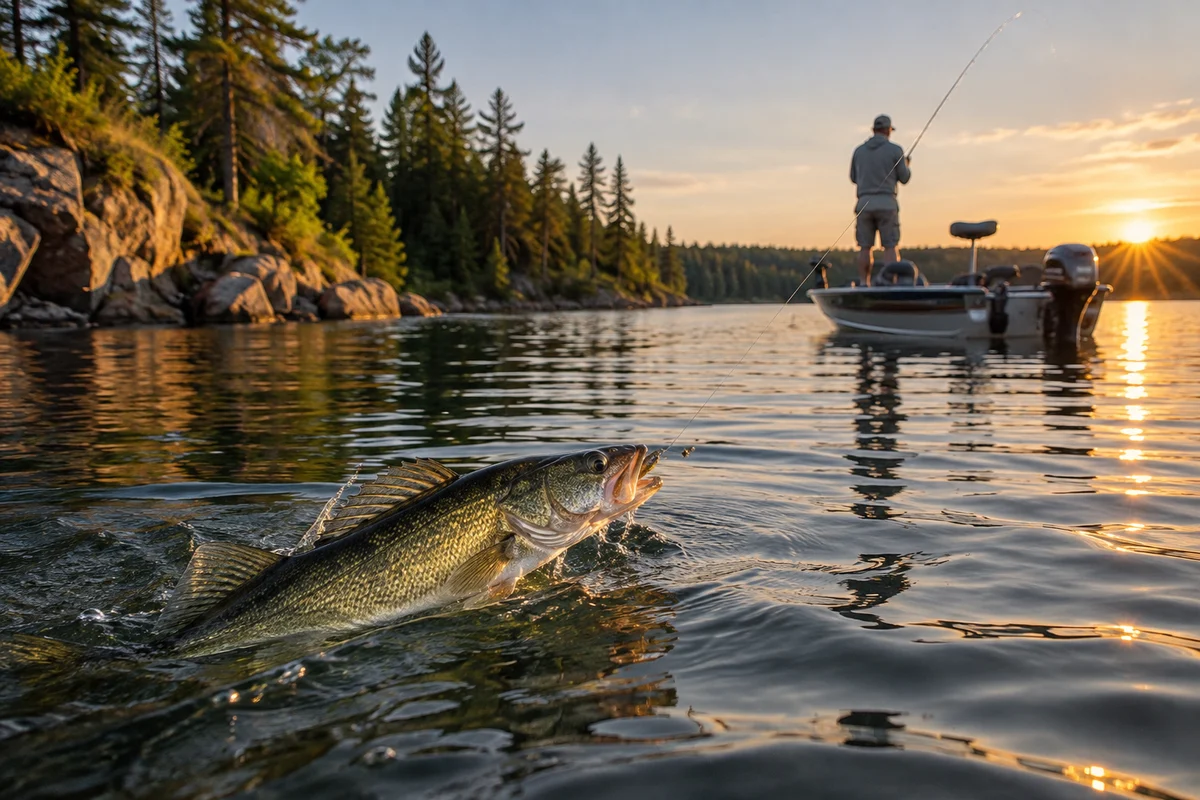
Blade Baits for Fall Walleye: Find and Fish the Bite
Blade baits can cover deep, cool-water structure efficiently when fall walleye are feeding near the bottom. Learn how to choose a starting point and adjust your retrieve to conditions.
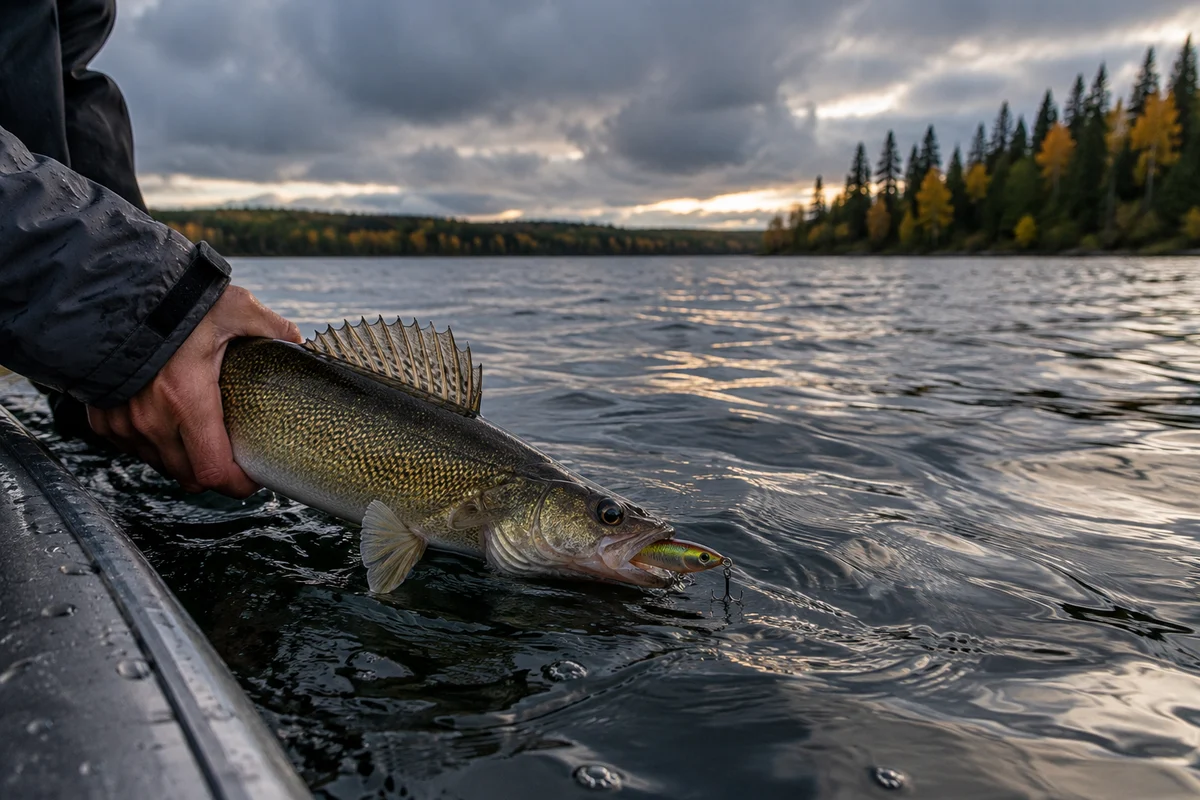
Blade baits for fall walleye offer a compact way to search deep edges, basin transitions, and other structure as water cools. Their tight vibration on the lift and flutter on the drop make them useful when fish are holding close to bottom, but the lure is not a magic answer: location, depth control, and a restrained retrieve matter more than constant motion. Start with a map and local regulations, then let the fish and conditions guide each adjustment.
Why a blade bait can suit fall conditions
A blade bait is a thin, weighted metal lure with attachment points along its back. Pulling it upward makes it vibrate; relaxing the line lets it sink and flutter. That pronounced change in movement can help an angler cover water and present a lure near fish without a long, sweeping crankbait retrieve.
Fall does not make every walleye move to one depth or feed aggressively. Temperature, wind, forage, water clarity, and local lake structure all influence where fish hold. Treat seasonal patterns as a starting hypothesis, not a guarantee. Electronics, a depth map, and careful observation can help identify likely areas, but avoid assuming every mark is a walleye.
A blade bait is especially practical where you can keep it near a defined edge or bottom contour. Rocky points, steep breaks, channel edges, and transitions between hard and soft bottom are reasonable places to investigate when they fit the waterbody. Check your local fishing rules before fishing, including season dates, limits, and any restrictions on tackle or harvest.
Where to look before making a cast
Begin by identifying structure that connects deeper water with a feeding area: a point extending toward a basin, a break beside a flat, or a channel edge near suitable cover. Wind can concentrate bait and make one shoreline or point more productive, but it can also make boat control difficult. If conditions make it hard to stay in control, move to a sheltered location or call the outing.
Use a contour map to narrow the search rather than covering featureless water at random. If you have sonar, look for changes in bottom, bait, and fish marks, then make controlled passes that let you compare depths. A handful of casts at a promising contour can tell you more than repeatedly changing lures without a plan.
If the fish are suspended well above bottom, a bottom-oriented blade presentation may not be the best match. Try to determine the depth they occupy and whether they respond to a lure moving through that zone. When fish are scattered or active, a search bait can help locate them; when contact is scarce, slow down and make fewer, more deliberate presentations.
Choosing a blade bait and tackle
Select a size and weight that let you feel the lure and maintain control at the depth and speed you are fishing. Deeper water, current, or wind may call for more weight; shallow or calm conditions may favor a lighter presentation. There is no single weight that suits every lake. The goal is a clear, repeatable lift-and-fall motion without dragging the lure uncontrollably or making it difficult to detect.
Color is another variable, but keep the first comparison simple. A natural or metallic finish can be a sensible starting point in clear water, while a more visible finish may help in stained water or low light. These are useful experiments, not rules. Change one factor at a time—such as color or weight—so you can tell whether the adjustment made a difference.
Use tackle that balances sensitivity with enough strength to manage the lure and any fish you encounter. Keep knots sound, inspect line for abrasion, and check hooks for damage before fishing. The lure’s exposed hooks can snag weeds, wood, or a net, so choose cleaner lanes when possible and handle fish carefully. If you plan to keep a fish, confirm it meets local regulations before harvest.
A controlled lift-and-fall retrieve
Cast beyond the likely holding area when practical, allow the lure to descend under control, and note how long it takes to reach bottom. Keep enough tension to detect the lure without stopping its fall completely. Once it settles, lift the rod tip a short distance until you feel the blade vibrate, then lower the tip and let the lure fall back. The movement should be compact rather than a hard, high sweep.
Pause after the lure reaches bottom. A bite may occur during the fall or as the lure rests, so watch the line and stay attentive. If the lure catches bottom repeatedly, shorten the lift, adjust your angle, or use a lighter blade. If it never reaches the zone you intend to fish, a heavier option or a different position may help.
Keep the rod movement consistent for several presentations before changing it. Then test a smaller lift, a longer pause, or a slower fall. Cold-water fish may respond to a measured presentation, but the response varies. Avoid snapping so forcefully that the lure shoots far from the target depth, and do not mistake every bump against rock for a fish.
Boat position, casting, and snags
Boat position determines whether the blade tracks through the intended depth. If you are drifting, wind or current can carry the boat faster than the lure can be controlled. Adjust your route, use appropriate boat-control methods, or choose a calmer area. Keep an eye on other anglers and leave room around anchored boats and shore access.
Casting across a break can let the lure pass through several depths, while a cast along a contour keeps it in a narrower band. Either approach can work; compare them deliberately. If you fish from shore, prioritize accessible structure and avoid casting where anglers, swimmers, or boat traffic could be in danger.
When snagged, do not pull the rod violently or wrap line around your hand. Point the rod safely away from people, ease pressure, and try changing the pull angle. If the lure cannot be freed safely, cut the line rather than risking injury. Retrieve discarded line and tackle whenever possible; lost fishing gear can harm wildlife and create hazards.
Common mistakes and useful adjustments
A common mistake is working the lure too aggressively. If each lift sends it far off bottom, reduce the stroke and let it settle. Another is changing several variables at once. Keep a simple mental or written record of depth, location, retrieve, and conditions so you can repeat a productive presentation.
Do not chase every sonar mark or assume a single fish confirms a broad pattern. Recheck the area, compare nearby structure, and stop if weather or light makes travel unsafe. Regulations can change, and rules differ among waters, so consult the relevant state or provincial fishery authority before keeping fish.
For a contrasting approach, see this guide to custom colored Rippin’ Raps for walleye. If you want a slower, boat-oriented presentation, explore drift jigging for walleye. Find more walleye fishing coverage for seasonal tactics and related topics.
Safety and responsible fishing
Dress for cold weather and water, wear a properly fitted personal flotation device, and keep essential safety equipment accessible. Check the forecast and water conditions before launching; a small craft can become vulnerable quickly as wind and waves build. Do not let a promising fishing spot override a safe return plan.
Handle fish with wet hands and minimize time out of water when releasing them. Follow local guidance on harvest and consumption, especially where advisories apply. Pack out line, hooks, and other waste. A productive fall outing should leave the water and its fishery in good condition for the next trip.
Frequently asked questions
Are blade baits only for deep water?
No. They are often useful for probing deeper structure, but the right weight and retrieve can work in shallower areas too. Choose a setup that reaches the target depth without burying in bottom cover.
How should a blade bait move on the retrieve?
A controlled lift should produce vibration, followed by a managed fall toward bottom. Start with modest rod strokes and a pause, then adjust based on depth, snags, and fish response.
What is the best blade-bait color for fall walleye?
There is no universal best color. Water clarity, light, and forage can influence visibility and preference. Begin with a reasonable finish, change one variable at a time, and let local conditions guide the choice.
Sources & further information
Consult these primary sources for current regulations, technical information and local guidance.