Utah Tiger Muskie Record: How to Verify a Claim
A reported record is only as strong as its identification, measurements and paperwork. Here’s how to assess a Utah tiger muskie record claim and what anglers should document before releasing a fish.
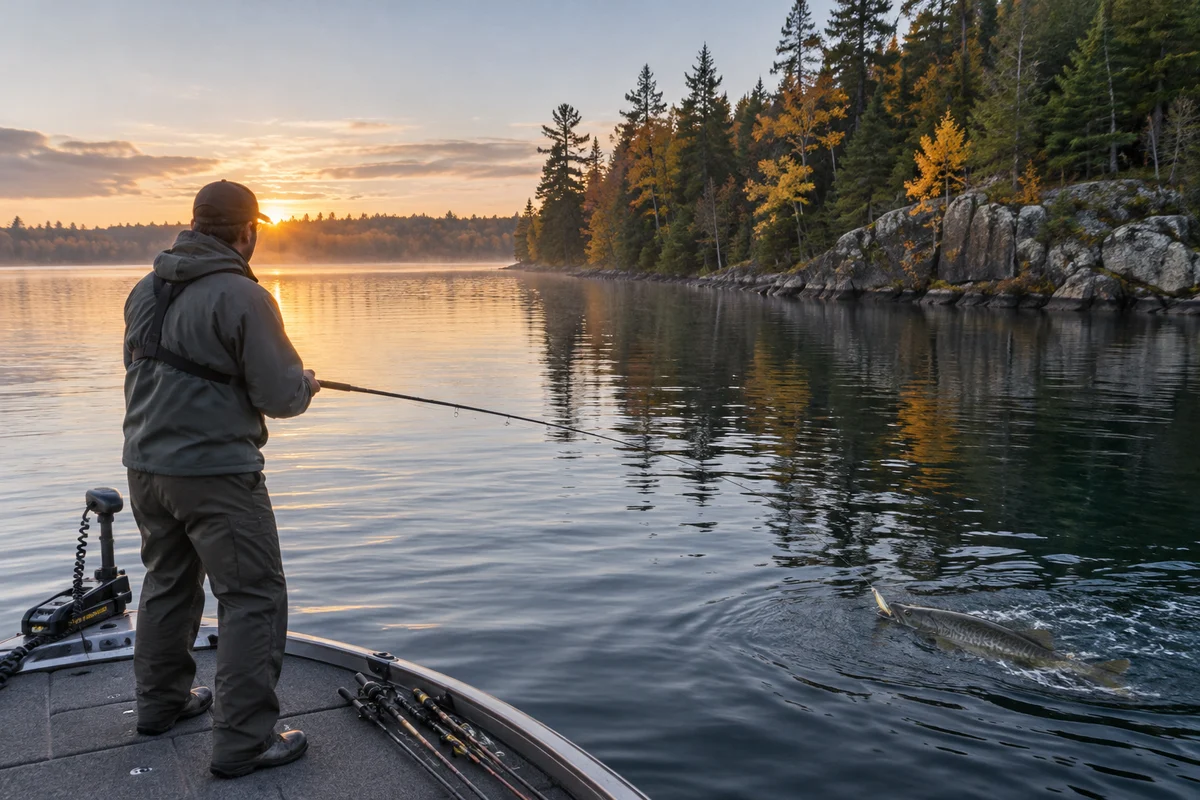
A Utah tiger muskie record claim can sound definitive in a headline, but a memorable catch and an official record are not automatically the same thing. To evaluate any report responsibly, first establish what fish was caught, then identify the record category and the rules of the organization that verifies it. A photo, a reported length, or a dramatic account may be interesting evidence; none alone necessarily settles the question.
Tiger muskies are hybrids of muskellunge and northern pike. Their resemblance to other esocids, combined with the need for careful handling and measurement, makes precise identification and documentation especially important. This guide explains how to assess a Utah tiger muskie record claim without treating an unverified report as an official result.
What does “record” mean in a fishing report?
The word can refer to several different things: a personal best, a local or club achievement, a state record recognized by a wildlife agency, or a record maintained by an independent organization. These are not interchangeable. A fish described as a “record” in an old article may have been a reported catch, a pending application, or a record in a category that is not obvious from the headline.
Before repeating the claim, look for the category and the recordkeeper. Is it a state-certified fish, a catch-and-release length entry, or a claim based on weight? Does the recordkeeper recognize hybrids? What date and waterbody are listed? If the original account does not answer those questions, use careful wording such as “reported as” rather than stating that the catch is an established state record.
A useful starting point is the Utah Division of Wildlife Resources, which publishes state fishing information and can direct anglers to current record categories and submission requirements. Rules can change, so a current agency page or direct agency confirmation is more reliable than an old story copied across websites.
How can you verify a Utah tiger muskie record?
Use a simple evidence check rather than relying on a headline:
| Question | Stronger evidence | What remains uncertain |
|---|---|---|
| Who recognizes it? | A named agency or record organization lists the catch | A news or social post calls it a record without naming a verifier |
| What category applies? | The listing states species or hybrid, method and category | The category is missing or uses a broad common name |
| How was it measured? | The official rules specify a witnessed scale or a documented length procedure | A measurement is reported without method or supporting record |
| Is the fish identifiable? | Clear images and an accepted identification process support the entry | A single angle may not distinguish related esocids confidently |
| Is the claim current? | A dated record listing or confirmation is available | An old report may have been superseded or never finalized |
A record application is not the same as an accepted record. Likewise, a later article repeating an earlier claim is not independent verification. If a primary record listing cannot be found, contact the relevant recordkeeper and ask whether the claim was approved, which category it belongs to, and whether the listing remains current.
Why does identification matter for tiger muskies?
A tiger muskie is a muskellunge–northern pike hybrid, not simply a large northern pike or a muskellunge with unusual markings. Pattern can be suggestive, but appearance varies and photographs can omit useful details. Record adjudicators may require specific images, measurements, witness information, or other documentation under their rules.
If an identification is uncertain, do not present a guess as confirmed taxonomy. Keep the original wording attributed to its source and distinguish “reported as a tiger muskie” from a verified identification. For general background on muskie fishing and related species, explore our muskie fishing hub, tiger muskie record overview, and account of an Illinois state-record tiger muskie. Those links provide context, not proof of a separate Utah record.
What documentation should anglers preserve?
When a fish might qualify for a record, prioritize the official rules and the fish’s welfare. Check the current requirements before fishing if possible: categories may require different evidence, and the agency or organization may specify how to measure, weigh, photograph, witness, or submit a catch.
A practical preparation checklist:
- Save the recordkeeper’s current application instructions and contact details.
- Note the date, location at the level the rules require, and fishing method.
- Have a suitable measuring board or certified scale only if the relevant category calls for it.
- Arrange a witness when required; do not assume a later statement will substitute.
- Take clear, useful photographs promptly, following handling guidance and avoiding unnecessary time out of water.
- Record measurements and equipment details exactly as requested; do not estimate or alter entries.
- Submit paperwork within the stated deadline and keep copies of the confirmation.
Do not delay a safe release to create a more dramatic photograph or to pursue a record application. If you are unsure how to handle a large fish, follow local agency guidance and use appropriate tools and assistance. A fish’s condition and survival matter more than a headline.
What should readers make of the Utah report?
A report about a Utah angler and a 51-inch tiger muskellunge describes a noteworthy claimed catch, but the headline alone does not establish that it was accepted as an official state record. The number is a reported length, not a verified record measurement unless a recognized authority’s documentation confirms the category, method and result. Without such confirmation, avoid adding an unverified weight, exact date, waterbody, or record status.
This distinction is useful beyond Utah. Fishing stories often compress a complicated process into a short headline. Readers can preserve the story’s interest while staying accurate: attribute the claim to its original report, state whether official verification is available, and link to the recordkeeper for the latest status. If no public listing is available, say so rather than inferring approval or rejection.
For broader species and fishing context, our guides to how to fish for pike and muskie fishing in Indiana discuss related fish and angling settings. Local seasons, waters, retention rules and record procedures differ, so readers should check the responsible wildlife agency before planning a trip or interpreting a catch report.
A careful standard for record stories
A credible record story identifies the recordkeeper, category, date, evidence standard and final status. If those details are missing, the most accurate approach is to call the fish a reported catch and explain what remains unconfirmed. That is not a dismissal of the angler’s achievement; it is a clear separation between an exciting report and an adjudicated record.
For the Utah tiger muskie record claim, confirmation should come from the applicable official record listing or direct confirmation from the responsible authority. Until then, the safe conclusion is limited: a 51-inch tiger muskellunge was reported, while the headline by itself does not establish official record status. Verify the source, preserve the uncertainty, and put fish care ahead of paperwork.
Frequently asked questions
Is the reported 51-inch Utah tiger muskie an official state record?
A headline alone cannot establish official status. Check the current Utah record listing or ask the responsible recordkeeper whether the catch was approved and in which category.
How can I tell whether a tiger muskie record claim is verified?
Look for a named recordkeeper, category, dated official listing, and the evidence required by that organization. An application or repeated news report is not necessarily an approved record.
What should I do if I catch a possible record tiger muskie?
Consult the current record rules, protect the fish’s welfare, document only as required, and submit evidence through the official process. Do not delay a safe release for photos or paperwork.
Sources & further information
Consult these primary sources for current regulations, technical information and local guidance.