Muskie Fishing Indiana: A Practical Guide to Finding and Catching Muskies
A useful Indiana muskie trip starts with checking current state information, then matching your approach to the water, season, and fish activity. Use this guide to plan thoughtfully, fish efficiently, and handle a large muskie with care.
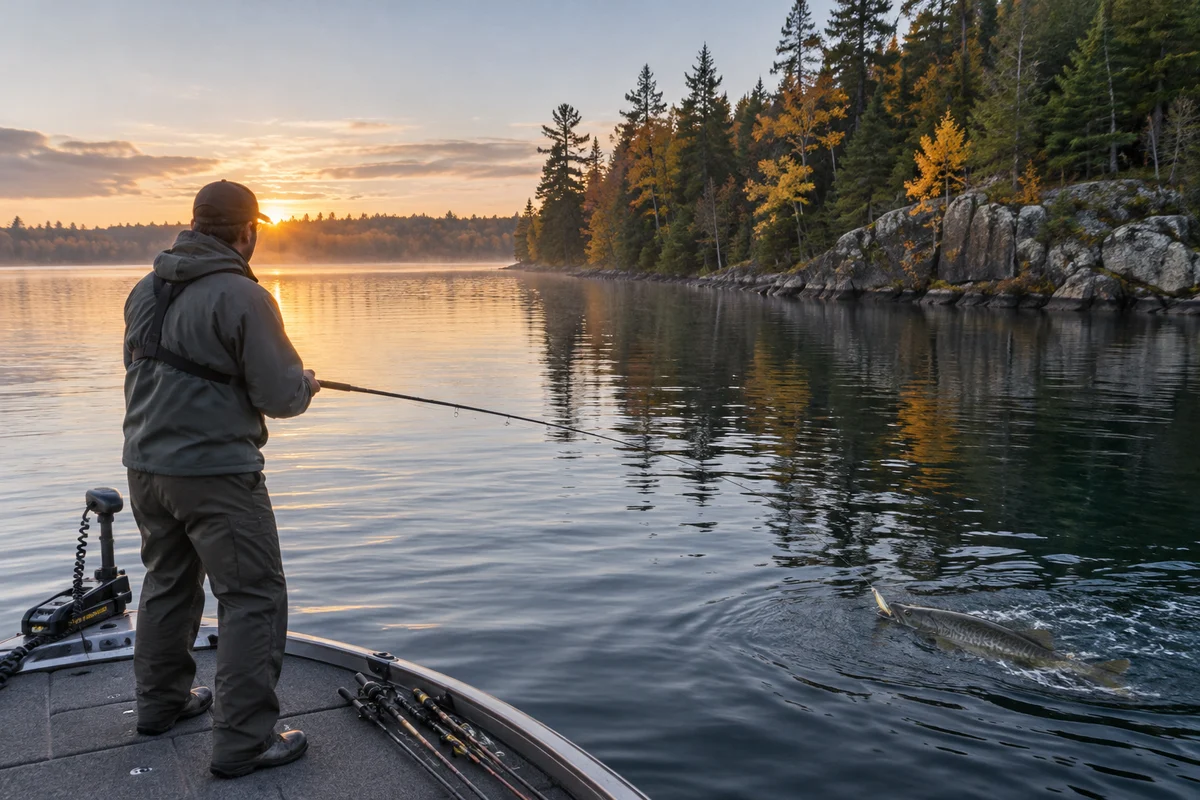
Muskie fishing Indiana can be rewarding, but a productive outing begins with choosing a water that is currently managed for muskellunge—not simply one that looks promising on a map. Indiana waters, regulations, and management information can change, so use current state resources to confirm the destination before you go. From there, focus on structure, seasonal patterns, deliberate presentations, and safe fish handling. These fundamentals help anglers make the most of a day on the water without relying on rumors or outdated reports.
How do you find Indiana waters for muskies?
Start with the Indiana Department of Natural Resources (DNR). Look for current fisheries information, stocking or management updates, and fishing regulations, then verify that the specific lake or river you are considering is included in relevant muskie information. A species being present historically does not guarantee current abundance, and a stocking notice does not promise easy catches. Check access details separately; public access, launch conditions, and site rules can differ from one water to another.
Once you have a candidate, study a map for the kind of varied habitat muskies use: weed edges, points, drop-offs, submerged cover, shoreline turns, and transitions between shallow and deeper water. Treat these as search areas, not guarantees. On an unfamiliar lake, divide it into manageable sections and work likely features methodically rather than covering open water at random.
Ask a local bait shop or fishing club about broad seasonal patterns, but confirm regulations and access through official sources. For background on the fish’s relatives and habitat-oriented approach, see this guide to fishing for pike. The muskie fishing hub also offers related coverage and context.
When is the best time to fish for muskies?
There is no single best month or hour that applies to every Indiana water. Temperature, weather, forage, water clarity, and seasonal fish behavior all influence activity. In warmer periods, low-light windows around dawn, dusk, or changing weather can be worth attention; during bright conditions, shaded edges, deeper breaks, or cover may be more attractive. These are starting points for observation, not fixed rules.
Keep a simple log of date, approximate conditions, water clarity, locations covered, and any follows or strikes. A follow—a fish that tracks a lure without taking it—is useful information even when it does not become a catch. Note where it happened and what the lure was doing. Over time, records from your own trips can show patterns more reliably than trying to apply another lake’s timing to your water.
Plan around seasonal regulations, including any restrictions that may affect when or where you fish. Check current Indiana rules before departure, and do not infer an open season or legal method from an old report, video, or social post.
What tackle and presentation work for muskie fishing?
Muskies are powerful fish, so choose tackle designed for the size of lures and fish you expect to encounter. A balanced rod, reel, line, and leader reduce equipment failures and help you control a fish without extending the fight unnecessarily. Inspect knots, line, leader connections, and terminal tackle before fishing and after contact with a fish or snag. Replace worn components rather than trusting damaged gear.
Large bucktails, jerkbaits, crankbaits, and soft-plastic lures are common categories in muskie fishing. The useful choice depends on depth, cover, water clarity, and the presentation fish respond to; no lure is universally effective. Begin with a search presentation that covers water, then slow down or change depth when you locate a promising feature or see a follow. Keep casts controlled and maintain awareness of other anglers, boats, and shore users.
Finish each retrieve with a controlled turn or figure-eight beside the boat or shore, where visibility and space allow. A fish may follow close without striking farther out. Keep the movement smooth and watch the lure rather than swinging equipment unpredictably. If a follow occurs, note the location and conditions; changing speed, direction, or depth on a later pass may be more useful than immediately abandoning the area.
How should you read a muskie follow or a quiet day?
A follow shows that a fish noticed the presentation, but it does not reveal exactly why the fish declined. The lure may have been too fast, too slow, too high, or simply passing at the wrong angle. Make one deliberate adjustment at a time—such as slowing the retrieve or changing the next cast’s angle—so you can learn from the result. Repeating the same unproductive pass several times is less informative.
If you see no fish, revisit your assumptions. Was the lure running at the depth of the cover? Did wind push bait or surface activity toward a particular bank? Did the light or weather change? A move to a nearby point, weed edge, or depth transition may be more productive than changing every piece of tackle. For a visual example of observing fish behavior, this muskie underwater video feature can complement on-water observation, though video conditions are not a promise of what you will see on a particular trip.
How do you land and release a muskie safely?
Prepare before the first cast. Have a large landing net, long-handled pliers, appropriate hook-cutting tools, and a measuring device within reach. Know where these items are and agree with a fishing partner who will manage the net, camera, or boat. When fishing alone, keep the process simple and avoid handling a large fish in a way that risks injury to you or the fish.
Keep the fish in the water as much as possible. Once it is controlled, work carefully around hooks, keeping hands clear of points and using tools rather than fingers. If a hook is difficult to remove, cutting it may be safer than prolonged handling. Avoid lifting a heavy fish vertically by its jaw or gills. Support its body horizontally if a brief photo or measurement is appropriate, and return it promptly to the water.
Let the fish recover upright in the water, supporting it gently until it can hold itself and swim away strongly. Do not move it back and forth forcefully. If conditions make safe handling difficult—such as heat, rough water, or a deeply hooked fish—prioritize a quick release over a photograph. Check current regulations for any requirements that apply to keeping, measuring, or releasing a catch.
What rules and trip details should you check?
Before leaving, confirm Indiana’s current fishing license requirements, season dates, size or possession rules, special water-specific regulations, and any restrictions on methods or access. Regulations may differ by water and can change. Use official DNR information rather than relying on an old article or a third-party summary. The Indiana DNR’s official site is the starting point for current agency information; verify the exact rule that applies to your destination.
Check weather, water conditions, launch access, and boating requirements as well. Tell someone where you plan to fish, carry appropriate safety equipment, and build enough time into the trip to avoid rushing fish handling at the end of the day. If you are interested in how muskie-related claims are documented, the International Game Fish Association explains its role in maintaining fishing records; record categories and verification are distinct from ordinary fishing regulations.
A focused plan is straightforward: verify the water and rules, select a few habitat features, make controlled presentations, record what you observe, and prepare for a quick release. That approach makes muskie fishing Indiana trips more informed, whether the day ends with a catch, a follow, or a better understanding of the water.
Frequently asked questions
Are muskies found in Indiana?
Indiana has fisheries information and management resources for muskellunge, but confirm current state information for the specific water you plan to fish. Past presence or stocking does not guarantee current abundance.
What is a good time of day for muskie fishing in Indiana?
Dawn, dusk, and changing light or weather can be useful periods to try, but conditions vary by water and season. Track your observations and check current regulations before planning around a particular season.
What should I bring for releasing a muskie?
Prepare a large landing net, long-handled pliers, suitable hook-cutting tools, and a measuring device. Keep the fish in the water when possible, minimize handling, and follow current Indiana regulations.
Sources & further information
Consult these primary sources for current regulations, technical information and local guidance.