Tiger Muskie Record: How Records Are Verified
A practical guide to understanding tiger muskie record claims—from identifying the hybrid to documenting a catch and checking the right record authority. Learn why measurements and category rules matter as much as a headline number.
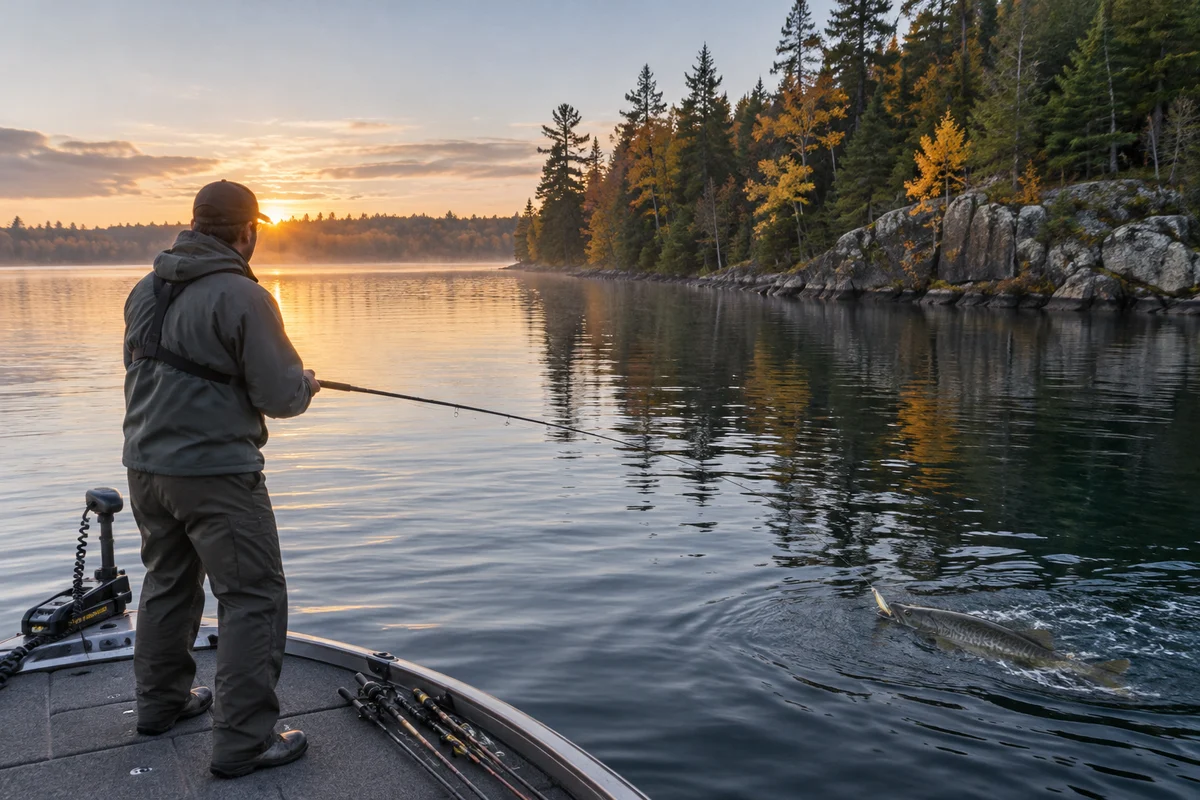
A tiger muskie record claim is more than a large fish and a memorable photograph. Tiger muskellunge are hybrids of northern pike and muskellunge, and a credible record depends on identifying the fish correctly, documenting its measurements, and matching the catch to a specific record category. Those details matter because a state listing, an organization’s world record, and an angler’s personal best are not interchangeable.
If you encounter a reported giant, first ask what the claim means: Was it an officially certified state record, an entry in an angling organization’s database, or simply a fish described as record-sized? The answer determines what was verified—and what remains uncertain.
What is a tiger muskie?
A tiger muskie, also called a tiger muskellunge, is a cross between a northern pike and a muskellunge. The hybrid commonly has dark, tiger-like markings against a lighter body, but appearance alone is not a complete record verification. Pike, muskellunge, and their hybrid can be confused, especially in a quick photograph or when a fish’s markings are faint.
For that reason, a record claim should state the fish’s recognized species or hybrid category and identify who made that determination. The International Game Fish Association (IGFA) maintains rules and records for its own categories; state wildlife agencies administer their own record programs. A listing in one system does not automatically establish a record in another.
For regional context, our muskie fishing in Indiana guide covers the local fishing subject without treating every large fish as a certified record. You can also explore the muskie fishing hub for related coverage.
What makes a tiger muskie record official?
There is no single universal process for every record. The relevant authority sets the category, eligibility rules, evidence requirements, and submission deadline. Before relying on a number, find the recordkeeper’s current rules and confirm that the entry appears in its official records, not only in a news report or social post.
A useful way to assess a claim is to separate the evidence into four parts:
| Check | What to look for | Why it matters |
|---|---|---|
| Category | State, world, line-class, length-only, or another defined class | Different categories can have different leaders and rules. |
| Identification | Who identified the fish and how the category was assigned | A hybrid must not be assumed from a headline or markings alone. |
| Measurement | Whether weight, length, or both were required and recorded by the stated method | A number without a method is difficult to compare fairly. |
| Verification | Official record listing, application status, and required documentation | A reported catch is not necessarily an approved record. |
An angler may have a remarkable catch even if it was not submitted or did not meet a particular program’s requirements. That does not make the fish or the experience less meaningful; it means the claim should be described accurately. Use phrasing such as “reported as” when formal acceptance is not established.
How should a potential record be documented?
If you are fishing and believe you may have a record-class tiger muskie, prioritize the fish’s welfare and follow the applicable authority’s rules. Record programs can differ, so check requirements in advance when pursuing a record category. Do not assume that a phone photo, a witness, or a measurement taken at the water will satisfy every application.
A sound documentation plan generally includes these steps:
- Identify the applicable record program. Find the official state agency or record organization and read the current rules for species, category, eligible waters, and submission timing.
- Capture clear evidence. If allowed by the rules and safe for the fish, take sharp images that show distinguishing features and the measuring process. Avoid obstructing the fish or delaying its return to the water.
- Use the required measuring method. Follow the authority’s specified scale, measuring board, witness, and calibration requirements. Do not estimate from a person’s arms, a boat seat, or an unmarked surface.
- Keep supporting information. Note the date, waterbody, location details requested by the program, tackle or line-class information if relevant, and names of witnesses. Protect personal information when sharing publicly.
- Submit promptly and retain originals. Preserve original images and documents, then follow the recordkeeper’s instructions. A public post is not a substitute for a complete application.
These steps are a planning framework, not a replacement for the rules of a particular program. Some record systems may require particular witnesses, forms, scales, or other proof. Confirm those requirements before fishing if certification is a goal.
Why can weight and length tell different stories?
Weight is affected by a fish’s condition, season, recent feeding, and how and when it is weighed. Length is often easier to document without keeping a fish, but length-only records are a separate category where offered; they should not be presented as weight records. A photograph can help show scale and condition, yet perspective and camera angle distort apparent size.
A record claim should therefore include the exact measurement and category, not a loose phrase such as “world-record muskie.” If a report gives only a length, do not infer a weight. If it gives a weight without explaining the scale or verification, report it as an unverified claim until the recordkeeper confirms acceptance.
For practical fishing background, our article on how to fish for pike discusses the related northern pike fishery. Pike and tiger muskies are not the same category, so techniques or catch descriptions should not blur their identities.
Where can anglers check record claims?
Start with the organization named in the claim. For a state record, use the state wildlife or natural-resources agency’s official record page or contact its fisheries staff. For an IGFA claim, consult the IGFA’s official records and rules. If the report names neither, treat it as a reported catch rather than an established record until a primary source can be found.
A helpful verification sequence is:
- Search the agency or organization’s own record database, not just search snippets.
- Match the species wording and category exactly.
- Check whether the entry is current and approved, rather than pending or historical.
- Compare the reported date, water, and measurement with the official listing when those details are public.
- If details conflict, ask the recordkeeper for clarification instead of choosing the most dramatic version.
Our related Illinois state record tiger muskie article is a place to examine a state-specific claim; for any current status, rely on the responsible Illinois authority’s published information. Historic reporting may not reflect a later rule change or updated record list.
Respect the fish and the rules
Record ambitions should never override safe handling, fishing regulations, or conservation guidance. Regulations differ by jurisdiction and may address seasons, waters, harvest, and handling. Check the responsible agency before fishing, and use appropriate tackle and handling practices to reduce unnecessary stress. If a fish is intended for release, keep it in the water as much as possible and avoid extending the process for photographs or paperwork.
The most useful record story is precise about what is known. It names the category, distinguishes an official certification from a report, and points readers to the authority that can verify it. That standard protects anglers from repeating an inflated claim and gives genuine record holders credit on the terms they actually met.
Frequently asked questions
Is a tiger muskie the same as a northern pike?
No. A tiger muskie is a pike-family hybrid, generally produced by crossing a northern pike and a muskellunge. Record categories distinguish among these fish.
Does a reported giant automatically become a state record?
No. A state record must meet that state’s current eligibility and documentation requirements and be accepted by the responsible authority. A news report alone does not establish certification.
Can a length-only catch be called a weight record?
No. Length and weight are different measurements and may belong to separate categories. Describe the documented measurement precisely and verify the category with the recordkeeper.
Sources & further information
Consult these primary sources for current regulations, technical information and local guidance.