Shore Fishing with Flying C: A Practical Retrieve Guide
A Flying C can cover shoreline water efficiently when you match its depth and speed to current, structure, and the fish’s likely position. This guide explains casting angles, retrieve adjustments, tackle choices, and practical ways to read each follow or strike.
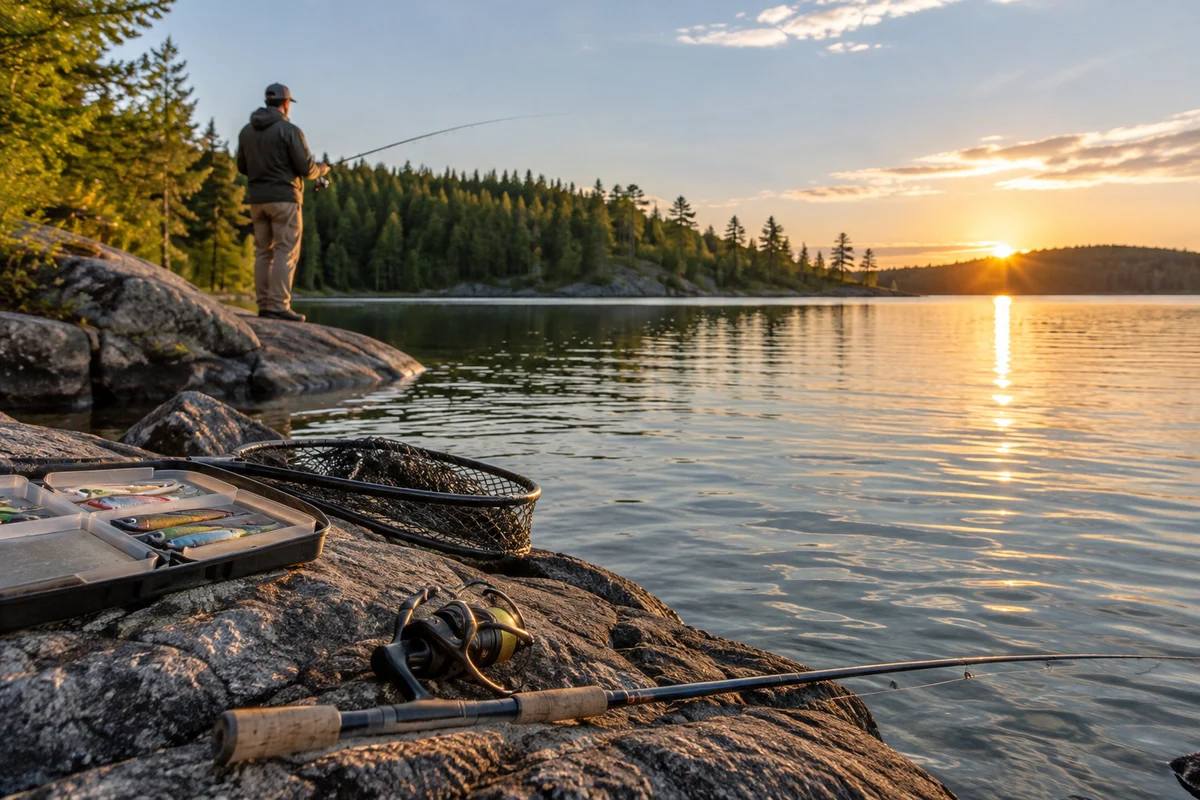
A Mepps Flying C can be a useful search lure for shore fishing with Flying C because a cast-and-retrieve presentation lets you work water from the bank without a boat. The key is not a single magic retrieve: control how quickly the spinner moves, how deep it runs, and how its path crosses current or shoreline cover. Start with the water in front of you, make a deliberate cast, and adjust one factor at a time.
What makes a Flying C useful from shore?
The Flying C is a Mepps spinner. Like other spinners, its moving blade provides flash and vibration as it travels through the water; its weighted construction also makes it practical to cast and retrieve. The exact model, blade, and color details vary, so check the manufacturer's current product information rather than assuming every version is identical.
From shore, a lure that can be cast repeatedly helps you search a stretch, reach a seam or point, and cover water at different angles. It is especially useful when fish may be moving rather than holding in one tiny pocket. It is not automatically right for every fish or condition: weeds can foul a rotating blade, shallow water can leave little room to retrieve, and a fast current may pull the lure out of the zone.
Treat it as a tool for finding active fish, then let the response guide your next cast. The freshwater fishing tips hub has more general approaches to reading and fishing inland water.
Where should you cast from the bank?
Look for changes, not just attractive scenery. Points, the edges of a weed line, a drop-off close to shore, current seams, and the mouths of small inlets can funnel fish or offer a transition between shallow and deeper water. From a safe position, scan for baitfish, surface activity, breaks in the current, and places where the bottom or shoreline changes.
Begin with a fan-shaped search. Make one cast roughly parallel to shore, another at a diagonal, then a longer cast toward open water if the footing and surroundings allow. This covers nearby water before you cast over it, reducing the chance of passing a lure over fish close to the bank. Move a few steps only when you can do so safely and without disturbing the water unnecessarily.
Avoid casting blindly into dense vegetation or snags. A lure that cannot be retrieved cleanly gives little information about whether fish are present. If cover is thick, work the open edge rather than dragging through the middle. For a different freshwater setting, the article on fishing in Voyageurs National Park offers a useful reminder that shoreline structure and access conditions vary widely by waterbody.
How do you control depth and speed?
After the lure lands, begin retrieving at a steady pace that keeps the blade working and the lure clear of the bottom. If you need it deeper, allow a brief, consistent pause before starting or slow the retrieve slightly. If it is contacting weeds or rocks too often, start sooner, retrieve faster, or cast across a shallower angle. Make small changes rather than changing depth, speed, and direction all at once.
Current changes the effective speed. A retrieve against current may need a different pace from one with the flow, while a cross-current cast can carry the lure across a seam. Watch the line and rod tip for a steady pulse that suggests the blade is turning. If that sensation disappears, the lure may have fouled, stopped working, or moved into a different flow. Reel in and check rather than continuing a long, unproductive retrieve.
Keep the lure moving smoothly around likely holding areas. A brief speed-up or pause can be worth trying after several identical casts, but avoid making abrupt movements that pull it out of the target depth. The goal is a controlled presentation, not a frantic one.
Which casting angles help you cover current and shoreline edges?
When fishing a river or stream, a cast slightly upstream or across the flow can let the lure swing through a current seam. Keep enough contact to feel the lure, and retrieve as it moves downstream so it does not simply race past the target. A directly downstream cast can be useful in some spots, but current may reduce blade action or carry the lure into snags before you can respond.
On a lake or reservoir, cast parallel to the bank when fish may be cruising along the edge. Then try a diagonal path that crosses a depth change, weed edge, or point. If wind pushes your line into a bow, adjust your stance or angle where safe; excess slack can make it harder to notice a strike and keep the lure on course.
Use a repeatable sequence: same position, a few different angles, then a measured change in retrieve. If the lure is consistently contacting bottom, shorten the pause or raise the rod tip modestly. If it never reaches the zone you intend to cover, allow a little more time before retrieving. These small adjustments make each cast a useful comparison.
What tackle and line choices make the presentation easier?
Use a rod and reel that can cast the particular Flying C model comfortably and handle the fish and surroundings you expect. There is no universal rod power or line strength for every shore fishery. Check the lure's manufacturer guidance, then consider water clarity, vegetation, snags, and local fish. A rod that is too heavy for the lure may make casting and detecting blade action less comfortable; overly light tackle may be a poor match for strong fish or obstructed water.
A smooth drag and line in sound condition help maintain control through a strike. Before fishing, inspect the line near the lure for abrasion and make sure the connection is secure. A small snap can make changing lures convenient, but any added hardware should suit the lure and not interfere with its movement. If you tie directly, the San Diego jam knot guide describes one common connection; practice it at home and check every knot before casting.
Keep the setup simple. A compact selection of lures, pliers for safe hook removal, and a way to carry line clippings are often more useful on a bank than a crowded tackle box. Rod actions and design can differ; the overview of G. Loomis IMX-Pro bottom-contact rods illustrates why matching rod design to presentation matters, though a bottom-contact rod is not automatically the right choice for spinner fishing.
How should you respond to a follow, strike, or snag?
A fish following without striking is information. Repeat the same path once, then change one variable: retrieve a little slower, alter the cast angle, or move the lure past the fish from another direction. If a fish turns away near the bank, avoid repeatedly dropping the lure directly on it. Give the area a short rest or approach from a different angle if the shoreline permits.
On a strike, keep the line controlled and avoid an exaggerated sweep. Maintain steady pressure and let the reel's drag work rather than trying to overpower the fish, especially near rocks, pilings, or vegetation. Use a landing net when appropriate and within local rules. Handle the fish with wet hands when possible, keep it out of the water only as long as needed, and release it carefully if you are not keeping it.
If the lure stops pulsing or comes back with vegetation, clear it and inspect the hook and line before the next cast. Do not yank hard against a snag from an unstable bank position. Change the angle, ease the line, or break off only when necessary and safely; retrieve discarded tackle whenever possible.
What should you check before fishing?
Fishing regulations, seasons, permitted methods, and access rules depend on the water and jurisdiction. Check the relevant fish and wildlife agency's current rules before going, and confirm that the shoreline is open to public access. A public map or visible path does not by itself establish permission to enter private land. Be especially careful around steep banks, slippery rocks, fast water, and changing weather.
A simple plan keeps the session productive: identify a safe casting area, choose one or two likely travel edges, test a steady retrieve, then adjust depth or angle based on what the lure tells you. Record what worked—such as current direction, cast angle, and whether the lure touched bottom—without assuming the same pattern will repeat under different conditions. Consult the Pennsylvania Fish and Boat Commission or the agency responsible for your destination for regulations and safety guidance. For product-specific details, use the Mepps manufacturer site and verify the exact lure version you have.
Frequently asked questions
Can you fish a Mepps Flying C from a lake shore?
Yes, it can be cast and retrieved from shore. Work parallel and diagonal paths along likely edges, and adjust the retrieve to keep the lure at a useful depth without fouling cover.
How fast should I retrieve a Flying C?
Start with a steady pace that keeps the blade working. Change speed gradually to account for current, depth, and snags; the best pace depends on the water and the fish you are pursuing.
What should I do if the lure keeps catching weeds?
Retrieve sooner after the cast, speed up slightly, or change the casting angle to work the weed edge rather than the thickest growth. Clear and inspect the lure after each fouled cast.
Sources & further information
Consult these primary sources for current regulations, technical information and local guidance.