San Diego Jam Knot: Tie a Secure Fishing Connection
The San Diego jam knot is a useful line-to-hook or line-to-lure connection when you want a compact knot you can inspect and retie at the water. Follow the steps carefully, seat it with steady tension, and test it before fishing.
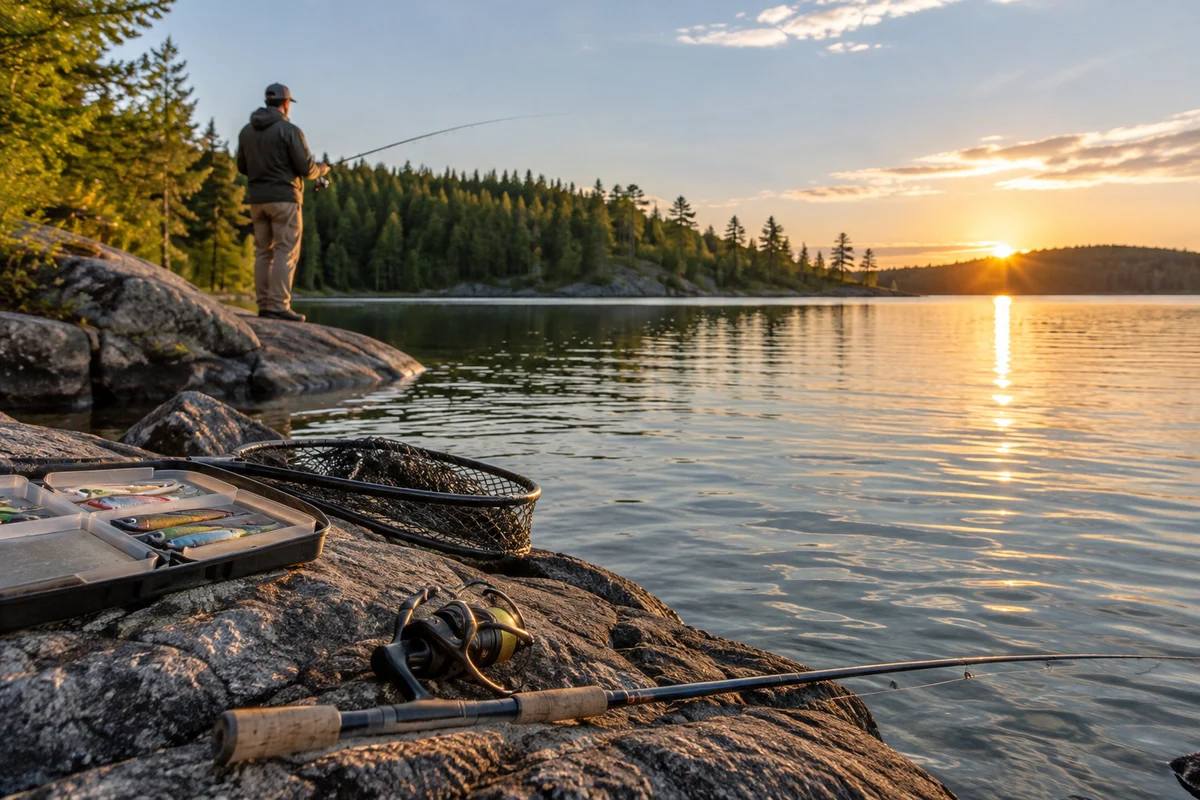
The San Diego jam knot is a practical connection for attaching fishing line to a hook, swivel, or lure. Its sequence of wraps and a doubled-back finish can feel confusing the first time, but the key is to keep the turns orderly and route the tag end through the right openings before tightening. This guide explains the steps, how to seat the knot, and what to check when it slips or looks uneven. Practice with a large eye and a short piece of line before tying it on a small hook.
When is the San Diego jam knot useful?
Use this knot when you need a direct line-to-terminal-tackle connection and can pass the line through the eye comfortably. It can suit many common monofilament and fluorocarbon setups, but no knot is equally reliable with every line diameter, coating, or eye shape. Braided line may call for a knot designed specifically for braid or a connection that matches your tackle; consult the line maker’s guidance and test your chosen knot with the actual line.
The knot is not a substitute for choosing line and tackle appropriate to the fish, cover, and local rules. If you are connecting a lure with a narrow eye or a split ring, make sure the line can move without binding. For more on matching terminal tackle and presentations, browse the freshwater fishing tips hub. When tying to a moving lure, consider whether a fixed knot or a loop knot is appropriate for the lure’s action rather than assuming one connection suits every design.
What should you prepare before tying it?
Use line in good condition, a hook or lure with a smooth, undamaged eye, and enough tag end to handle the wraps. A short tag makes the final threading awkward; leaving extra line at first is easier, and you can trim it after the knot is seated. If the eye has a sharp burr, replace the damaged terminal tackle: a knot cannot protect line from a cutting edge.
Work in good light and keep the line clean. With a small hook, hold it securely with pliers or another safe grip so the point is directed away from your fingers. Do not pull a sharp hook toward your hand while tightening. If you are preparing a lure rig such as an inline spinner for shore fishing, check that the finished connection will clear the lure’s eye and hardware freely.
How do you tie the San Diego jam knot step by step?
- Thread the line through the eye. Pass several inches of tag end through the hook or lure eye. Keep enough line to complete the wraps without stretching the strand taut.
- Double the line back. Bring the tag end back alongside the standing line, leaving a small open loop at the eye. Hold the two parallel sections together so they do not cross.
- Make the wraps. Wind the tag end around the doubled sections in neat, adjacent turns, working away from the eye. About five turns is a useful starting point for many ordinary line sizes; a thinner line may take more, while a thicker or stiffer line may be easier with fewer. Avoid overlapping turns, and follow the line maker’s advice when available.
- Return through the eye-side opening. Bring the tag end back toward the hook and pass it through the small loop nearest the eye. Keep the wraps in place with your fingers rather than letting them loosen.
- Finish through the larger opening. Pass the tag through the larger loop formed by the doubled-back line beside the wraps. This return path locks the wrap sequence. If you cannot clearly see both openings, loosen the knot and start again rather than forcing the tag through a gap between turns.
- Moisten and snug gradually. Wet the knot with clean water, then pull the standing line while guiding the knot toward the eye. Draw the tag end gently as needed to keep the coils together. Tighten in a controlled motion; do not jerk the line or let a loose coil ride over another.
- Inspect and trim. Once the knot is seated, leave a small tag end and trim the excess with line cutters. Avoid cutting flush against the knot, since a little margin helps you see whether the end begins to slip.
The precise appearance can vary with line thickness and hook-eye size. What matters is a tidy set of wraps, the correct return through the eye-side and larger openings, and a knot that cinches evenly without crossed coils.
How do you seat and test the knot safely?
A knot that looks tied is not necessarily fully seated. Before fishing, hold the hook or lure with pliers or a secure grip, keep the point facing away, and apply a steady pull to the standing line. Do not wrap line around bare fingers; thin line can cut skin under tension. The connection should tighten into a compact shape rather than unravel, slide, or develop a loose coil.
Test the complete setup—not just the knot—because the line, eye, swivel, and any leader connection all affect the system. If the knot creeps, slips, or shows roughened line, cut it off and retie with fresh line. Do not try to rescue a badly seated knot by adding a second knot over it. Anglers comparing lure styles, such as swimbaits and their presentations, should also verify that the connection moves freely and does not interfere with the lure.
What mistakes make the knot unreliable?
- Crossed or stacked wraps: Uneven coils can bind poorly. Keep each turn beside the previous one as you wind.
- Too little tag end: A tiny end is hard to route through the finishing openings. Start with extra and trim only after testing.
- Wrong finishing path: Passing the tag through only one opening, or through a gap between wraps, can leave a knot that appears complete but pulls apart. Recheck the route before tightening.
- Dry, abrupt tightening: Fast, forceful cinching can create friction and damage some line materials. Moisten first and draw the knot down steadily.
- A damaged eye or compromised line: Nicks, abrasion, and kinks weaken the connection regardless of knot choice. Retie with sound line and inspect terminal tackle.
- Skipping the pull test: A quick, controlled test catches many tying errors before the line is in use.
If the knot repeatedly slips with a particular line, change the wrap count within sound tying guidance or choose a knot recommended for that line. Do not assume that adding more wraps always improves performance; excess turns can crowd the knot and make it harder to seat neatly.
How does it compare with other fishing knots?
The best connection depends on the job. A simple clinch-style knot may be faster for some anglers and line types, while a loop knot is useful when a lure needs more freedom of movement. A line-to-line connection requires a different design from a line-to-hook knot. The San Diego jam knot is worth learning as one option, not treating as a universal answer.
Whatever knot you choose, practice until you can tie it consistently, follow the line manufacturer’s recommendations, and test it with the exact materials you plan to use. For official record fishing, line-class requirements and other rules matter as well as the connection itself; check the International Game Fish Association rules and category information before relying on a setup for a record application.
What should you check before casting?
Run through a quick check: the line is undamaged; the eye is smooth; wraps sit neatly; the tag passed through both intended openings; the knot is snug; and a steady pull did not cause slippage. Retie after changing terminal tackle or whenever abrasion, a snag, or a hard fight may have stressed the connection. A few careful seconds at the bank are simpler than discovering a loose knot after a cast.
With practice, the steps become a repeatable routine: thread, double back, wrap, return through the openings, moisten, seat, and test. Keep the knot appropriate to your line and tackle, and trust a fresh, carefully tied connection over one that looks questionable.
Frequently asked questions
How many wraps should I use for a San Diego jam knot?
About five turns is a useful starting point for many ordinary line sizes. Line diameter and stiffness affect how the knot seats, so follow the line maker’s guidance and test the finished connection.
Can I use the San Diego jam knot with braided line?
Knot performance varies by braid construction and diameter. Check the line manufacturer’s recommendations and test a knot tied with your exact line; a braid-specific knot may be a better fit.
Why does my San Diego jam knot slip?
Common causes include a missed finishing loop, crossed or loose wraps, too little tag end, or a line type that does not suit the knot. Cut it off and retie carefully, then apply a steady pull test before fishing.
Sources & further information
Consult these primary sources for current regulations, technical information and local guidance.