Whistler Jigs: How to Fish a Tail-Calling Lure
Whistler jigs pair a jig head with a rotating or vibrating blade to add sound and movement to a compact presentation. Here’s how to evaluate the design and adapt your retrieve to depth, cover, and fish response.
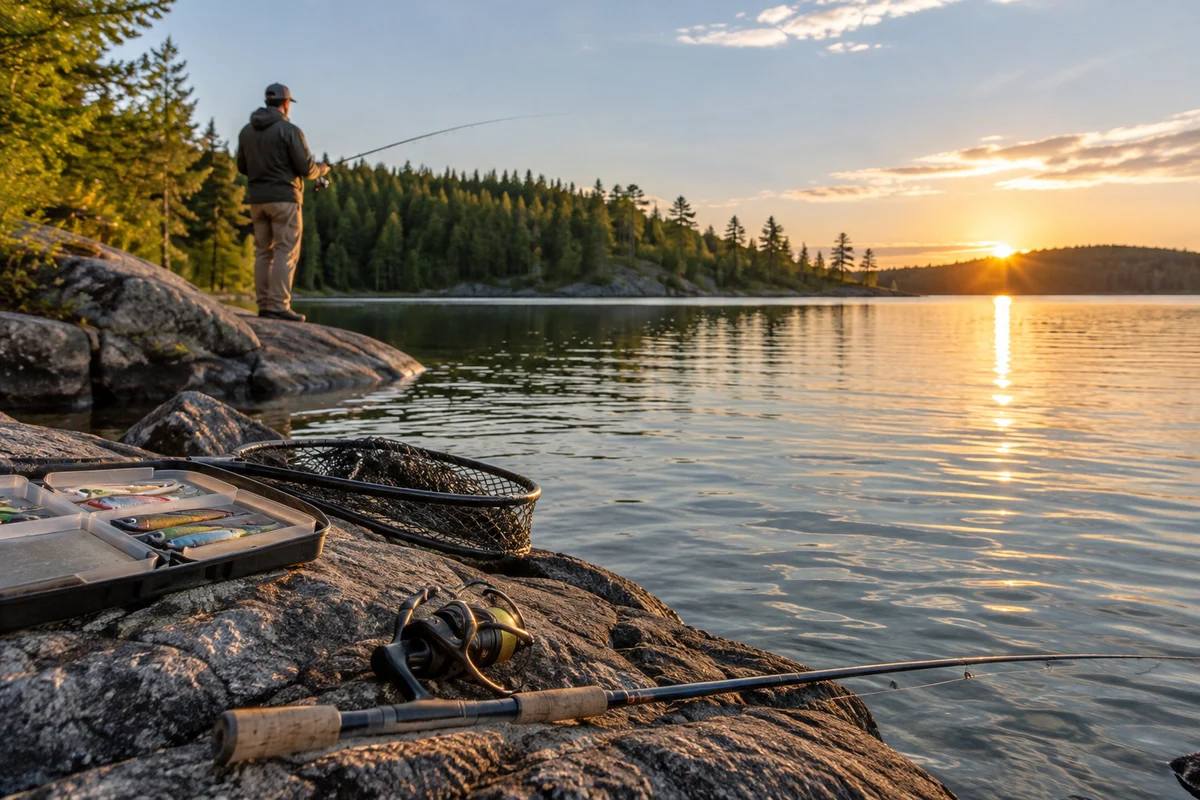
A quiet day on the water can make a subtle presentation seem easy to overlook. Whistler jigs offer another option: a compact jig paired with a small blade or sound-producing component that adds vibration as the lure moves. The details vary by model, so treat the name as a design cue rather than a guarantee of identical action. Check the package or manufacturer’s current information for the exact construction, intended use, and compatible trailers.
The useful question is not whether a lure makes the most noise. It is whether its profile, fall, and vibration help fish locate it under the conditions in front of you. Start by identifying depth and cover, then make controlled changes so you can tell what is working.
What makes a whistler jig different?
A conventional jig is built around a weighted head, hook, and usually a soft-plastic or natural presentation. A whistler-style design adds a component intended to create vibration, sound, or extra movement. Some designs use a blade; others may differ in shape and attachment. Without checking the specific model, do not assume a particular blade material, action, weight, hook size, or species focus.
That added movement can help a fish detect a lure in stained water or when it is moving through a larger area. It can also be unnecessary—or even distracting—when fish are cautious, the water is clear, or the lure is passing close to pressured fish. Think of vibration as one variable, not a universal advantage.
If you are comparing a compact jig to a moving bait, consider the tradeoff. A jig can be placed near a target and allowed to fall or pause; a blade-bearing version adds a signal during movement. A spinnerbait, by contrast, is generally fished as a more continuously moving profile. For another perspective on matching tackle to a presentation, see this guide to spinnerbait storage and organization.
How should you choose a size and color?
Choose weight first by depth, current, wind, and the time you need to reach the target. A lighter jig falls more slowly and can stay in a shallow zone longer, but wind or current may make it difficult to control. A heavier one reaches depth faster and maintains contact, but can drop past suspended fish or snag more readily in some cover.
Color is a practical adjustment, not a promise. Begin with a natural shade that resembles local forage or blends with the water’s visibility. If the lure is hard to track in stained water, a stronger contrast may help you follow it and may make it easier for fish to detect. In clear water, a less conspicuous color can be a sensible starting point. Local forage, light, and fish behavior matter more than a rigid color rule.
| Condition | Starting choice | What to watch |
|---|---|---|
| Shallow, calm water | Lighter head and controlled lift-and-fall | Does it stay above cover and fall naturally? |
| Wind or current | Enough weight to maintain a repeatable path | Can you feel bottom or detect a strike? |
| Stained water | Contrasting color or a vibration-producing model | Do fish follow or strike the moving presentation? |
| Clear, pressured water | Subtle color and a quieter pause between movements | Does added vibration seem to spook or interest fish? |
| Brush, weeds, or rock | Compact profile and a path you can control | Is the hook fouling or the jig wedging? |
These are starting points, not fixed prescriptions. A jig’s actual fall and action depend on its weight, shape, trailer, line, and the model’s construction. When uncertain, read the manufacturer’s description and inspect the lure before fishing.
How do you fish whistler jigs effectively?
First locate a likely depth range. Check a map, shoreline contour, or electronics if available, then look for transitions such as weed edges, rock-to-sand boundaries, docks, or submerged structure. Keep local regulations and access rules in mind, especially around protected areas and seasonal restrictions.
Make a cast that lets the lure reach the target without dragging through unnecessary cover. Use a controlled lift, short swim, or lift-and-fall retrieve. Pause long enough to let the jig settle, then move it again. The blade or other component may produce more vibration as the lure travels; a slow, steady retrieve can reveal whether fish respond to that signal, while brief pauses test whether they prefer a falling target.
Pay attention to the line as the lure drops. A sudden twitch, unexpected slack, or movement that does not match the fall can indicate contact or a bite. Maintain a line angle that lets you feel the lure, but avoid forcing it through snags. If the jig repeatedly catches, change the cast angle, slow the approach, or select a more suitable weight and profile rather than pulling hard and risking breakage.
A simple field sequence keeps adjustments meaningful:
- Make several casts at one depth and retrieve speed.
- Change only one factor—such as pause length, color, or speed.
- Repeat the same path and note follows, strikes, fouling, and bottom contact.
- If there is no response, shift depth or target location before changing everything at once.
This process is more useful than switching lures after every cast. Fish location often matters more than a subtle color distinction, and a lack of bites does not prove that a lure is unsuitable.
What gear and safety checks matter?
Use a rod and line that let you cast the jig accurately and detect its movement. There is no single correct setup for every model or fishery. Match the tackle to the lure’s listed weight and the size of fish you expect, and avoid exceeding rod or line ratings. A small snap or swivel can affect a lure’s movement; follow the lure maker’s guidance rather than assuming every connection works equally well.
Inspect the hook before fishing and after contact with rocks or hard cover. A dull or bent point can reduce reliable hook penetration. Keep fingers clear of hooks while removing weeds, and use pliers when the fish is deeply hooked or the jig is difficult to handle. Wet hands before handling fish you plan to release, support the fish’s body, and return it promptly to the water. Follow local rules for seasons, size limits, bait restrictions, and protected species.
If you are deciding between a jig and other tackle, the right comparison depends on the task. A fishfinder can help identify depth and structure, but it does not determine which lure a fish will take; this article on Lowrance versus Garmin fishfinders discusses how to think about electronics claims and use. For rod selection, the Abu Garcia Villain rod series overview offers a separate equipment context; verify any model details against current manufacturer information because product lines and availability can change.
When should you switch presentations?
Try a different retrieve or lure when the jig is difficult to control, repeatedly fouls, or passes through the target zone without a useful response. If fish appear interested but turn away, slow down, shorten the movement, or reduce contrast. If they cannot seem to locate the presentation in stained water or current, a more visible profile or stronger vibration may be worth testing. Make one adjustment at a time and allow enough casts to compare fairly.
A whistler jig is not a substitute for finding fish, and its sound-producing element is not proof of greater catch rates. Manufacturer descriptions explain a product’s intended design; they cannot predict how fish will respond on a particular day. Treat the lure as one tool in a broader approach: locate likely habitat, control depth, make repeatable presentations, and let observed conditions guide the next change. The freshwater fishing tips hub has more practical approaches for refining that process.
Frequently asked questions
Do whistler jigs work in clear water?
They can be fished in clear water, but extra vibration is not always helpful. Start with a natural color and a restrained retrieve, then compare results with a quieter or less conspicuous presentation.
What fish can you catch on a whistler jig?
The answer depends on the specific jig, hook, trailer, local species, and how it is fished. Check the model’s published guidance and local regulations rather than assuming all whistler-style jigs are designed for the same fish.
Should I add a trailer?
Only if the jig design allows one and the added bulk does not interfere with its action or hook. Confirm compatibility with the manufacturer, then test the lure in shallow water to see how the complete setup moves before casting into cover.
Sources & further information
Consult these primary sources for current regulations, technical information and local guidance.