Fishing in Voyageurs National Park: A Practical Lake Guide
Voyageurs fishing rewards flexible plans: choose a manageable stretch of water, prepare for boat-based travel, and adjust your approach as wind, depth, and structure change.
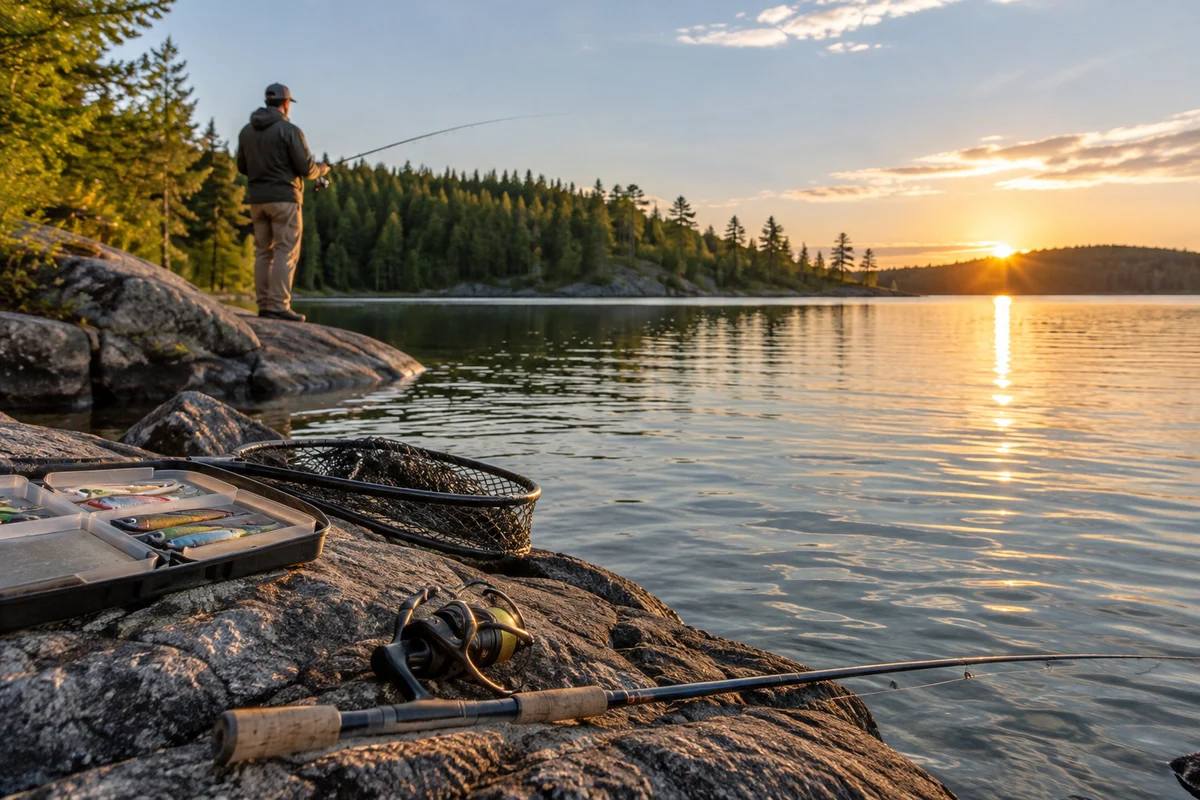
Fishing in Voyageurs National Park is as much a trip-planning challenge as a tackle question. The park’s interconnected lakes, islands, bays, and long stretches of open water make a day on the water feel different from fishing a small roadside lake. A productive plan starts with choosing a realistic area, understanding the rules that apply to your route, and carrying gear that can handle changing conditions. Walleye, northern pike, and smallmouth bass are among the species anglers commonly pursue in the region, but no single pattern guarantees a catch. Treat this guide as a framework, then verify current park information and Minnesota regulations before leaving shore.
What makes fishing here different from other Minnesota lakes?
Voyageurs is a water-oriented national park in northern Minnesota. Its large lakes and protected shorelines create a varied landscape: rocky points, islands, narrows, bays, and open-water crossings may all be part of one outing. The scale matters. A location that looks close on a map can involve a substantial boat ride, and wind can make exposed water more demanding than sheltered bays.
Rather than trying to cover the whole park, pick one lake or connected area that fits your available time, boat, and comfort level. Consider where you can launch or arrange access, the distance between likely fishing areas, and a safe route back if weather changes. The National Park Service’s official Voyageurs information is a useful starting point for understanding park access and conditions; confirm details close to your trip because facilities and operating information can change.
A map is more than a navigation aid here. Study shorelines and channels before departure, note likely sheltered alternatives, and make sure everyone aboard understands the return plan. For broader freshwater techniques and related seasonal guidance, browse the ODU Magazine freshwater fishing hub.
How should you choose a lake and fishing area?
Start with logistics, not a famous-looking spot. Decide how many hours you will actually fish after accounting for launching, travel, breaks, and the ride back. Then select an area with more than one option: a point or rocky edge to try when conditions are calm, plus a protected bay or shoreline route if wind rises. Avoid building the day around a distant destination that leaves little flexibility.
On the water, look for transitions rather than assuming every promising-looking place holds fish. Points, island edges, channel entrances, and changes from rock to softer bottom can concentrate forage or create travel routes. A contour map or chart can help you identify these features, but use it alongside careful observation and safe navigation. If you find signs of bait or activity, work the area methodically before moving; if the same approach produces no clues, change depth, position, or presentation rather than repeating an unproductive pass.
Keep the plan appropriate to the boat and the people aboard. Open stretches, boat traffic, and rapidly changing weather can affect comfort and safety. If you are unfamiliar with the area, shorter runs and sheltered water may be a better choice than chasing a distant report. Do not rely on a phone signal or a single digital map as your only means of orientation.
What tackle and presentations are useful?
A versatile outfit is often more useful than a collection of highly specialized rods. Choose tackle suited to the species and techniques you expect to use, and bring a backup option for changing depth or wind. Jigs, live-bait presentations where permitted, and casting lures can all have a place, but the right choice depends on conditions and current rules. Check Minnesota’s official fishing regulations and information for season, bait, possession, and other requirements before selecting a setup.
For a simple bottom-oriented presentation, a sliding weight can help keep a bait near the lakebed while allowing the line to move through the weight. The details depend on the target, current, and local rules; the related guide to setting up slip-weight rigs explains the basic rigging concept. If you plan to use a leader, line choice involves trade-offs in visibility, stretch, abrasion resistance, and handling. ODU’s overview of fluorocarbon fishing line fundamentals can help clarify those considerations without assuming one material is right for every situation.
Bring a small selection of proven weights, hooks, and lure styles rather than every item you own. Keep terminal tackle organized, retie after contact with rocks or other abrasion, and check knots before fishing. Match hook size and gear to the fishery and follow regulations; avoid leaving cut line or discarded tackle behind.
How can you adapt when the bite or weather changes?
Treat each change as information. If wind pushes bait toward a shoreline, a protected edge may become more attractive; if waves or boat position make precise control difficult, move to a safer location instead of forcing the original plan. A shift in light, cloud cover, or water conditions can also change where fish are active. There is no universal hourly schedule, so observe what is happening and make one adjustment at a time.
When a spot seems quiet, vary a single factor: move shallower or deeper, slow the retrieve, change lure profile, or fish a different type of structure. Give each change enough time to produce a useful comparison. If you alter location, depth, and presentation all at once, it becomes difficult to learn what mattered. Keep notes about the area, conditions, and successful approach; those observations are more useful on a return trip than a vague memory of a good day.
Do not let fishing decisions override safety. Check a reliable forecast before launch and keep monitoring conditions. Wear a properly fitted life jacket while underway and follow applicable boating requirements. If visibility, waves, or wind make the route uncomfortable, shorten the trip or head in. A saved fishing spot is not worth an unsafe crossing.
What rules and park practices should anglers check?
Before fishing, confirm the regulations that apply to the specific water and species you plan to target. Rules can cover licenses, seasons, size limits, daily limits, bait, and special waters; do not assume that an old summary or a rule from another lake applies. Consult current Minnesota Department of Natural Resources information and National Park Service guidance, and ask an official contact if an unclear boundary or activity affects your plan.
Also check current park notices for access, closures, and boating information. Keep a safe distance from wildlife, respect other visitors, and avoid disturbing shorelines or sensitive areas. Pack out line, hooks, bait containers, and food waste. Handle fish carefully, and release fish promptly when required or when you choose not to keep them. If keeping a legal catch, follow current rules for identification, size, and possession rather than relying on memory.
A simple pre-trip checklist helps: license and required permits; current regulations; navigation charts or maps; forecast; communications and emergency plan; life jackets; drinking water; and a route that fits the boat and crew. Recheck the list when plans change, especially if you move to a different lake or cross into a different management area.
What should you pack for a comfortable day?
Pack for a day that may include sun, wind, rain, and spray, not just the conditions at the launch. Bring layered clothing, rain protection, sun protection, water, food, and a dry place for essential items. Carry basic first-aid supplies and the equipment required for your boat. Store electronics and maps so they remain usable, and bring a backup navigation option that does not depend on a charged phone.
Limit tackle to what you can keep organized and secure. Loose hooks, knives, and weights can become hazards in a moving boat. Stow gear before running, keep the deck clear, and make sure passengers know where safety equipment is. If traveling with children or anyone new to boating, explain the plan and basic onboard expectations before departure.
Build time into the day for the ride back and for changing weather. A flexible schedule reduces the pressure to fish too long or make a rushed crossing. The best outing is not necessarily the one that covers the most water; it is the one that leaves room to fish attentively and return safely.
How do you make a first Voyageurs fishing trip manageable?
Keep the first plan modest: choose an accessible area, set a clear turnaround time, and bring tackle for a small number of techniques. Learn the route and how the lake behaves before committing to a longer run. Pay attention to where fish activity appears, but do not treat one catch—or an empty stretch—as proof that the entire lake follows the same pattern.
Afterward, record the practical details: where you launched, the route, wind and sky conditions, approximate depth, structure, presentation, and any access or navigation issue. These notes let you improve your next plan without relying on unverified reports. Check official sources again before each trip, since regulations and park conditions are time-sensitive.
Voyageurs can offer a memorable mix of fishing and wilderness scenery, but the experience is shaped by preparation as much as by technique. Choose water that matches your capabilities, stay adaptable, and make safety and stewardship part of the fishing plan from the start.
Frequently asked questions
What fish can anglers target in Voyageurs National Park?
Walleye, northern pike, and smallmouth bass are among the commonly pursued species in the region. Check current Minnesota regulations and park guidance for rules that apply to the specific water and species.
Do I need to check fishing rules before going to Voyageurs?
Yes. Verify current Minnesota fishing regulations and National Park Service information before the trip, including applicable license, season, bait, and catch rules.
Is a boat necessary for fishing in Voyageurs National Park?
Many fishing areas are reached by water, so access depends on the location and available facilities. Consult current National Park Service access information and choose a plan suited to your boat, experience, and conditions.
Sources & further information
Consult these primary sources for current regulations, technical information and local guidance.