Who Cut the Cheese? Using Cheese as Fishing Bait
Cheese can be a useful, inexpensive bait in some freshwater situations, but success depends on the fish, water, tackle, and local rules. This practical guide covers bait choices, hook presentation, storage, and when another offering makes more sense.
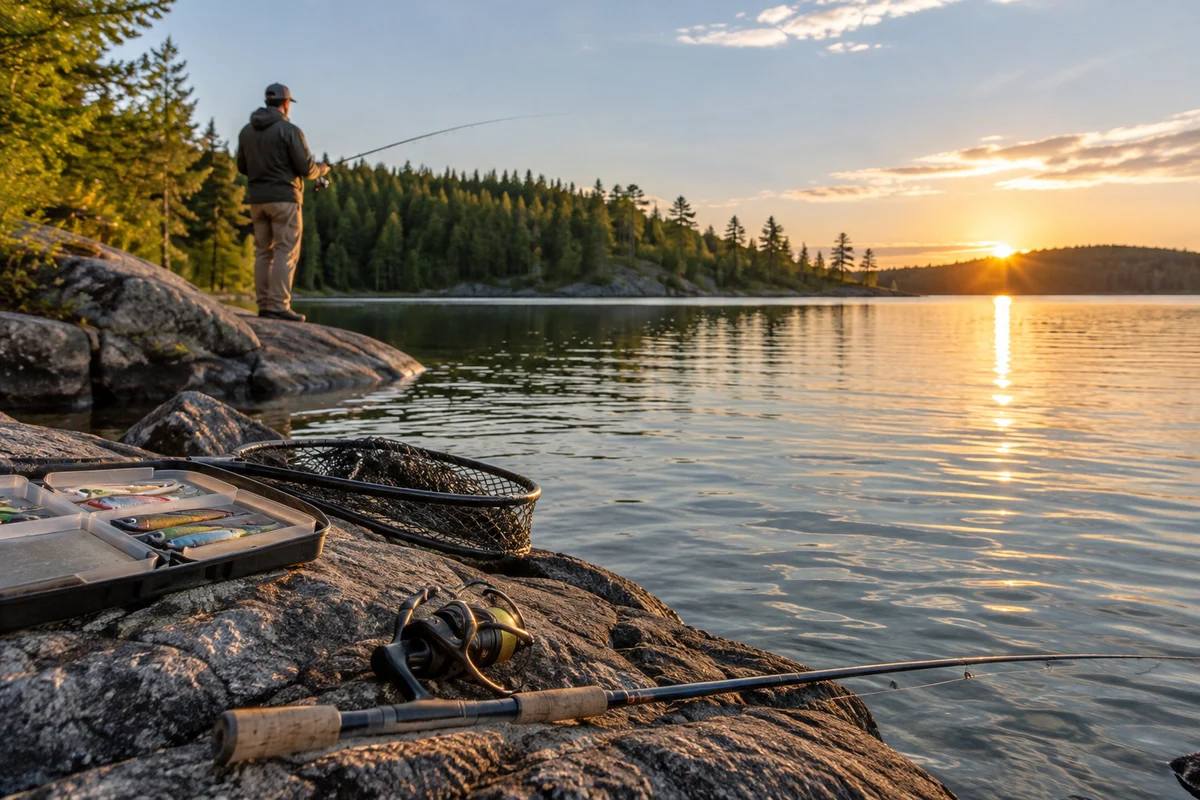
Cheese is an unusual but accessible option for anglers wondering whether a familiar food can work as bait. The short answer is that cheese may attract some freshwater fish, especially where fish encounter food scraps or strong food scents, but it is not a universal solution. “Who cut the cheese” is a playful question; the useful one on the bank is whether a particular cheese will stay on the hook and suit the fish and conditions in front of you.
Treat cheese as an experiment, not a guarantee. Fish species, water temperature, current, fishing pressure, and the way bait is presented all matter. Start with a small amount, keep the setup simple, and compare it with a conventional bait or lure when regulations allow. For broader tactics and seasonal approaches, browse the freshwater fishing tips hub.
Which fish might take cheese bait?
There is no single species-wide rule. In some waters, carp, catfish, and other omnivorous or opportunistic fish may investigate cheese, particularly when its scent disperses and the bait is presented where fish feed. Local habits vary: a bait that gets attention in a stocked pond or a place where anglers regularly use prepared baits might be ignored in a clear stream where fish are feeding on natural insects.
Do not assume that a fish will respond simply because cheese smells strong to a person. Underwater scent travels differently, and fish behavior is shaped by feeding patterns, water conditions, and available natural food. A strong odor is not automatically an advantage; it can be ineffective or mismatched to the setting.
Before choosing bait, identify the likely species and check the rules for the water. Regulations may restrict bait types, introduce rules about transporting bait, or distinguish between natural and prepared bait. State fish and wildlife agencies publish local regulations and water-specific guidance. The [U.S. Fish and Wildlife Service] (https://www.fws.gov/) is a starting point for federal conservation information, while the state agency responsible for your fishing location is the authority to consult for local rules.
What kind of cheese is easiest to use?
For a first try, choose a firm cheese that can be cut or pinched into a compact piece. A soft cheese may smear or slide off, while a very hard piece can be difficult to secure and may not present naturally. Mild or strong flavor is a matter to test rather than a dependable predictor of bites.
| Cheese form | Hook-holding potential | Practical use | Main drawback |
|---|---|---|---|
| Firm block, cut small | Often easier to secure | Simple trial bait on a small hook | Can crack or slip if oversized |
| Soft cheese | Usually difficult to keep in place | Better suited to a contained bait presentation, where legal | Messy and easily washed away |
| Processed cheese | Consistency can be convenient | Small portions for short tests | May soften in warmth or water |
| Cheese mixed into prepared bait | Depends on the full mixture | A scent or texture component | Results vary; mixture may not stay together |
These are handling comparisons, not a promise of fish response. Check packaging for food-safety storage guidance, and avoid leaving scraps or wrappers at the water. Do not use spoiled food or dump bait into a lake or stream. If a bait is not staying on the hook, change the presentation rather than repeatedly adding a large wad.
How do you keep cheese on the hook?
Use a modest piece and match its size to the hook and target fish. Pinch or cut a piece just large enough to cover the hook point area without creating a bulky lump. Leave enough of the point exposed for a clean hook-up. An oversized piece can mask the point, resist a fish’s bite, or fall off during casting.
A few practical steps help:
- Keep the cheese cool until use so it is easier to handle.
- Tear or cut a small test portion rather than preparing a large batch.
- Press it around the hook shank and bend, keeping the point accessible.
- Make a gentle test cast close to shore or into a safe, shallow area.
- Check the bait after a cast, a suspected bite, or a short drift; replace it when it is gone or softened.
If the cheese repeatedly comes off, consider a bait-holder hook or a legal bait-retaining method appropriate to the fishery. Do not add materials or use a rig that violates local rules. A small piece of mesh or other containment may be restricted in some waters, so check regulations first. Keep hands clean, avoid touching shared gear with greasy fingers, and store food and bait separately from drinking water and lunch.
When is cheese a sensible choice?
Cheese is most useful as a low-cost trial when the target fish may take scented or prepared baits and you can present it without disrupting the spot. It can also be a backup when you already have a small amount available and local rules permit it. Use only enough to fish effectively; excess bait can create litter, attract unwanted wildlife, and make it harder to judge what is happening.
A quick field decision framework:
- Fish known to take varied baits: Try a small piece and observe whether it remains on the hook.
- Fast current or repeated casting: Choose a firmer presentation, or switch to bait designed to withstand the conditions.
- Very soft or warm cheese: Expect poor hook retention; keep it chilled or choose another bait.
- Clear water with wary fish: Keep the offering small and unobtrusive; scent alone may not overcome a poor presentation.
- Rules uncertain: Pause and confirm what is allowed before putting any bait in the water.
- No interest after a fair trial: Change location, depth, or bait rather than assuming a stronger-smelling cheese will solve the problem.
The broader lesson is that bait choice is only one part of the setup. Reading the water, keeping tackle appropriate, and adapting to fish behavior matter just as much. Anglers deciding among bait and equipment approaches can also review the Lowrance versus Garmin fishfinder discussion for context on using electronics, or read about spinnerbait storage for practical tackle organization. Those topics are different from bait selection, but both reinforce a useful habit: prepare gear for the conditions rather than expecting one product or technique to do everything.
Cheese bait and responsible fishing
Use bait in a way that protects the fishery. Follow local rules on bait, hooks, and catch handling; keep only fish you are permitted and prepared to use; and release fish carefully when that is your plan. Pack out wrappers, leftover bait, and line. Never leave food scraps on the bank, where they can attract animals or become litter.
Avoid introducing cheese or any other bait into waters where it is prohibited, and do not move unused bait or water between locations if that could spread invasive organisms or disease. When fishing unfamiliar waters, check the state or provincial agency’s current regulations and any site-specific notices. Conditions and rules can change, so verify them for the exact water and date of your trip.
Cheese is best approached as a small, controlled test: select a firm piece, keep it compact, expose the hook point, and pay attention to whether it holds up. If fish show no interest, move on to a bait or lure suited to the species and habitat. That simple process makes the answer to “who cut the cheese?” less important than the question that helps you catch fish responsibly: what is working here today?
Frequently asked questions
Can you fish with ordinary cheese from the refrigerator?
Often you can try a small piece where local rules allow bait, but ordinary cheese may soften or slip off. A firm piece is usually easier to handle; test a small portion before casting far.
Does strong-smelling cheese catch more fish?
Not reliably. Scent preference depends on the fish, water, and feeding conditions. A strong odor is no guarantee, so judge the bait by results and avoid adding excess.
Is cheese bait legal everywhere?
No. Bait regulations vary by jurisdiction and water. Check the current rules from the agency responsible for the exact place you plan to fish before using it.
Sources & further information
Consult these primary sources for current regulations, technical information and local guidance.