LiveTarget Swimbaits: How to Choose and Fish Them
A practical guide to matching LiveTarget swimbaits to local forage, choosing an appropriate presentation, and adjusting retrieve and tackle without relying on model-specific assumptions.
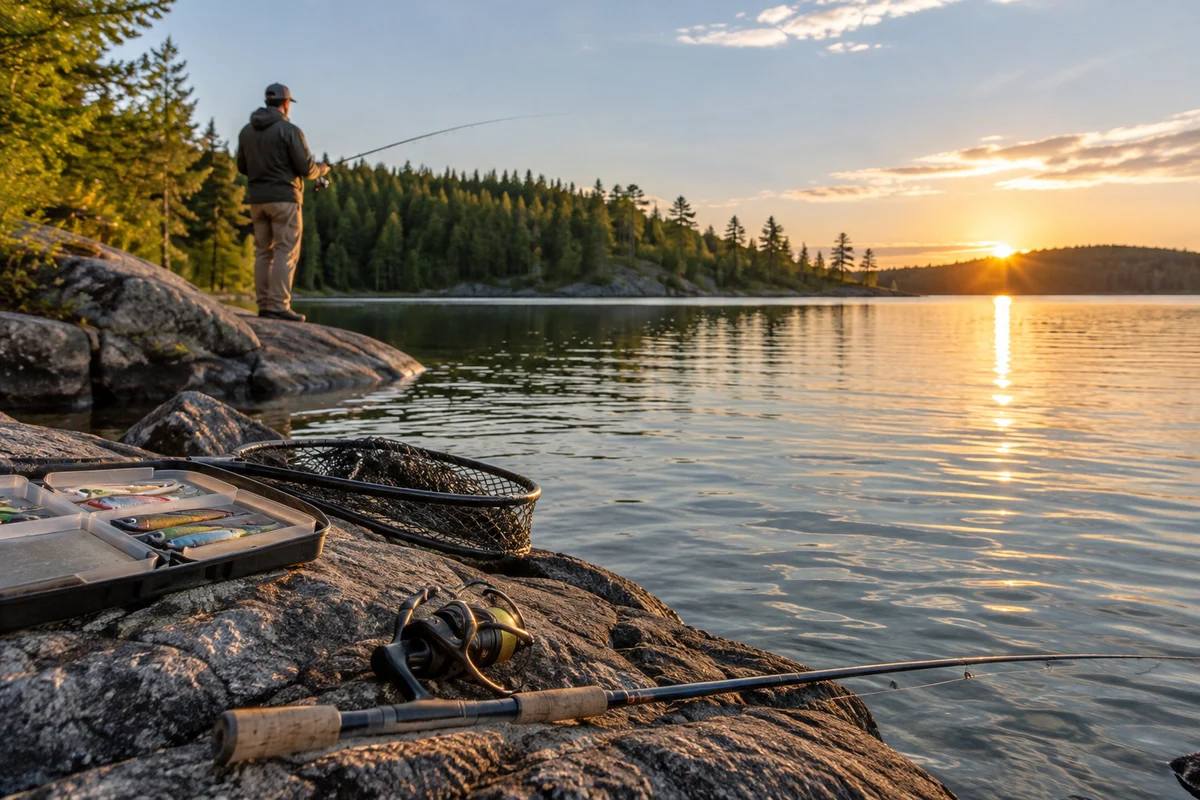
LiveTarget swimbaits can suggest a simple plan: choose a realistic bait, cast it near fish, and retrieve it. In practice, the useful choice depends on the forage available, where fish are holding, and how a particular bait is designed to move. The name covers products that may differ in profile, construction, and rigging, so treat the packaging and current manufacturer information as the authority for any model-specific detail. This guide focuses on decisions that carry across swimbait styles: what to match, how to present the lure, and how to tell whether a change is helping.
What should you match when choosing LiveTarget swimbaits?
Start with the prey fish or other forage that predators are actually encountering—not just the most colorful lure in the box. Look for clues such as baitfish near the surface, fish pushing forage against a bank, or activity around vegetation and cover. If you cannot identify the exact species, matching the general silhouette and size of local forage is a reasonable first step. A compact, narrow profile and a deeper-bodied profile make different visual impressions, even when their colors are similar.
Think of color as one part of that match. In clear water and bright conditions, a subdued, natural-looking finish may be easy for a fish to inspect; in stained water or low light, contrast can make a lure easier to track. These are starting points rather than rules. Water clarity, sky, depth, and the fish’s response all matter, and a fish may reject a theoretically perfect match.
Before heading out, compare the intended bait with the actual lure: body length, silhouette, and dominant color. Confirm that it is suitable for the water and fish you plan to target, and check the package or manufacturer’s information for the intended rigging and any model-specific limitations. Do not infer a lure’s exact action or construction from a product-family name alone.
How do you choose a swimbait for the depth and cover?
Decide where the lure needs to travel before choosing how to retrieve it. A baitfish-shaped lure running above submerged grass serves a different purpose from one intended to pass beside a deeper edge. The lure’s design, weight, line, and retrieve speed can all influence its path. Check the product information where available, then test the lure beside the boat or in open water to see how it behaves at a controlled pace.
For shallow water, keep the lure above snags and vegetation rather than allowing it to drag through cover without a plan. Along an edge, cast parallel to the structure when practical; this can keep the lure in the target zone for more of the retrieve. Over deeper water, count it down only if the design and rigging support that approach, and use a repeatable count so you can compare passes. Avoid assuming that every swimbait sinks, suspends, or holds a particular depth.
Cover also influences hook exposure. An exposed hook can be appropriate in relatively open water, while a weedless arrangement may be preferable around weeds or brush if the bait supports it. Follow the maker’s guidance for the specific model. A lure that swims crooked, rolls, or fouls repeatedly may be incorrectly rigged, damaged, or simply unsuited to that cover.
Which retrieve should you try first?
Begin with a steady retrieve at a moderate pace. That gives you a baseline: observe whether the lure tracks straight, whether its action looks natural, and whether fish follow or strike. If fish are active near the surface, a faster retrieve may keep the bait in their zone. If the target appears less active or deeper, slowing down can help maintain contact with the intended depth. Change one variable at a time so you can learn what prompted a response.
A brief pause or speed change can make a moving lure look less mechanical, but it should fit the bait’s design. Some styles are meant to be reeled continuously; others may tolerate a stop or subtle change in pace. Watch how the lure behaves during a pause before using one near a snag or in current. If it drops into cover, fouls, or loses its intended action, return to a continuous retrieve or choose a different lane.
When fish follow without striking, avoid immediately changing everything. First try a slightly different speed, a shorter pause, or a cast that crosses the fish’s path from another angle. If the same response continues, reconsider the lure’s size, profile, or depth. The objective is not to add complexity but to identify the mismatch that is most plausible.
How can you rig and check the lure correctly?
Use the rigging approach intended for that exact bait. For a soft-bodied model, keep the hook centered and aligned with the body if the design calls for it; a crooked rig often causes an unnatural track. For a hard or pre-rigged style, inspect the connection points and hooks, and avoid changing components unless you understand how the change may affect balance and movement. Product designs vary, so a general tip should never replace the model’s instructions.
Before the first fishing cast, make a short test retrieve where the lure is visible. Confirm that it runs as expected at slow and moderate speed, stays intact, and does not twist the line excessively. Recheck after a snag or a hard strike. Replace or repair a damaged bait when its movement or hook security is compromised, and keep hooks covered during transport.
A compact tackle routine helps: carry only a few contrasting profiles, keep them separated if their materials might react with one another, and inspect hooks after use. For broader tackle organization ideas, see common-sense spinnerbait storage. The storage details differ by lure type, but the useful principle is the same: protect the bait and make it easy to inspect before fishing.
Where should you cast a swimbait?
Look for places where predators can intercept forage: weed edges, points, pockets, current seams, docks, or transitions between shallow and deeper water. These are search areas, not guarantees. Start by covering water methodically and note where you see bait, follows, or strikes. A cast that crosses a likely holding area is often more informative than repeatedly landing in the same unproductive spot.
Match your approach to the conditions. Wind can push forage toward a bank or make lure tracking harder to see; current can change how quickly a bait moves past a fish. In either case, keep the lure under control and make casts that let you judge its path. If a swimbait is difficult to track, use a more visible color or a different angle rather than assuming fish cannot see it.
A swimbait is one option among many. If fish are responding to a faster, more erratic presentation, compare the idea with other moving baits, such as the lures discussed in this overview of Blitz Lures and related bait makers. The aim is not to declare one style superior; it is to choose a presentation that fits the fish’s behavior and the water you are fishing.
What should you change when fish do not bite?
Use a simple sequence rather than swapping lures at random. First verify that the bait is tracking correctly and reaching the depth you intended. Next adjust retrieve speed or cast angle. Then consider a change in size, profile, or color. If there are no signs of forage or predator activity, move to another likely area. This order separates a presentation problem from a location problem.
Pay attention to the difference between a follow and no response. A follow suggests the fish noticed the lure, so a small change in speed, depth, or direction may be worth testing. No visible response gives you less information; check for signs of life nearby and avoid spending too long on an unproductive stretch. Record a few observations—water clarity, cover, depth, and what retrieve you used—so the next outing starts with a useful comparison.
For more ideas on freshwater presentations and seasonal approaches, browse the fishing tips hub. Local seasons, species rules, and waterbody restrictions can change, so consult the relevant fish-and-wildlife agency before keeping fish or fishing in regulated waters. The best swimbait choice is ultimately the one that fits the forage and conditions, runs as intended, and can be presented accurately where fish are likely to feed.
Frequently asked questions
Are all LiveTarget swimbaits rigged the same way?
No. Rigging depends on the specific design. Check the package or current manufacturer information, and test the lure in visible water to confirm it tracks correctly before fishing.
What retrieve should I use with a LiveTarget swimbait?
Start with a steady, moderate retrieve and observe the lure’s action. Adjust speed, pauses, and depth only in ways that suit the particular bait, changing one factor at a time.
How do I choose a LiveTarget swimbait color?
Use local forage and water clarity as starting points. Natural-looking colors can be useful in clear conditions, while higher contrast may be easier to track in stained water or low light; let fish response guide adjustments.
Sources & further information
Consult these primary sources for current regulations, technical information and local guidance.