Hagerman National Wildlife Refuge Reviews: A Deer Hunter’s Field Guide
Online reviews can offer clues about a refuge visit, but they cannot establish current deer numbers, access or hunting rules. Use this guide to evaluate what reviewers say and verify the details that matter before planning.
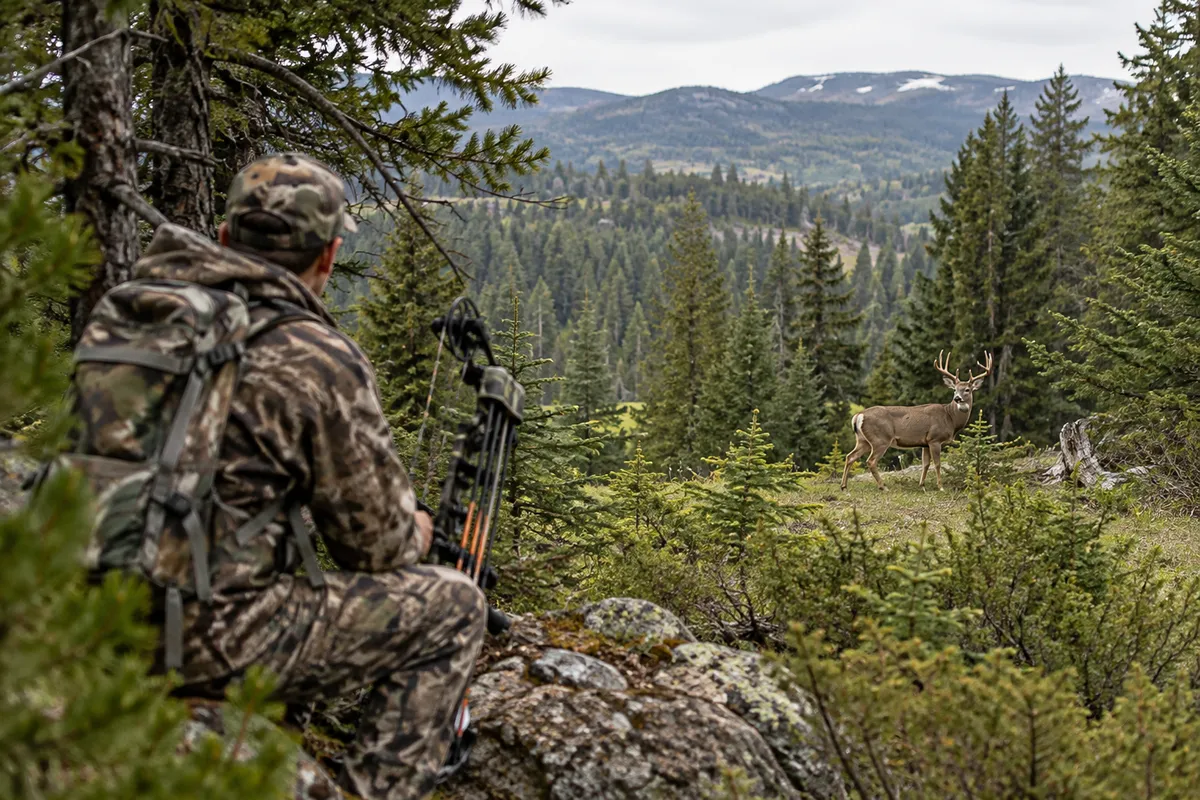
If you are searching for Hagerman National Wildlife Refuge reviews, separate general visitor impressions from information that can actually help with deer hunting. A review may describe scenery, wildlife sightings, crowds or a past visit; it usually cannot confirm current hunting access, season dates, deer abundance or unit-specific rules. Those details can change and need to come from official sources. Treat reviews as a starting point for questions, not as a substitute for current refuge guidance and Texas regulations. This approach helps you assess the refuge realistically, plan around uncertainty and avoid building a hunt around someone else’s anecdote.
What can reviews tell you about a deer-hunting visit?
Reviews are most useful for broad, firsthand observations: whether a visitor found a landscape appealing, noticed wildlife, encountered other people, or had difficulty navigating a visit. Those experiences can help set expectations about the character of a place, but they are personal and time-bound. A report of seeing deer does not establish a reliable population estimate, and a quiet visit does not mean deer are absent.
Look for details that can be interpreted without overreaching. Does a reviewer identify when they visited? Are they describing a specific area or the refuge generally? Are they discussing a wildlife-viewing trip rather than a hunt? If the post leaves those points unclear, its value for planning is limited. Reviews also may use “access” to mean roads or visitor areas, not permission to hunt or enter a particular tract.
A sensible evaluation starts with the refuge’s current official information, then uses reviews only to add context. For broader deer-hunting preparation, browse the deer-hunting hub and compare its practical planning topics with the questions you still need answered.
How should you assess habitat without assuming deer numbers?
A refuge name or an appealing landscape is not proof of hunting opportunity. Deer use of an area can vary with habitat, food, cover, weather, disturbance and season. Even observations made by visitors can be uneven: people tend to report memorable sightings, and the locations and times they visit may not represent the whole property. Avoid translating a few anecdotes into a prediction about how many deer you will see.
Instead, note what a review actually describes. References to habitat or terrain may help you think about what clothing, footwear, optics or navigation preparation could be appropriate, but they do not identify legal hunting areas. Do not infer a trail, road, parking area or wildlife-viewing location is open to hunters. Use official maps and current refuge notices to establish boundaries and allowed activities before choosing a destination.
It also helps to distinguish “deer activity” from “deer opportunity.” A sighting may have occurred outside a hunting season, in an area closed to hunting, or under conditions that do not apply to your visit. Keep those possibilities in mind whenever a review makes a confident claim without a date, location or source.
What should you verify about access and refuge rules?
Before traveling, check the refuge’s own current rules for hunting, access, boundaries, permitted areas, required permits and any special conditions. Confirm whether deer hunting is allowed for the dates and locations you are considering; do not assume that hunting is open throughout a national wildlife refuge. A general visitor page, older review or map screenshot may not answer that question. If the published information is unclear, contact the refuge through its official channels before making plans.
Then check the applicable Texas regulations for season dates, licenses, methods and other requirements. Refuge-specific conditions may apply in addition to state rules, so satisfying one set of requirements does not necessarily satisfy the other. Read the current official documents rather than relying on summaries copied into a review or social post. Save or download the relevant notices and maps so you can consult the same versions while planning.
Plan to identify property boundaries and any areas closed to entry. If a route, access point or boundary is unclear, do not treat uncertainty as permission. The U.S. Fish and Wildlife Service provides the official starting point for refuge information, while the Texas Parks and Wildlife Department is the state source for Texas hunting regulations. Their current guidance should take precedence over informal accounts.
How can you prepare when conditions and sightings are uncertain?
Build a flexible plan around what you can verify, not around a promised sighting. Check forecasts close to your trip, prepare for the terrain and conditions indicated by official maps and current information, and bring reliable navigation tools. Tell someone your general plan and expected return, and follow refuge instructions about parking, access and visitor safety. If a planned area is unavailable or conditions differ from expectations, have a lawful alternative rather than improvising in a closed area.
Review basic deer-hunting preparation before the season, including equipment checks, clothing, navigation and a clear understanding of applicable rules. Our guide to preparing for deer season offers a useful checklist-oriented companion. Preparation should include knowing how to identify your location and boundary lines, and being willing to stop if you cannot confirm that an area is open.
Do not judge a day solely by whether you see deer. Wildlife is unpredictable, and a reviewer's memorable outing cannot guarantee a repeat. Paying attention to wind, visibility, noise and safe movement can improve your awareness in the field, but none of those factors overrides access rules or guarantees an encounter. A conservative plan leaves room for changing weather, closures and limited information.
How do you judge whether an online review is credible?
Give more weight to specific, dated, firsthand observations than to sweeping claims. A useful review makes clear what the person did, roughly when they visited and what they personally observed. Even then, distinguish observation from conclusion: “I saw deer” is an account of one experience; “this refuge consistently produces deer” is a broader claim that requires better evidence than a single visit.
Be cautious with posts that repeat exact-sounding claims about current access, hunting quality or regulations without linking to an official notice. Rules and conditions can change, and old posts may remain visible after they stop being useful. If a reviewer uses a location name, verify that it matches the current official map and does not refer to a nearby property or a different part of the refuge.
Likewise, an absence of sightings is not a dependable measure of population or habitat quality. Timing, weather, route, observation effort and chance all affect what a visitor sees. For another perspective on interpreting deer encounters, read why you may not be seeing deer; use it as general context, not as a claim about conditions at Hagerman.
What is a practical review-based decision process?
Use reviews to make a short list of questions, then resolve each one with current official information. First, decide whether the reviews describe the kind of visit you plan to make. Second, check the refuge’s hunting and access guidance for the relevant dates and places. Third, confirm Texas requirements and any additional refuge conditions. Finally, make a flexible plan that respects boundaries and allows you to change course if information or conditions shift.
If those checks do not confirm that a particular area and activity are permitted, do not rely on a review to fill the gap. Choose a clearly authorized option or postpone the trip until you can verify the details. This is more useful than trying to estimate deer prospects from ratings, isolated sightings or old reports.
The best takeaway from Hagerman National Wildlife Refuge reviews is not a promise of hunting success. It is a way to understand visitor impressions while keeping current access, regulations and wildlife expectations grounded in verifiable information.
Frequently asked questions
Do Hagerman National Wildlife Refuge reviews confirm current deer-hunting access?
No. Reviews describe individual experiences and may be outdated or refer to general visitation. Confirm hunting access, open areas and special conditions through current official refuge information, then check applicable Texas regulations.
Can visitor reviews tell me how many deer I will see?
No. Sightings vary with timing, location, conditions and chance. A review can provide context about one visit, but it cannot reliably predict deer abundance or the results of a future trip.
What should I check before planning a visit?
Verify current refuge rules, permitted activities, boundaries, access and any required permits. Also confirm current Texas season dates and regulations, and contact the refuge if official guidance leaves a key detail unclear.
Sources & further information
Consult these primary sources for current regulations, technical information and local guidance.