What Is a Salamander Rig? A Simple Guide to Fishing It
A salamander rig is a way to present a salamander-shaped soft bait near cover or along the bottom. This guide explains the basic components, adaptable setups, and how to choose a presentation without assuming every fish or waterbody responds the same way.
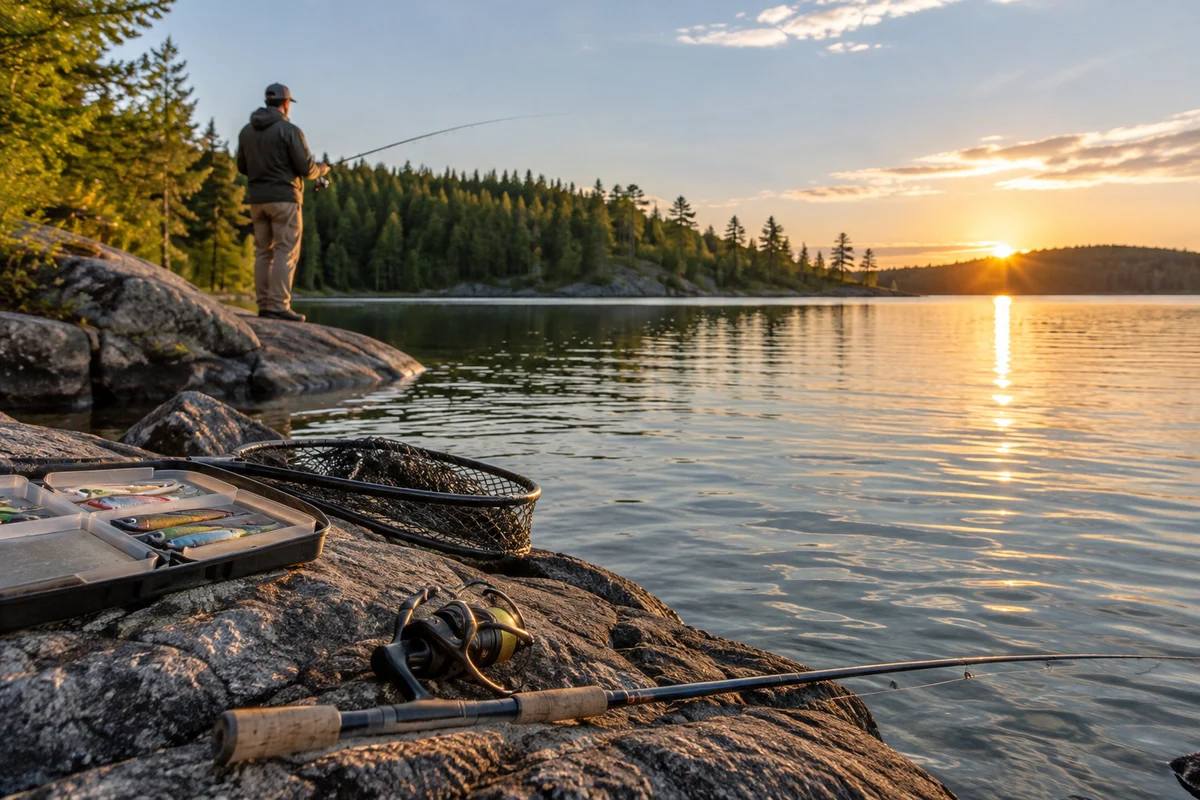
Anglers asking “what is a salamander rig” are usually looking for a simple way to fish a soft-plastic salamander or lizard-shaped bait around cover. The phrase does not identify one standardized, named rig: anglers may mean a Texas rig, a Carolina rig, or another setup carrying a salamander-style lure. The useful question is therefore how you want the bait to move, how much cover is present, and whether you need to keep it near the bottom.
A salamander-shaped bait can suggest a small amphibian or other substantial forage item to a predator, but its appearance alone does not guarantee a bite. Match the setup to the water, avoid snag-prone choices where appropriate, and check local rules before using live salamanders or any bait restricted by law.
What does a salamander rig mean?
In everyday fishing talk, a salamander rig is generally a soft-plastic salamander bait mounted on terminal tackle. There is no single universal arrangement. Many anglers use a Texas-style presentation, with the hook point tucked into or against the plastic to reduce snags. Others use a Carolina-style arrangement, in which a weight is separated from the bait by a leader. A lightly weighted or weightless hook is another option in shallow water.
The bait itself is commonly a long-bodied soft plastic with legs or appendages. Manufacturers make different shapes and sizes, so do not assume every lure has the same action or rigging recommendations. Read the package and any included instructions, and use a hook compatible with the bait’s size and shape.
This article focuses on artificial soft plastics. Live amphibians may be protected, prohibited as bait, or subject to collection and transport restrictions. Confirm the regulations where you fish before collecting or using any animal as bait.
Which basic setup should you start with?
Choose by the presentation you need, not by a claim that one arrangement is always best. A compact, weed-resistant setup is often a practical starting point around vegetation or wood. A separated-weight arrangement can help keep a bait near the bottom while allowing it to move on a leader. A weightless rig may descend more slowly and suit shallow, relatively open water, though wind, current, depth, and bait design affect the fall.
| Water and cover | Possible starting setup | Main trade-off |
|---|---|---|
| Weeds, brush, or scattered wood | Texas-style, with the hook point protected by the bait | Fewer exposed points to catch cover, but a tucked point still needs a clean hookset and can collect weeds |
| Open bottom or a need to feel bottom contact | Carolina-style, with weight ahead of a leader | Separates weight from bait, but adds parts and can be awkward in dense cover |
| Shallow, calm water | Weightless soft plastic | A slower fall, but less control in wind, current, or deeper water |
| Unfamiliar water | Start with a manageable, simple rig and adjust after observing snags and depth | Less complexity, but it may take experimentation to find a useful fall and retrieve |
These are starting points, not rules. Local fish species, forage, season, water clarity, and regulations all matter. For broader freshwater approaches, visit the freshwater fishing tips hub. If you are comparing tackle for another presentation, the site’s guide to spinnerbait storage and organization offers a related look at keeping commonly used gear ready without confusing one lure’s setup with another.
How do you rig a soft-plastic salamander?
First, select a hook that fits the bait’s body and the type of cover. A hook that is too large can distort the bait; one that is too small may not leave enough room for the plastic to move clear during a strike. Follow the lure maker’s guidance where provided, and keep the point and barb handled carefully.
For a basic Texas-style setup, tie on an appropriate hook and add a compatible sinker if you need one. Thread the bait straight onto the hook so it sits aligned rather than crooked. Position the hook point against or just under the plastic according to the hook and bait design. The goal is a tidy profile that moves naturally and is less likely to snag—not an assertion that the rig cannot snag.
For a Carolina-style option, place a suitable weight on the main line, add the appropriate connection hardware if needed, then attach a leader and hook. The leader length is a variable to adjust, not a fixed prescription: shorter leaders can keep the bait closer to the weight, while longer ones give it more separation but may be harder to manage in cover. Check knots and connections before casting.
With any setup, inspect the bait after snags or fish. A torn, twisted, or badly bent plastic may track poorly. Dispose of damaged plastics responsibly rather than leaving them at the water’s edge.
How should you fish it around cover?
Start with a controlled cast to the edge of a weedline, a visible opening, or a likely travel route. Let the bait settle while maintaining enough line awareness to notice a pause or unexpected movement. Then try a slow drag, a short lift followed by a fall, or a brief pause. These are ways to vary the presentation, not guaranteed triggers.
If the bait is repeatedly buried in weeds, alter the hook-point position, use a more weed-resistant arrangement, or move to a clearer lane. If you cannot tell when the bait reaches bottom, a little more weight may help, but too much can make the presentation feel abrupt or increase snags. Change one factor at a time—location, weight, or retrieve—so you can tell what improved control.
Pay attention to the entire retrieve. A fish may take a bait on the fall, during a pause, or while it is moving. If you feel a strike, keep the rod and line under control and respond in a way suited to the tackle and local rules. Avoid forceful, indiscriminate hook-setting around people, boats, or overhead obstacles; maintain a safe casting zone and handle hooks with care.
What should you consider before choosing bait and tackle?
Use the lightest setup that gives you reasonable control in the conditions, while staying within the rod, reel, line, and hook’s intended use. Dense cover and open water call for different compromises. A heavier sinker can help maintain contact in depth or current, while a lighter or weightless approach may give a slower fall in calm shallows. No specific weight is right for all salamander baits or waters.
Color is similarly situational. Water clarity, light, local forage, and personal confidence may guide choices, but there is no universally correct color. Start with a bait you can see and manage, then observe how fish respond rather than buying into rigid color formulas. For fish-finding context, this site’s discussion of fishfinder comparisons and their limits can help frame electronics as aids to locating structure and fish—not a substitute for learning a waterbody.
Local rules can govern seasons, bait types, hook arrangements, and protected species. Regulations differ by jurisdiction and may change. Consult the relevant state or local wildlife agency before fishing, especially if considering live bait, unfamiliar waters, or species with special protections. The U.S. Fish and Wildlife Service provides a starting point for federal wildlife information, while state agencies publish the rules anglers need for a particular location.
A quick field decision framework
Before tying on, ask three questions:
- How much cover is in the target area? Around snags, consider a weed-resistant hook arrangement; in open water, an exposed point may be manageable where legal and suitable.
- How quickly must the bait reach depth? Choose weight based on depth, current, wind, and line control rather than a fixed recipe.
- What is the bait doing? If it hangs up repeatedly, simplify or reposition. If it falls too quickly or feels unnatural, reduce weight or try a different presentation.
Make a brief note of the setup and conditions when something works. That turns a vague “salamander rig” into a repeatable choice for a specific place and situation. As always, pack out used plastics and line, respect access rules, and handle any catch according to local regulations.
Frequently asked questions
Is a salamander rig a specific named fishing rig?
Not usually. The phrase generally means a soft-plastic salamander bait on a Texas-style, Carolina-style, weightless, or other suitable setup.
Can I use a live salamander as fishing bait?
Rules vary, and some species may be protected or restricted as bait. Check the wildlife regulations for the exact place you plan to fish; this guide covers artificial baits.
What is a good starting setup for a salamander bait in weeds?
A Texas-style setup with the hook point protected by the plastic is a common starting option around weeds, but it can still snag. Adjust weight and hook choice to the bait and conditions.
Sources & further information
Consult these primary sources for current regulations, technical information and local guidance.