Fly Fishing Steelhead Rig: Build a Two-Stage Setup
A two-stage steelhead rig helps present a fly through changing current and water depth without turning every adjustment into a rebuild. Learn how to choose the leader, weight, indicator, and fly arrangement—and when to simplify.
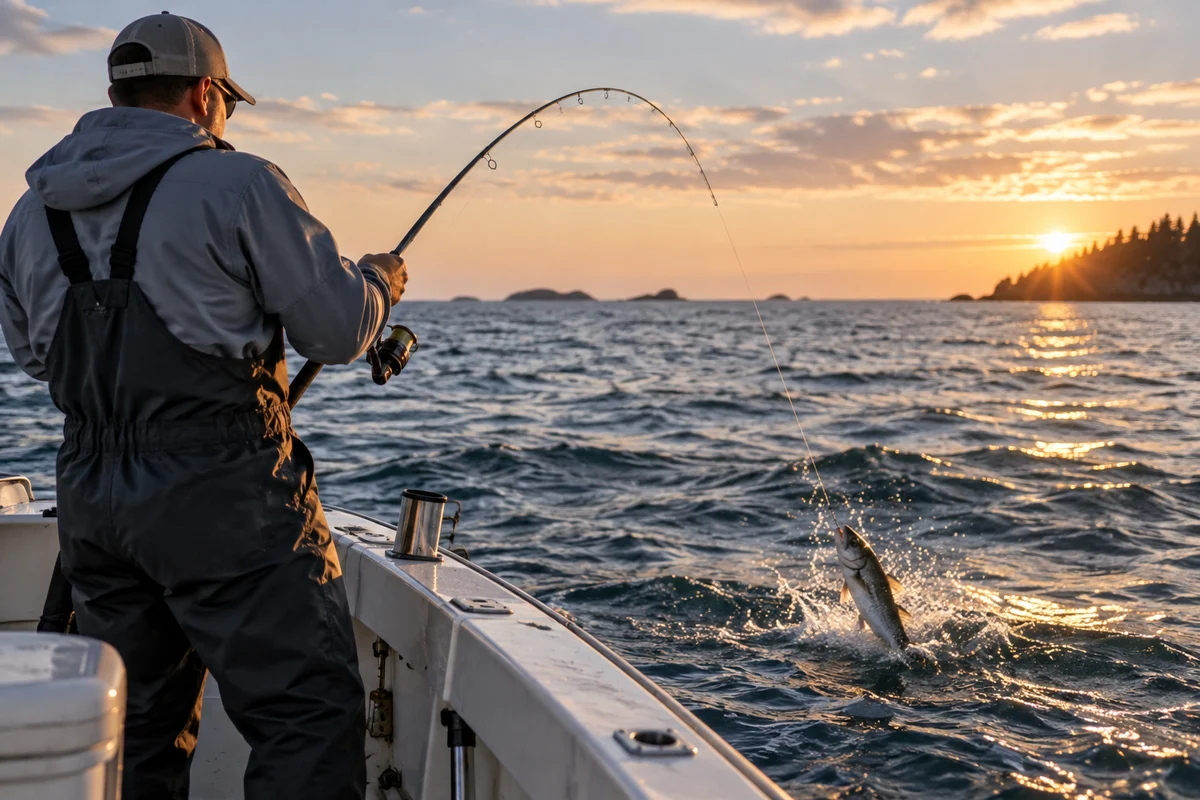
Steelhead water rarely holds one speed or depth from bank to bank. A useful fly fishing steelhead rig must reach the fish’s lane, drift naturally, and remain manageable as current and conditions change. A two-stage setup divides those jobs: a main leader carries the indicator and any permitted weight, while a short terminal section presents the fly or flies. It is a flexible framework, not a guarantee of a hookup or a substitute for local regulations.
Start by identifying the water you will fish, the depth you need to cover, and the rules for that reach. Then build a rig that is simple enough to adjust without losing track of where the fly is traveling. For broader saltwater and coastal fishing context, see the fishing and saltwater topic hub.
What does “two-stage” mean in a steelhead rig?
Here, “two-stage” describes the leader’s functional sections rather than a single standardized formula. The upper section connects the fly line to an indicator or other strike-detection method and provides room to adjust depth. The lower section—often called the tippet—connects that system to the fly and is chosen for knot reliability, abrasion, and the fishery’s rules.
Some anglers fish one fly; others use more than one only where regulations allow. A one-fly rig is a sound default: it reduces tangles, makes depth changes easier to interpret, and avoids accidentally fishing an illegal number of hooks. Do not assume a common practice is legal everywhere. Check the current rules for the precise river reach, season, and tackle method before rigging.
The design goal is controlled presentation, not maximum complexity. A rig that is too long or weighted too heavily can snag repeatedly, drift unnaturally, or become difficult to cast safely. A rig that is too short or light may pass above the holding depth. Adjust one variable at a time so you can tell what changed.
How do you assemble the basic setup?
Use your rod and line as the starting point, then assemble from the fly line toward the fly. Follow the rod and line maker’s guidance for compatible tackle; there is no universal leader length or tippet diameter for every steelhead river.
- Attach a tapered leader or suitable leader section. Choose a length you can cast and control in the available space. Dense brush, overhead limbs, and narrow banks call for a more compact setup than open water.
- Add the depth-control method. If using an indicator, position it so the fly can travel through the intended lane without dragging continuously. Keep the connection secure and avoid adding hardware that serves no purpose.
- Place only legal, appropriate weight. Where permitted, put weight above the fly on the leader rather than adding an improvised arrangement that risks damage or tangling. Weight placement and amount affect how quickly the fly sinks and how the rig turns over.
- Connect a tippet section and one fly. Use a knot you can tie consistently, wet and seat it carefully, then inspect it. Choose a fly suited to the water and season, rather than assuming one pattern is universally effective.
- Check the whole system. Pull gently on connections, make sure the hook is covered or otherwise handled safely during transport, and verify that no line is wrapped around the rod tip.
A two-fly configuration, when lawful, needs extra attention: the dropper can wrap around the main line, and additional hooks complicate landing and release. If you cannot keep it organized or confirm legality, use one fly.
How should you set depth and weight?
Treat depth as a field adjustment, not a fixed recipe. Observe the flow, likely holding water, and how the rig behaves during a short test drift. The indicator should travel in a way that gives you useful feedback; persistent dragging, abrupt stalls, or frequent snags suggest the fly or weight may be too deep, too heavy, or moving through the wrong lane. A rig that glides high and quickly may need more depth or a different drift angle.
| What you notice | First adjustment to try | What to avoid |
|---|---|---|
| Repeated hard snags | Reduce weight or raise the indicator to fish shallower | Pulling hard while standing in unsafe current |
| Fly appears to skim above the target lane | Add a small, permitted amount of weight or fish a slower seam | Making several changes at once |
| Indicator repeatedly stops while the rig passes shallow bottom | Check for bottom contact and shorten the depth setting | Assuming every stop is a fish |
| Tangled leader after casting | Shorten the system or make a smoother, more controlled cast | Forcing a long cast through branches or crowded banks |
| Drift moves faster than nearby surface cues | Manage line and position to reduce drag | Adding weight as the only possible fix |
Use the table as a diagnostic starting point, not a universal rule. Current seams, changing water level, fly buoyancy, and line control all affect what you see. The National Oceanic and Atmospheric Administration’s Fisheries resources offer broader information on fish and aquatic systems, but local fisheries agencies are the authority for site-specific regulations and conditions.
What leader and fly choices make sense?
The appropriate leader depends on water clarity, cover, expected fish size, hook and fly design, and the strength of the current. Finer material can make a presentation less conspicuous in some conditions, but it offers less margin around rocks and woody cover. Heavier material can improve abrasion resistance, though it may affect movement and knot performance. Choose a material and connection you can inspect and tie reliably; replace damaged or abraded sections instead of trusting them.
The same practical thinking applies to the fly. Match its size and movement to the water and the fishery rather than treating color or pattern as a certainty. When conditions change, make a small, purposeful adjustment and observe the next few drifts. Keep the fly box accessible, but avoid changing patterns after every cast without a reason.
For anglers comparing fishery contexts, our pages on striped bass care and handling and Chesapeake Bay sturgeon information cover different species and settings; they are not substitutes for steelhead regulations or local advice.
How do you fish the rig without losing control?
Make a cast that fits the space and your ability to control the line. A gentle lob or roll cast can be more practical than a forceful overhead cast near people, trees, or steep banks. Keep a safe separation from other anglers, account for hooks during every cast, and avoid casting when someone is in the line’s path. If the rig repeatedly tangles, shorten it or simplify it rather than adding more components.
Manage slack so the fly can drift while you remain able to detect a take. Too much loose line delays feedback; too much tension can pull the fly unnaturally across the current. Adjust your position when possible instead of trying to solve every presentation problem by changing tackle. Wade only where footing and flow are manageable, use a wading staff if appropriate, and do not enter water beyond your comfort or safe ability.
When a fish is hooked, keep the line clear of obstacles and follow local handling rules. If release is required or chosen, minimize time out of water and handle the fish with wet hands where practical. Check official agency guidance for species-specific handling and seasonal restrictions.
What should you check before fishing?
Use this quick checklist at the river:
- Confirm the open season, legal methods, hook and fly limits, and any bait or weight restrictions for the exact reach.
- Inspect leader and knots, and replace nicked or weakened sections.
- Start with a manageable one-fly setup unless local rules and your skill support another arrangement.
- Set depth conservatively, then adjust one variable after observing the drift.
- Keep hooks controlled around people, vegetation, and during transport.
- Reassess conditions as water level, clarity, and current change.
A reliable fly fishing steelhead rig is less about copying a fixed diagram than matching a simple system to the water in front of you. Keep the upper section adjustable, the terminal section sound, and the presentation under control. Confirm the rules before tying on, and let each drift provide information for the next small adjustment.
Frequently asked questions
What is a two-stage fly fishing steelhead rig?
It is a flexible leader arrangement with an adjustable upper section for depth control and a terminal tippet section that presents the fly. Exact components depend on local rules and water conditions.
Should I use one fly or two for steelhead?
A single fly is a simple, manageable default. Use multiple flies only after confirming they are legal for that specific water and you can control the added tangling and hook hazards.
How can I tell if my steelhead rig is fishing too deep?
Frequent hard snags or repeated bottom contact can indicate excessive depth or weight. Raise the indicator or reduce permitted weight, changing one element at a time.
Sources & further information
Consult these primary sources for current regulations, technical information and local guidance.