How to Clean Striped Bass: A Clear Fillet-to-Kitchen Guide
A careful striped bass fillet starts with a stable work surface, a sharp knife, and deliberate cuts along the backbone and ribs. This guide covers filleting, pin bones, skinning, chilling, and checking local rules before keeping a fish.
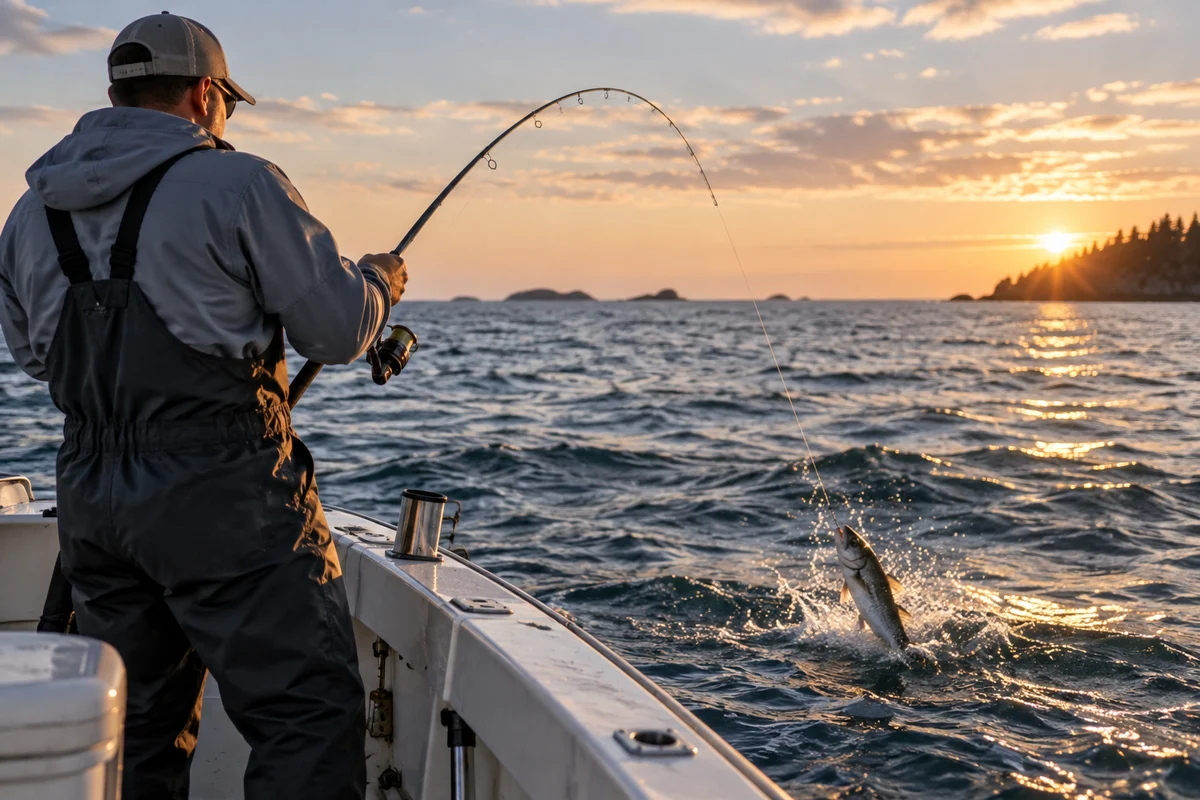
How to clean striped bass well comes down to a few controlled cuts and careful handling—not speed. With a stable board, a sharp flexible fillet knife, and a plan to keep the fish cold, you can separate two clean sides, remove the rib bones, and decide whether to leave the skin on. The method below works for a legally kept fish that has been handled safely; local size, season, and possession rules vary, so check them before cleaning.
What do you need before cleaning striped bass?
Set up a non-slip cutting board, a sharp fillet knife, a separate bowl or tray for the fillets, and a container for scraps. Keep a clean towel nearby, but don’t use a loose towel to grip fish close to the knife edge. A cut-resistant glove can add protection, though it does not replace a secure hold and slow movements. If you are cleaning outdoors, choose a clean surface away from sand, bait, and fuel, and have potable water available for rinsing the board and tools.
Keep the fish cold while you work. If it has been out of refrigeration, place it in a cooler with ice as soon as practical, and protect the meat from standing meltwater. Wash hands before and after handling raw fish; clean and sanitize the board, knife, and nearby surfaces when finished. The FDA’s food safety guidance offers broader advice on handling and storing food.
Decide whether you want skin-on fillets before starting. Leaving skin on can help hold a fillet together during cooking; removing it gives you skinless portions. Either way, the backbone and rib cage are the landmarks that guide the main cuts.
Should you scale or gut striped bass first?
For a fillet-only preparation, you can usually remove the sides without scaling or gutting the whole fish first. This keeps the work focused on the meat and avoids cutting into the belly contents. If you plan to cook the fish whole or use the head and frame, scaling and gutting may be part of your preparation instead. Those are separate tasks, so don’t assume a fillet method covers them.
Rinse off visible debris with clean water and pat the outside dry enough to control. Lay the fish on its side with the head facing your knife hand. Make a shallow cut just behind the gill plate, angling down until the blade meets the backbone. Don’t hack through the spine; the goal is to create a starting cut that reaches the bone and outlines the front of the fillet.
Turn the blade so it faces toward the tail. Keep the edge just above the backbone, using the bones as a guide rather than forcing the knife through them. Short, even strokes help you feel where the blade is traveling and limit wasted meat.
How do you cut the first striped bass fillet?
Starting at the cut behind the gill plate, run the knife along the top of the backbone toward the tail. Keep the blade nearly parallel to the board and let it track over the bones. Use your free hand to lift the loosened flesh gently, keeping fingers clear of the cutting path. The fillet should open as a broad flap; if it resists, stop and check whether the blade has drifted into bone or skin instead of pushing harder.
As you reach the rib cage, angle the blade around the ribs while keeping as much meat as possible on the fillet. Use small strokes to follow the curve of the bones. Continue toward the tail, then separate the fillet at the tail end with a controlled cut. Avoid sawing wildly: repeated forceful strokes can tear the flesh and make the knife harder to control.
Lift the fillet and inspect its underside. If rib bones remain attached, lay the fillet flat and trim them away with shallow cuts, keeping the blade close to the bones. Remove only what you need to; aggressive trimming can discard good meat. Put the finished side on a clean tray and keep it cold while you work on the other side.
How do you remove the second fillet and pin bones?
Turn the fish over and repeat the same sequence: cut behind the gill plate, follow the backbone toward the tail, work around the ribs, and release the tail end. The first cut may give you a clearer sense of the fish’s shape, but the second side still needs the same patient, bone-guided approach.
Run clean fingertips lightly over the center line of each fillet to feel for small pin bones. Their position and number can vary, so inspect the meat rather than relying on a fixed count. If you find bones, use clean fish tweezers or pliers to pull them out in the direction they point. Pulling straight up can tear the flesh; work steadily and recheck the area afterward. You can also make a narrow V-shaped trim along the pin-bone line, but that removes some meat.
Check both fillets for scales, loose bones, and any damaged or contaminated areas. If anything looks or smells abnormal, don’t try to make it acceptable by trimming around it. Keep food-safety decisions conservative, and discard fish when you have a reason to doubt its condition.
How do you skin a striped bass fillet?
If you want skinless meat, place a fillet skin-side down on the board with the tail end nearest you. At the tail, make a small cut through the flesh down to—but not through—the skin. Hold the skin tab securely, angle the knife slightly toward the skin, and move the blade forward with short strokes while drawing the skin back. Keep the edge nearly flat so it separates flesh from skin instead of cutting through either one.
If the fillet slides, pause and reposition it rather than gripping closer to the blade. A little flesh left on the skin is better than a cut hand or a ragged fillet. For skin-on cooking, leave the skin intact and remove any remaining scales by scraping gently from tail toward head before portioning. Rinse only when needed to remove loose debris, then pat dry with clean paper towels.
How should you portion and store the fillets?
Cut the fillets into portions suited to the meal, trimming ragged edges if desired. Keep raw portions separate from ready-to-eat food, and return them to a refrigerator or well-iced cooler promptly. Use clean, covered containers or food-safe wrapping to limit contact with other items. For longer storage, wrap portions tightly, label them with the date, and freeze them; thaw frozen fish under refrigeration rather than leaving it at room temperature.
Don’t leave fish sitting in water or in a warm vehicle while you finish cleaning. Keep scraps contained and dispose of them responsibly under local rules. Wash and sanitize the work area, then wash your hands. For general seafood-storage and handling advice, consult current guidance from a public food-safety authority rather than relying on smell or appearance alone to judge every risk.
What should you check before keeping striped bass?
Fishing rules differ by location and can change. Before retaining a fish, confirm the applicable season, size limit, possession limit, and any special area rules with the agency responsible for the water where it was caught. NOAA Fisheries provides information on Atlantic striped bass and management; state and regional regulations may add requirements. Cleaning a fish does not establish that it was legal to keep.
Species identification matters, too. A striped bass is not interchangeable with other coastal fish for regulation or handling purposes. For related saltwater reading, see our account of a reported world-record black drum catch, and our explainer on Atlantic bluefin tuna stock assessment. For more fishing coverage, visit the saltwater fishing hub.
The useful habit is simple: identify the fish, verify the rules, keep it cold, and make deliberate cuts that follow the bones. A sharp knife and a clean setup make the process more controlled, while a final pin-bone check makes the fillets easier to prepare at home.
Frequently asked questions
Do you have to scale striped bass before filleting it?
Not usually for a fillet-only method. You can remove the sides without scaling the whole fish; if you want to cook it skin-on, remove any scales that remain before cooking.
How do you know if striped bass fillets still have pin bones?
Lightly run clean fingertips along the center line of each fillet. Remove any bones you feel with clean tweezers or trim a narrow strip along the bone line.
Should striped bass be rinsed after filleting?
Rinse only as needed to remove debris, using clean water, and pat the fillets dry. Keep them cold and clean the board and tools after handling raw fish.
Sources & further information
Consult these primary sources for current regulations, technical information and local guidance.