Independent outdoor reading • Under new ownership since 2026Meet the new ODU Magazine
ODU MagazineFISHING · HUNTING · LIFE OUTSIDE

Good questions.
Better days in the outdoors.

The ODU topic guide

Predator Hunting: Signs, Seasons & Setups

Predator hunting begins with a plan for a particular species and place, not a universal setup. Check current seasons, legal methods, tagging rules, land access and any limits on electronic calls or night hunting before leaving home. Then ask what evidence supports a visit: tracks, scat, prey activity, recent sightings or suitable habitat. Sign can be difficult to interpret, especially after rain, wind or heavy human traffic, so keep expectations flexible and avoid treating one clue as proof of an animal’s routine.

Choose a stand with a clear view and safe backstop, while accounting for wind direction, approach routes and other hunters’ likely access. Keep calls and movement modest enough to avoid alarming wildlife, and decide in advance how you will identify the target and what lies beyond it. Camouflage does not replace quiet movement, patience or firearm and archery safety. Tell someone your location and return time; carry navigation, weather protection and a communication plan appropriate to the terrain.

Conditions change quickly: wind shifts can compromise a setup, and darkness, cold or rough footing can make a short walk hazardous. Set a turnaround time, know when to leave an unproductive stand, and follow local rules for carcass handling and transport. For broader seasonal reporting and planning context, explore hunting news and the wider topic index.

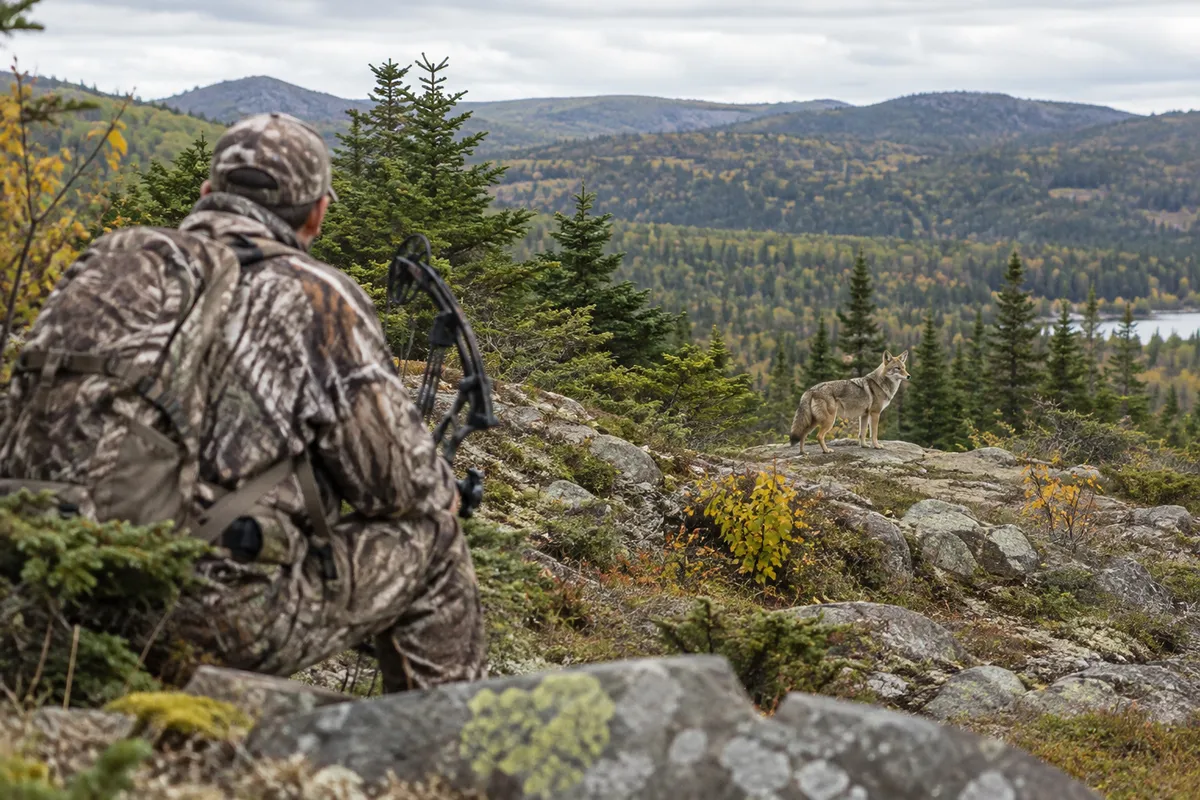
Predator Hunting: Signs, Seasons & Setups — AI-generated editorial illustration
AI illustration. Illustrative scene, not documentary evidence.

In this reading room

All topics →