How to Call Wolves: Using a Howler Call Responsibly
A practical, safety-first guide to wolf howler calls: what the sounds may communicate, how to use them without overconfidence, and why local rules and restraint matter.
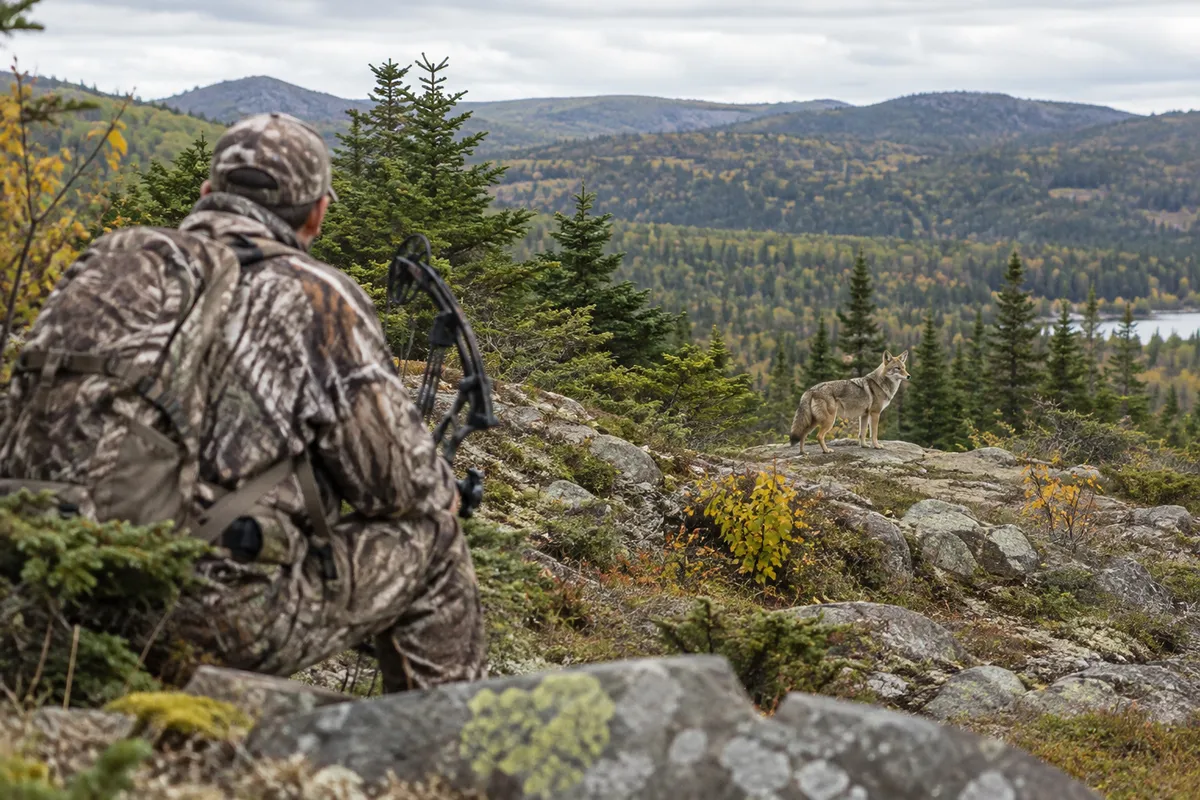
Learning how to call wolves with a compact howler call starts with a realistic goal: make a sound that fits the landscape, then listen and respond cautiously. A call can imitate wolf vocalizations, but it cannot guarantee a response or reveal exactly what an animal is doing. Wolf presence, season, local regulations, access, wind, and disturbance all shape whether calling is appropriate. Treat a Lil’ Red Wolf Howler—or any similar hand call—as one small part of informed wildlife observation, not a promise of action.
What a wolf howler call can and cannot do
A howler is a sound-making instrument intended to produce vocalizations associated with wolves. Depending on the design and the user’s breath and technique, it may create long howls or shorter, rougher sounds. The name or marketing description alone does not establish a call’s precise range, acoustic character, or effectiveness. If the manufacturer provides instructions, use those for the particular instrument rather than assuming every call behaves alike.
Wild canids vocalize for different reasons, including maintaining contact and signaling. A sound heard in the field does not reliably tell a listener an animal’s age, sex, location, or intent. Likewise, a reply—or silence—does not prove that wolves are present or absent. Terrain, wind, vegetation, distance, and other sounds can mask a response. Keep expectations modest, and do not interpret a single vocalization as a definitive identification.
Check whether calling is legal and appropriate
Before taking a call outdoors, identify the species and jurisdiction you are dealing with. Wolf protections and hunting rules vary by location and can change. Some places prohibit pursuit or harassment even when a person is not carrying a firearm; other areas may have specific seasons, licensing requirements, closures, or restrictions on electronic calls. Regulations can also differ across public and private lands.
Consult the relevant state or provincial wildlife agency for current rules, and confirm land access with the manager or owner. Federal protections may also apply. The U.S. Fish and Wildlife Service provides federal wildlife information, while state wildlife agencies publish local regulations and updates. If you cannot establish that an activity is permitted, do not call. A general article or an old forum discussion is not a substitute for current official rules.
Choose a place with care
If calling is allowed and your purpose is lawful, choose a location where you can remain safely and avoid disturbing people, livestock, and wildlife unnecessarily. Get permission before entering private property. On public land, check posted restrictions and seasonal closures. Avoid areas near homes, roads, trailheads, campgrounds, or places where a sound could be mistaken for an emergency or provoke concern.
Think about wind and visibility before making any sound. Wind can carry a call away from the area you intend to observe, and dense cover can make it difficult to see what is approaching. Position yourself with a clear, safe view of the immediate surroundings, and do not call toward roads, occupied buildings, or other people. If visibility is poor or you cannot identify what is in the area, put the call away and leave the site undisturbed.
Use restrained sound and patient listening
For a hand howler, begin by following the maker’s basic guidance and learning the instrument in a controlled setting where the sound will not disturb wildlife or neighbors. A simple, measured vocalization is a better starting point than a long sequence of loud, repeated blasts. Make a brief sound, then pause and listen. The pause matters: continuous calling can make it harder to detect a response and increases disturbance without adding certainty.
There is no universal sequence that works in every landscape. Avoid claiming that a particular number of calls or a particular pitch guarantees a response. If you hear a distant vocalization, wait quietly and assess what you can actually establish. Do not approach an animal to force another response, and do not keep escalating volume or frequency because nothing happens. The most useful outcome may be an uneventful period of listening.
Keep observation separate from pursuit
Calling can attract attention, but it should not become an excuse to approach, crowd, or pressure wildlife. Maintain a respectful distance and use binoculars or a camera with a suitable lens rather than closing in. Never corner an animal, block an escape route, or use a call around a den or suspected pup-rearing area. If an animal appears stressed, changes direction repeatedly, or comes closer than is comfortable, stop calling and give it room.
Do not use a call to lure wildlife toward roads, pets, livestock, or other hazards. Keep dogs under control and follow local leash rules. Pack out everything you bring in, and avoid leaving food or scent attractants. These basic precautions reduce conflicts and help keep observation from becoming an avoidable disturbance.
Identify what you hear without guessing
A howl-like sound is not automatically a wolf. Coyotes, domestic dogs, and other animals can produce vocalizations that carry over distance, and echoes may alter what a listener hears. Record the time, general location, weather, and sound characteristics from a distance, but label uncertain observations as uncertain. A recording may help you review a sound later, though it does not replace expert identification or official reporting procedures.
Regional context can help you ask better questions, but sightings are not proof of a particular animal’s identity. For example, readers exploring canid reports can see our overview of black coyote reports in Michigan. That subject is distinct from wolf calling; color alone is not a reliable way to identify a species. For broader lawful field practices and related predator topics, visit more outdoor coverage.
Consider equipment and safety before going out
A call does not determine what equipment is lawful or suitable for a field activity. If your plan involves hunting, consult the exact regulations for species, season, location, method, and permitted equipment before leaving home. Do not infer a legal firearm or ammunition choice from a call’s name or from advice intended for coyotes. Our discussion of the best coyote hunting rifle cartridge addresses a different species and should not be treated as guidance for wolves.
Tell someone where you are going and when you expect to return. Carry a charged phone or other appropriate communication device, dress for conditions, and know your route back. If you are in an area where wolves may occur, keep a respectful distance, do not feed or approach them, and follow wildlife-agency guidance for encounters. If conditions, visibility, or the legal situation are uncertain, the safest choice is to stop and leave.
Common mistakes to avoid
The most common mistake is treating a call as a reliable test for wolf presence. Silence is inconclusive, and a response may come from another animal or from a location that is difficult to judge. Another mistake is calling repeatedly in a sensitive area simply because the first attempt produced no obvious result. Restraint is more responsible than turning uncertainty into additional disturbance.
Also avoid relying on outdated rules, assuming that a public-land designation means every activity is allowed, or approaching an animal for a closer look. Do not imitate a sound near homes or trails where people could misinterpret it. A call is a tool, not a guarantee, a species-identification device, or permission to pursue wildlife. When used lawfully and sparingly, it can be part of attentive outdoor observation; when the rules or circumstances are unclear, leave it packed away.
FAQ
Does a wolf howler call guarantee that wolves will answer?
No. A response depends on many conditions, and silence does not establish that wolves are absent. Other animals and echoes can also complicate identification.
Is it legal to use a wolf call where I live?
Rules vary by jurisdiction, land, season, and purpose. Check current regulations with the responsible wildlife agency and land manager before using any call.
Should I approach a wolf that responds?
No. Keep your distance, do not try to draw the animal closer, and stop calling if it approaches or appears disturbed. Follow local wildlife-agency advice for encounters.
Frequently asked questions
Does a wolf howler call guarantee that wolves will answer?
No. A response depends on many conditions, and silence does not establish that wolves are absent. Other animals and echoes can also complicate identification.
Is it legal to use a wolf call where I live?
Rules vary by jurisdiction, land, season, and purpose. Check current regulations with the responsible wildlife agency and land manager before using any call.
Should I approach a wolf that responds?
No. Keep your distance, do not try to draw the animal closer, and stop calling if it approaches or appears disturbed. Follow local wildlife-agency advice for encounters.
Sources & further information
Consult these primary sources for current regulations, technical information and local guidance.