Black Coyote Michigan: What a Sighting Can Tell You
A dark-coated coyote can stand out, but color alone does not identify a new species or signal danger. Here’s how to document a sighting responsibly and understand what it can—and cannot—tell you.
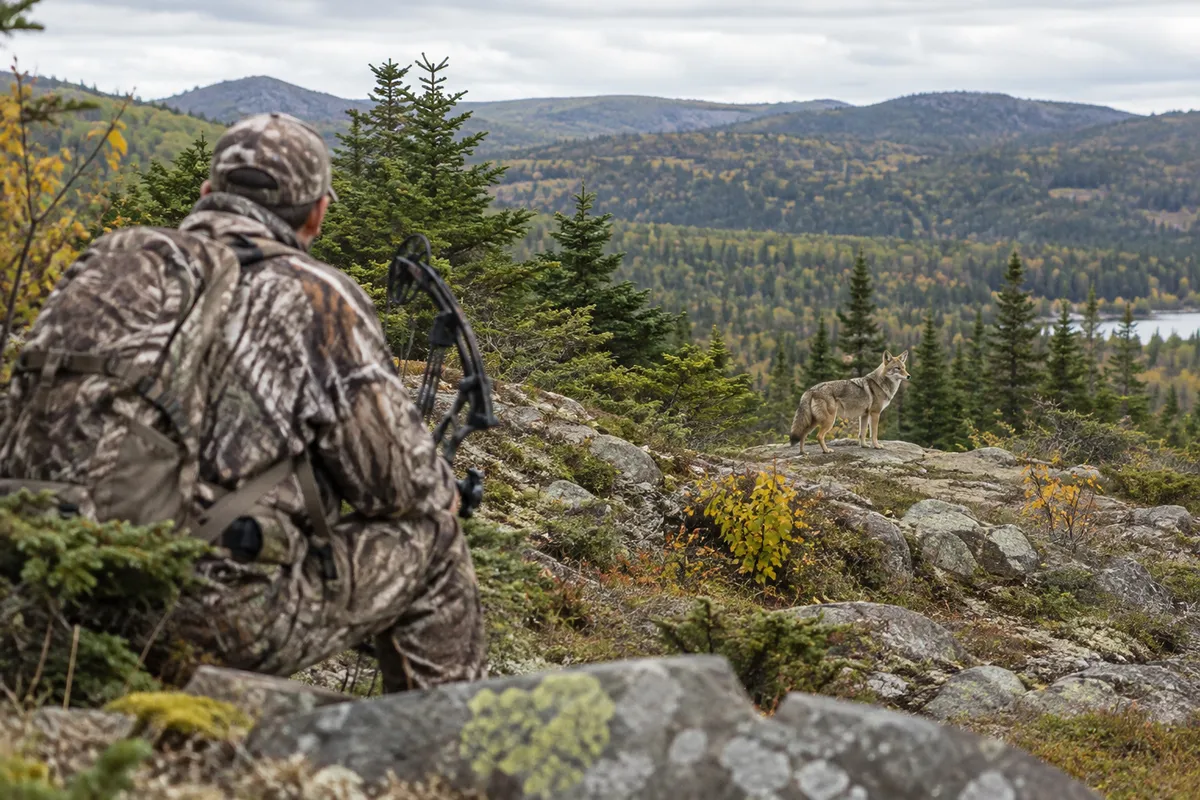
A black coyote Michigan sighting can be memorable: a dark animal moving along a field edge or crossing a road looks very different from the familiar tawny-gray coyote. Coat color is only one observation, however. It does not by itself establish the animal’s identity, health, behavior, or whether it poses a threat. A careful description, a safe distance, and a report to the appropriate wildlife office when warranted are more useful than trying to approach or follow it.
What does a black coat mean?
Coyotes vary in coat color, from gray and reddish shades to unusually dark coats. A dark appearance can result from inherited pigmentation variation; lighting, wet fur, shadows, and the distance at which an animal is seen can also affect what a witness perceives. A brief glimpse is not enough to determine the cause of a coat color or verify a rare genetic trait.
A black coat does not mean the animal is a different species, a wolf, or a hybrid. Those conclusions cannot be made reliably from color alone. Body proportions and movement may offer clues to trained observers, but photographs at a distance and a precise location are still more useful than a confident guess. In Michigan, the practical first step is to record what you actually saw and avoid adding conclusions that the observation cannot support.
How to observe a coyote without disturbing it
Stay where you are if the animal is not creating an immediate hazard. Use binoculars or a phone camera from a safe place, such as inside a vehicle or from a building. Do not approach for a closer picture, corner the animal, or follow it into brush. Give it a clear route away from people and pets.
Note the date and approximate time, the nearest road or public landmark, the direction it traveled, and the habitat: for example, a wooded edge, farm field, park, or neighborhood. Describe the coat as it appeared in the available light and mention whether the animal was alone or with others. If you take a photo, keep the original rather than relying on a heavily edited image. A distant, unaltered image is often more useful than a close image obtained by getting too near.
These details help separate a useful wildlife observation from a story that may be difficult to check. They also keep the report focused on the animal’s location and behavior rather than on speculation about its origin.
When is a sighting worth reporting?
A coyote seen moving through suitable habitat, especially at a distance and without threatening behavior, may simply be an ordinary wildlife observation. A report is more appropriate when the animal repeatedly approaches people, appears injured or disoriented, is trapped, or presents a specific public-safety concern. For an immediate danger, contact local emergency services rather than trying to manage the animal yourself.
For non-emergency wildlife questions, consult the Michigan Department of Natural Resources (DNR) and follow its current instructions for reporting or seeking help. Reporting channels and local guidance can change, so use the agency’s official information rather than an old phone number or a social-media post. Include observations you can support and clearly label anything uncertain.
Do not feed a coyote to make it return for a photograph. Feeding can encourage wildlife to associate people with food, creating avoidable conflict. Keep household trash secured, do not leave pet food outdoors, and supervise pets, particularly around dawn, dusk, and night. These common-sense steps reduce attractants without requiring anyone to pursue or handle wildlife.
What should you do if you encounter one?
Give the animal space and keep children and pets close. If a coyote comes nearer than you are comfortable with, remain calm, face it, and make your presence known while backing toward a safer place; do not run toward it or try to touch it. If it does not leave, or the situation is unusual, prioritize getting indoors or into a vehicle and contact local authorities for advice.
A coyote that is merely visible is not necessarily habituated or aggressive. Consider the circumstances: Was it passing through, feeding, or repeatedly approaching? Was a pet or food source nearby? One sighting cannot establish a pattern. If encounters recur, record dates and locations and ask local officials what steps are appropriate for that area.
How to tell a useful report from an unverified claim
Online posts sometimes attach a dramatic label to a dark animal without enough evidence to verify the species or circumstances. Treat a claim as unconfirmed unless it includes a credible source or documentation that can be evaluated. Even a clear photograph may not answer every question, particularly if it lacks a location, scale, or context.
A responsible report distinguishes observation from interpretation: “dark-coated canine, seen near a field at dusk” is more precise than “rare wolf” when the observer did not establish that identification. Avoid sharing an exact location if doing so could attract crowds or put the animal at risk. If officials need details, provide them through an appropriate reporting channel.
For broader predator and wildlife reading, see more outdoor coverage. Related articles include how to call wolves and a coyote hunting cartridge overview; neither changes the basic rule for a wildlife sighting: observe from a safe distance and follow current local guidance.
Keep wildlife observation separate from hunting decisions
A sighting is not a reliable way to infer abundance, population trends, or hunting rules. Regulations and seasons can vary, and they may change; consult the current Michigan DNR rules before any hunting activity. Do not treat a coat-color report as permission to pursue an animal or as evidence that a local population has changed.
The most useful response to a black coyote sighting is usually straightforward: stay back, make a factual record, reduce food attractants, and contact officials if the behavior or circumstances warrant it. That approach protects people and pets while leaving wildlife decisions to the agencies responsible for them.
Frequently asked questions
Does a black coat prove a coyote is a different species?
No. Coat color alone does not establish species or ancestry. Coyotes can vary in appearance, and lighting can make identification harder; report observable details rather than guessing.
Should I approach a black coyote to get a better photograph?
No. Keep a safe distance and use a camera or binoculars from a protected place. Do not follow, corner, feed, or handle the animal.
Who should I contact about a concerning coyote encounter in Michigan?
For non-emergency wildlife concerns, consult the Michigan Department of Natural Resources and its current guidance. For an immediate danger, contact local emergency services.
Sources & further information
Consult these primary sources for current regulations, technical information and local guidance.