Thundermist Lures: How to Choose and Fish Them
A practical guide to evaluating Thundermist lures by design and fishing situation, with a field framework for choosing, rigging, and refining a presentation without relying on hype or unverified product claims.
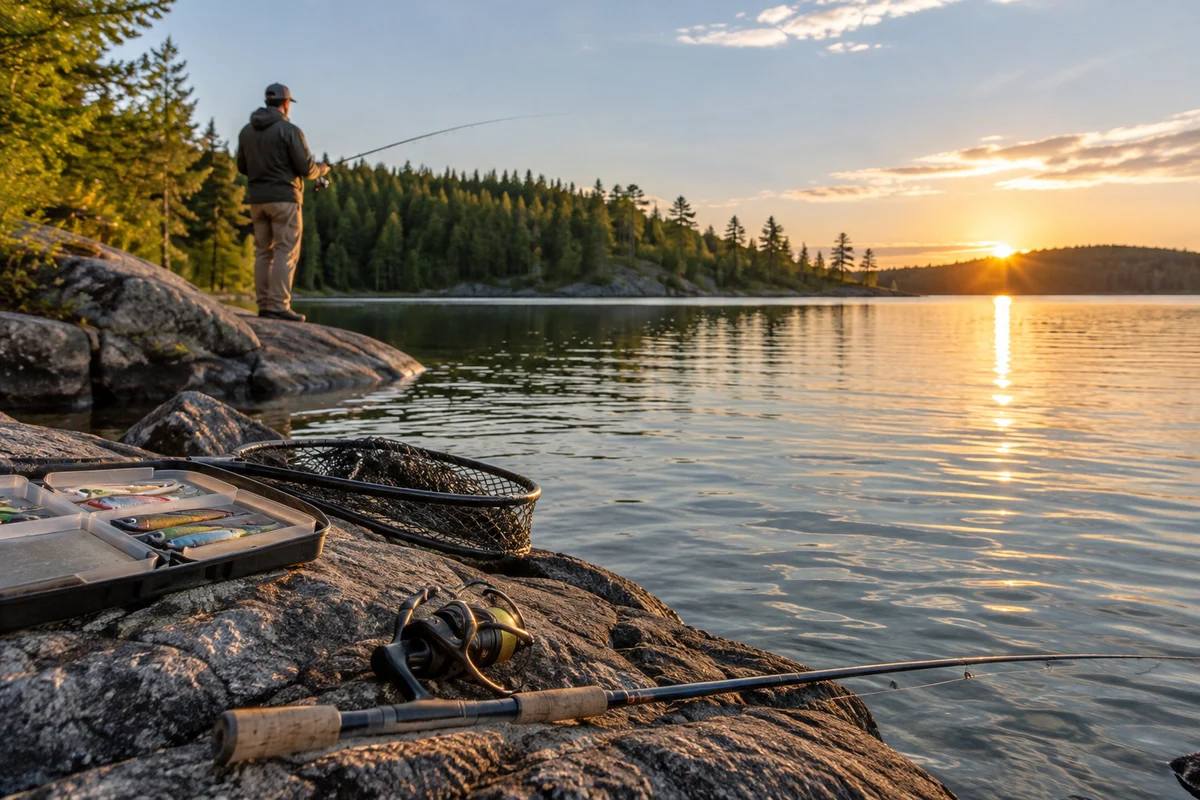
Thundermist lures are best approached as tools for matching a presentation to local conditions—not as automatic fish-finders. The useful questions are straightforward: what forage are you trying to suggest, where are fish holding, and how can you keep a lure in that zone at a controlled pace? Those questions matter more than a product’s name or a promise that it will work everywhere.
Thundermist is a fishing-tackle brand with a range of lure and terminal-tackle offerings. Specific models, colors, components, and availability can change, so check the manufacturer’s current catalog and instructions before making assumptions about a particular item. This guide focuses on a repeatable way to assess a lure and fish it thoughtfully, whether you are browsing the brand’s lineup or comparing it with other options.
What should you look for in Thundermist lures?
Start with the lure’s physical design and intended presentation. Look at its profile, size, weight, hooks, attachment points, and any moving or flexible parts. Then ask what those features are likely to do in the water. A broad profile may displace more water than a narrow one; extra weight can help a lure reach depth or cast farther, while a lighter option may descend more slowly. These are general principles, not a guarantee of how a specific model behaves.
Read the package and product description carefully. Confirm whether the lure is intended to be cast, trolled, jigged, or used with a particular type of rig. Do not infer a model’s action, materials, or compatible techniques from its name alone. If the instructions are unclear, consult the manufacturer rather than improvising around an unverified claim.
Color is a secondary decision. Water clarity, light, and the color of local forage can guide a starting choice, but fish do not respond to a fixed color rule. Two similar colors may be difficult to distinguish at depth, and the same lure can look different under cloud cover or in stained water. Choose a sensible baseline, then adjust one factor at a time.
How do you match a lure to water and fish?
Use a simple field decision framework. First identify the likely depth: shallow cover, a shoreline edge, a drop-off, or open water. Next consider visibility and current. Finally choose a lure weight and presentation that let you work through the target zone without constantly snagging or racing past it.
| Situation | Starting consideration | What to observe |
|---|---|---|
| Clear, calm water | A restrained profile and controlled movement may be less intrusive | Whether fish follow, inspect, or ignore the lure |
| Stained water or low light | A more visible profile or vibration may help fish locate it | Whether strikes occur at a particular depth or retrieve speed |
| Wind or current | Enough weight to maintain contact and control | Line angle, bottom contact, and whether the lure sweeps out of the zone |
| Shallow weeds or wood | A presentation that can be retrieved above or alongside cover | Where the lure catches and whether fish use nearby openings |
| Open water | A lure that can reach the observed depth consistently | Whether bites cluster at a depth, time, or speed |
Treat these as starting points, not prescriptions. Local species, seasonal behavior, regulations, and habitat all affect the right choice. A basic fishing-tips hub can help place lure decisions in a broader freshwater approach. If your setup includes electronics, compare what you see on the water with the practical limitations discussed in how fishfinder comparisons work; a display can inform a search, but it does not identify every fish or dictate a successful lure.
How should you test a lure on the water?
Begin with a known, manageable presentation. Tie or rig the lure according to its instructions and inspect the knot, hook point, and hardware before casting. Make several controlled casts or passes through a defined area. Keep the retrieve consistent long enough to learn how the lure behaves, then change one variable—depth, speed, cadence, or color—rather than changing everything at once.
A short fishing log makes that process more useful. Record the date, general location, weather, water clarity, depth, lure configuration, and what happened. Note follows and missed strikes as well as landed fish. A follow may suggest that fish can see the lure but are not committing; a snag pattern may show that the presentation is spending too much time in cover. Neither observation proves a single cause, but each helps guide the next adjustment.
Avoid treating one good outing as proof that a lure is universally effective. Fish activity changes with season, water temperature, forage, pressure, and time of day. If a lure is quiet, first confirm that you are fishing where fish are likely to be and that your retrieve reaches that depth. Then test a modest change. Rotating through many colors and models without a plan can make it impossible to learn what mattered.
Anglers who compare brands can use the same method with other tackle. For example, the overview of Spooltek lures offers a related point of comparison: focus on what a product is designed to do, and verify current details rather than assuming every model shares the same features. Manufacturer descriptions are useful for intended use; on-water observation tells you whether that use fits your conditions.
What should you check before and after fishing?
Use this compact checklist to make a fair evaluation:
- Confirm the model’s intended technique and current instructions.
- Match lure weight to the depth, wind, current, and cover you face.
- Check hooks, split rings, knots, and line for damage before use.
- Start with one presentation and keep the retrieve reasonably consistent.
- Change one variable at a time and note the result.
- Follow local rules for seasons, species, tackle, and access.
- Rinse and dry tackle as appropriate for its materials and environment; inspect it before storage.
Hook safety deserves attention. Keep points covered during transport, use appropriate tools when handling a deeply hooked fish, and avoid placing fingers near exposed hooks. Handle fish with care and follow local guidance on retention, release, and protected species. The U.S. Fish and Wildlife Service provides broad information about fish and aquatic resources, while state wildlife agencies are the right authority for local fishing regulations.
Are Thundermist lures right for every angler?
No lure brand is a universal answer. A particular model may suit an angler’s target species, technique, and local water, while another option may be a better fit for different depth, cover, or casting needs. Consider the whole setup: rod, reel, line, lure weight, and your ability to present it safely and consistently. A lure that is difficult to control is unlikely to help simply because it is popular.
The most reliable approach to Thundermist lures is to verify the exact model, define the fishing problem, and test the lure under repeatable conditions. Let the manufacturer’s current information establish what the product is intended to do; let careful observation help determine whether it works for your water. That keeps the decision practical, improves what you learn on each trip, and avoids mistaking marketing language for a fishing plan.
Frequently asked questions
How do I choose a Thundermist lure for a specific fish?
Identify the fish’s likely depth and habitat, then check the exact model’s current intended use and instructions. Match its size and weight to the conditions, and adjust based on observation.
Can I assume all Thundermist lures use the same technique?
No. Models can differ in design and intended presentation. Check the manufacturer’s current product information instead of inferring features from a name or from another model.
What should I change first if a lure gets no bites?
Confirm that you are fishing a plausible depth and location. Then change one factor—such as retrieve speed, depth, or color—and keep notes so you can tell which adjustment may have mattered.
Sources & further information
Consult these primary sources for current regulations, technical information and local guidance.