Nature Blinds Tree Blinds: Choosing and Using a Tree-Stand Blind
A practical guide to evaluating tree-stand blinds for fit, concealment, visibility, and safe use. Learn what to inspect before the season and how to avoid common setup mistakes.
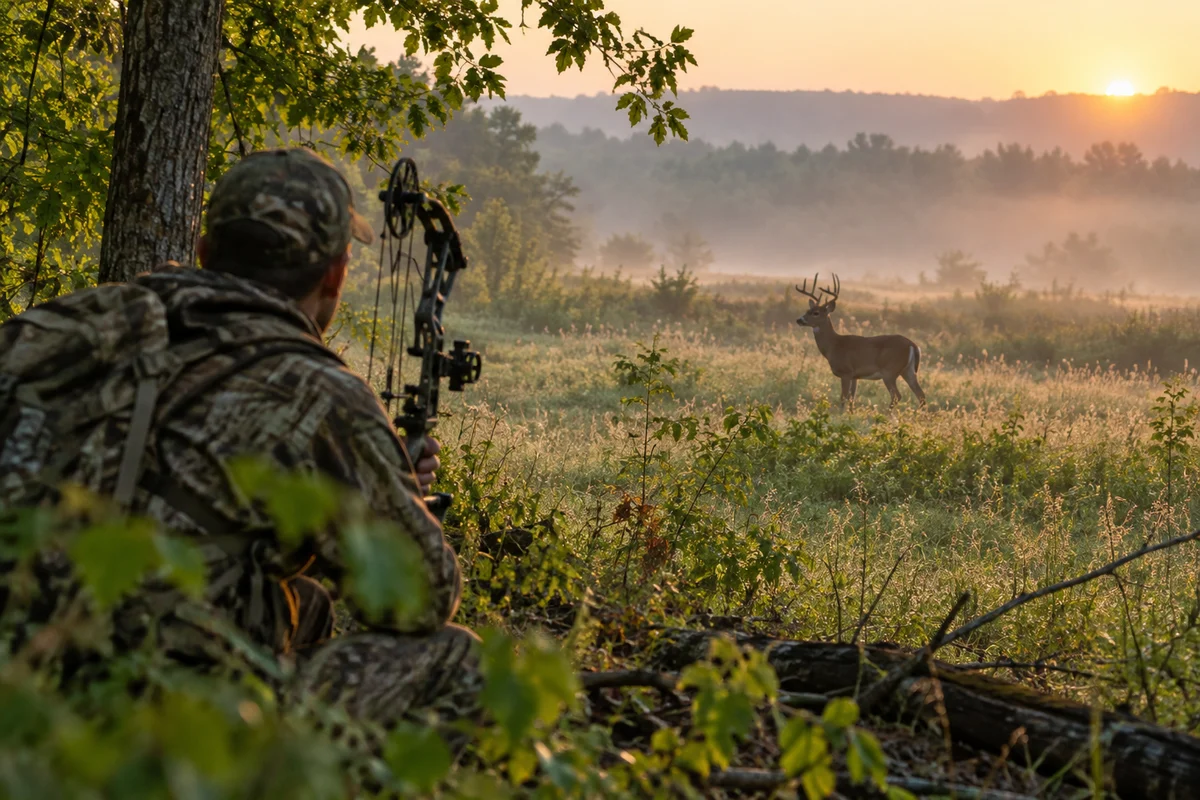
A nature blinds tree blinds setup can make a tree stand feel less exposed, but a fabric enclosure is not a substitute for a safe stand, suitable tree, or clear view of your surroundings. The useful question is not simply whether a blind hides a hunter; it is whether a particular enclosure fits the stand, permits deliberate movement, and can be secured without interfering with climbing or fall-protection equipment. Product names and available configurations can change, so use the current manufacturer instructions for exact compatibility and installation details.
This guide focuses on general evaluation rather than unverified specifications for a particular model. Before using any enclosure, identify the stand type, inspect its condition, and decide whether the extra material will improve your setup or create more problems than it solves. For broader seasonal considerations and related topics, visit the hunting and archery hub.
What should you check before choosing a tree blind?
Start with the platform, not the catalog. Measure the usable floor area and note the location of the seat, rails, support bars, climbing components, and any safety-system attachment points. A blind that appears roomy in a product photo may crowd a narrow platform or block access to a buckle. If the enclosure is intended for a specific stand family, verify that exact compatibility with the current manufacturer information rather than assuming that similar-looking stands share dimensions.
Then consider the enclosure’s shape and opening layout. A useful design should let you see the approaches relevant to your hunting location without requiring repeated, large movements. Check whether the window arrangement suits both your seated position and likely changes in posture. Mesh, fabric, and other panels can affect sightlines and ventilation differently; ask the manufacturer about materials and care if those details matter to your conditions.
Finally, consider the tree and the site. A blind designed around a particular stand still has to work on the tree you select. Branches, trunk shape, prevailing wind, nearby vegetation, and the direction of likely animal movement all influence whether the enclosure fits and whether it creates a conspicuous outline. Never choose a tree or stand location solely because the blind is easy to attach there.
How do you compare the main trade-offs?
Use this field decision framework before settling on an enclosed or open setup:
| Consideration | A tree blind may help when… | Reconsider or adjust when… |
|---|---|---|
| Concealment | The enclosure breaks up movement and blends with the immediate surroundings. | Its silhouette contrasts with the trunk or forms a large, unnatural shape. |
| Sightlines | Openings cover the directions you need from your normal seated position. | Fabric, rails, or panels obstruct important views or require awkward repositioning. |
| Platform space | The blind fits without crowding the seat, rails, or safe movement area. | It catches on equipment, narrows access, or crowds the platform. |
| Weather exposure | The design offers useful shelter for the conditions described by its maker. | You assume it is weatherproof or suitable for severe conditions without confirmation. |
| Installation | The manufacturer’s directions match the stand and can be followed without altering safety gear. | Attachment would interfere with a harness, climbing system, or stand structure. |
| Transport and storage | The packed form is manageable and can be dried and stored as directed. | Bulk, wet fabric, or difficult packing makes regular inspection and care unlikely. |
These are practical comparisons, not performance claims about a specific product. If a maker does not publish a detail you need—such as exact fit, material care, or compatibility—contact the manufacturer or consult the original manual. Do not infer a feature from a product name or an old announcement.
How can you plan a safer setup?
Treat the blind and the stand as separate pieces of equipment that must work together. Read the stand and blind instructions before heading into the field. Follow the stand maker’s requirements for tree selection, attachment, use, inspection, and load limits. Use a full-body fall-arrest system in accordance with its instructions and established tree-stand safety guidance. The enclosure must not block access to the system, alter how it attaches, or encourage climbing while carrying gear in a way the stand maker warns against.
At ground level, inspect all visible fabric, seams, fasteners, and attachment points for damage or wear. Check the stand itself for corrosion, cracks, loose parts, or other changes that call its condition into question. Do not use damaged equipment; contact the manufacturer when repair or compatibility is uncertain. Never drill, cut, bend, or otherwise modify a stand or blind to force a fit.
A dry run can reveal practical problems. Follow the maker’s directions for any trial setup, and check from the intended seated position whether you can see clearly and move without snagging the enclosure. Confirm that entry, exit, and access to safety equipment remain unobstructed. If a panel flaps, catches on hardware, or blocks an important view, do not assume it will behave better once elevated. Revise the plan or choose a different location or setup.
For more context on concealment options at ground level, see our overview of natural ground blinds for deer hunting. It addresses a different style of hide, but the same basic question applies: does the setup fit the place and preserve safe, practical movement?
Will a blind improve concealment?
It can reduce the visibility of some movements, but results depend on the setting and the way the blind is used. A large, sharply outlined shape may stand out against open sky or a bare trunk. A panel that moves in wind can attract attention, and a window opening can expose movement if it is poorly oriented. Concealment is therefore a combination of placement, background, restraint, and the enclosure itself—not a guarantee delivered by a product.
Inspect the view from likely approach directions when it is safe and practical to do so. Consider how the setup looks against the background at different light levels, while avoiding unnecessary disturbance to the site. Keep openings positioned for the views you need and avoid constant adjustments. If the structure looks conspicuous from the ground, reconsider the location or whether an enclosure is appropriate there.
Other gear may support observation or planning but cannot compensate for an unsafe stand. A trail-camera comparison can help readers think about the distinction between monitoring equipment and equipment used in a hunting position; it should not be treated as evidence that a particular blind will conceal a hunter or improve results.
What maintenance does a tree blind need?
After use, follow the manufacturer’s instructions for cleaning, drying, and storage. Do not put damp fabric away for long periods if the maker calls for it to be dry first. Inspect seams, closures, ties, and attachment points before each season and after rough handling. Check that no new tear or stretched connection could compromise the enclosure’s stability or interfere with other equipment.
Store the blind so it is not crushed, exposed to avoidable moisture, or left where rodents and other pests can damage it. Keep its manual and any compatibility information with the equipment. If the blind has changed shape, a fastener no longer holds securely, or you are unsure whether a repair is acceptable, seek guidance from the manufacturer instead of improvising a fix.
Regulations are another part of the preparation. Rules about hunting methods, stand placement, access to public land, and seasons vary by jurisdiction and may change. Check your state wildlife agency’s current rules for the specific unit and season. The U.S. Fish and Wildlife Service provides a starting point for federal wildlife information, but it does not replace state and local rules.
A simple pre-season checklist
Before taking a tree blind into the field, confirm each point:
- The blind’s current instructions and stand compatibility are known.
- The stand and all related safety equipment have been inspected and are in serviceable condition.
- The enclosure fits without covering attachment points, blocking access, or crowding safe movement.
- Openings provide the needed view from the position in which the hunter will remain.
- Fabric, seams, closures, and attachment points show no concerning damage.
- A plan exists for drying, storage, and checking the equipment after use.
- Current wildlife and land-access regulations have been checked for the exact location.
Nature blinds tree blinds are best judged as one component of a larger setup. Fit and visibility matter, but so do the tree, stand, weather, care, and the hunter’s ability to follow safety instructions without obstruction. When a manufacturer’s published information is unclear, verify it directly; when equipment is damaged or incompatible, leave it out of service. A conservative decision in the field is more useful than trying to make an uncertain setup work.
Frequently asked questions
Are Nature Blinds tree blinds compatible with every tree stand?
Do not assume universal fit. Check the current manufacturer instructions for the exact blind and stand models, and contact the maker if compatibility is unclear.
Can a tree blind interfere with a fall-arrest system?
It can if it blocks access or catches on equipment. Follow both manufacturers’ instructions and do not use an enclosure that interferes with the safety system.
How should I care for a tree-stand blind after hunting?
Follow the manufacturer’s cleaning, drying, and storage directions, and inspect fabric, seams, closures, and attachment points before the next use.
Sources & further information
Consult these primary sources for current regulations, technical information and local guidance.