Buying Sport Optics Guide: Choose Binoculars and More
A practical framework for choosing sport optics for hunting and outdoor observation. Compare the specifications that matter, assess handling and reliability, and avoid paying for features you will not use.
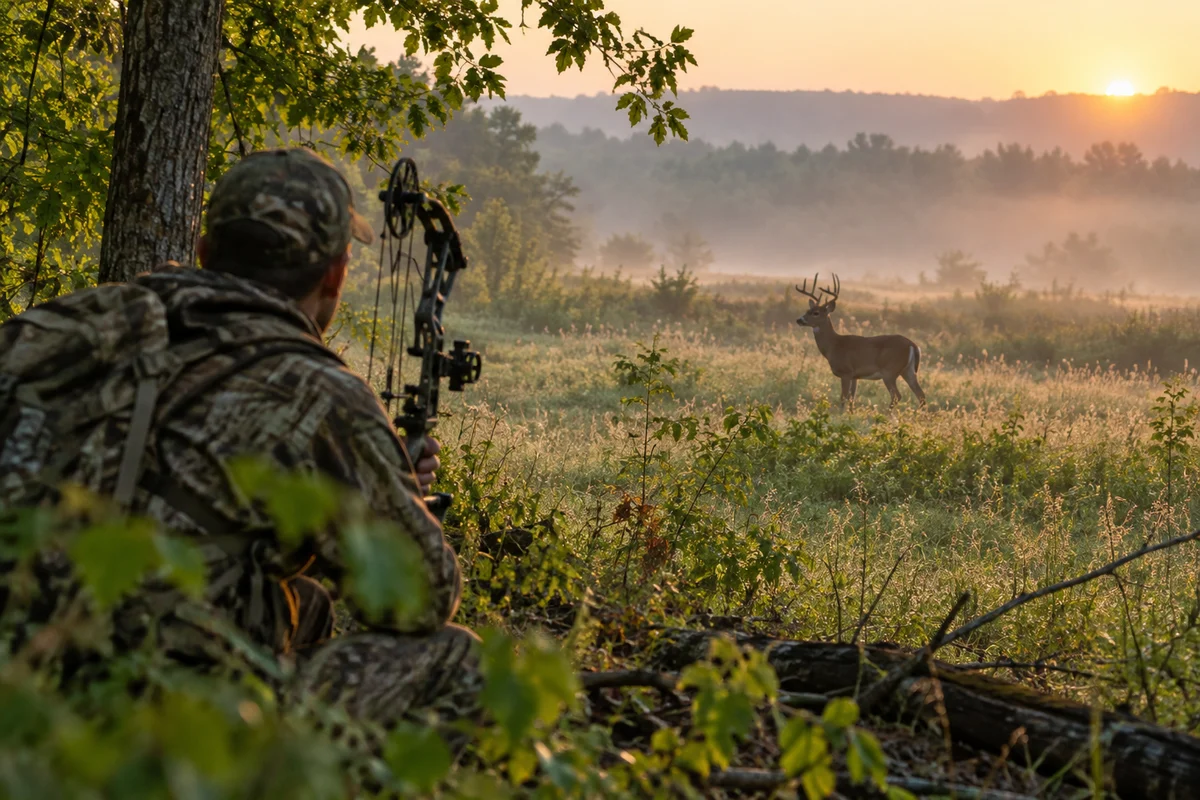
Choosing a buying sport optics guide starts with a simple question: what do you need to see, from where, and in what conditions? “Sport optics” covers binoculars, spotting scopes, rifle scopes and rangefinders, but these tools solve different problems. The right choice is not necessarily the one with the largest magnification or longest specification sheet. It is the optic you can use steadily, understand quickly and maintain safely in your actual setting.
Before comparing models, define the activity and constraints. A hunter moving through dense cover has different priorities from someone glassing distant terrain from a fixed overlook. Set a realistic budget, include essential accessories, and decide which compromises are acceptable. The hunting and archery hub offers more context on field equipment and outdoor practices.
Which type of sport optic fits the task?
Start with the job, not the product category’s marketing language. Binoculars provide a two-eyed view for scanning and general observation. A spotting scope is designed for more detailed viewing at distance, usually from a stable support. A rifle scope is an aiming optic intended for use on a compatible firearm; it requires particular attention to safe handling, correct mounting by a qualified person, and applicable law. A rangefinder estimates distance and can help with field judgment, but it does not replace knowledge of terrain, conditions or legal requirements.
| Tool | Best suited to | Main trade-off | Check before choosing |
|---|---|---|---|
| Binoculars | Scanning, wildlife observation and general field use | Higher magnification can make a handheld view harder to steady | Comfort, field of view, weight and focusing ease |
| Spotting scope | Detailed observation from a stationary position | Typically needs support and takes more space | Tripod compatibility, eyepiece comfort and carry weight |
| Rifle scope | Aiming on a compatible firearm | Specialized use; requires safe, lawful setup and handling | Intended use, clear instructions and professional mounting support |
| Rangefinder | Estimating distance to a visible target | Readings depend on conditions and correct use | Readability, controls, intended environment and manual guidance |
Some products combine functions, but a combination does not automatically perform every task equally well. Decide which function matters most and evaluate that use first.
What do magnification and objective size tell you?
Specifications such as “8×42” describe magnification and the diameter of the objective lens in millimeters. An 8× instrument makes an object appear eight times closer in angular size than it would to the unaided eye; 42 refers to the objective lens diameter. These numbers are useful for comparing similar products, but they do not alone predict image quality, comfort or suitability.
More magnification can narrow the apparent field of view and amplify hand movement. For handheld binoculars, a moderate magnification may be easier to use steadily than a higher one. Larger objective lenses can gather more light, but they also tend to add bulk and weight. Optical design and coatings, alignment, glass quality, eye placement and manufacturing consistency also influence the view. Treat specifications as a starting point, then inspect the actual image if possible.
Consider the terrain and the length of time you will carry the optic. In brush or woodland, a broad view and quick handling can be more useful than extreme magnification. From a stationary vantage point, a supported higher-power optic may make sense if the added detail is worth the extra setup. If you use eyewear, check whether the eye relief and eyecup adjustment let you see the full image comfortably.
How can you assess image quality in person?
When practical, compare options in the same lighting and at the same subject distance. Look for a sharp, usable view across the area where you expect to observe—not merely a crisp center. Check whether the image remains comfortable when you move your eyes slightly, and whether colors or contrast look natural enough for your task. Do not assume a bright showroom display predicts performance at dawn or in overcast weather.
Try the focus mechanism several times. It should be easy to locate and operate without awkward finger movement. Check diopter adjustment and whether the controls stay where set during ordinary handling. With binoculars, adjust the barrels to your eye spacing and confirm that the two images merge into one comfortable view. If the instrument produces eyestrain or a persistent double image, it is not a good fit, regardless of its specifications.
For more on equipment in a hunting context, the overview of a Bushnell Scout rangefinder is a related example of evaluating a specific optical tool. Product details and availability can change, so confirm current specifications and operating guidance with the manufacturer rather than assuming an older model remains unchanged.
What should you check for durability and weather resistance?
Think about exposure you can reasonably expect: rain, dust, cold, repeated transport or occasional bumps. Ask the manufacturer what its water and fog resistance claims mean, and follow the manual’s limits. “Waterproof” and “weather resistant” are not interchangeable promises across brands, and neither means an optic should be submerged or left wet in storage.
Inspect the body covering, hinge, focus movement, lens caps and included case. Look for controls that can be used with gloves if that matters to your activity. A sealed body can help keep moisture or dust out, but serviceability and warranty support also matter. Clarify how the manufacturer handles repairs and whether the warranty applies to the intended use. Avoid inferring durability from appearance alone.
A useful ownership plan includes keeping lenses capped when not in use, using a clean lens cloth or appropriate brush, and following the maker’s cleaning instructions. Do not wipe grit across a lens; remove loose particles first. Store optics dry, and do not use household solvents unless the manufacturer specifically approves them.
Which features are worth paying attention to?
Separate essential features from convenient extras. A comfortable grip, accessible controls, manageable weight and a view that suits your eyes are foundational. A tripod socket may be important for prolonged observation. A protective case or tethered caps may reduce the chance of loss. Electronic features on rangefinders vary by model; read the manual to understand their intended operation and limitations rather than assuming a feature will suit your situation.
Use this field decision framework before purchasing:
- Name the primary task. Scanning, stationary observation, distance estimation and firearm aiming are distinct uses.
- Set a carry limit. Consider the distance you walk and what else is in your pack.
- Choose a practical viewing range. Favor comfortable, steady use over magnification chosen only for a larger number.
- Test the controls and fit. Check eye relief, focus, grip and operation with any gloves or eyewear you routinely use.
- Verify environmental claims. Read the maker’s manual and warranty; do not treat vague labels as a field guarantee.
- Compare total ownership needs. Include support, protective storage and compatible accessories—not just the optic itself.
- Recheck safe and legal use. For firearm-mounted optics, follow the firearm and optic manuals, use qualified mounting help where needed, and know local laws. Keep firearms unloaded and securely stored when not in use.
How do you compare value without relying on hype?
Write down the two or three qualities that would genuinely improve your outing, then compare candidates against those priorities. A premium feature is not valuable if it adds weight, complexity or cost without helping your use. At the same time, the least expensive option may be a poor fit if its ergonomics or image cause you to leave it behind.
Look for complete, current product information from the manufacturer: dimensions, weight, intended application, operating instructions, warranty terms and service options. If a specification is missing or unclear, ask the maker or an authorized service channel rather than filling in the gap by guesswork. For legacy or discontinued optics, condition, parts support and manuals can vary substantially. Inspect used equipment carefully and avoid assuming that a familiar model name guarantees a particular configuration.
Field equipment works as a system. A stable rest may improve observation more than additional magnification; a well-organized pack may protect an optic better than a bulky case you will not carry. Related field considerations appear in our article on natural ground blinds for deer hunting, where visibility and placement are part of the broader hunting setup.
What is the best final check before deciding?
Picture a specific day outdoors and walk through how you will carry, retrieve, focus and put away the optic. If you cannot operate its basic controls comfortably, or if its weight makes it unlikely to travel with you, reconsider. If the purchase is for firearm use, treat optical selection as only one part of a safe and lawful setup—not a substitute for training, secure storage or following manufacturer instructions.
There is no universal best sport optic. The sound choice balances the task, viewing comfort, portability, environmental needs and dependable support. Compare real handling and clear documentation, not just headline specifications, and choose the instrument that helps you observe responsibly without adding features you do not need.
Frequently asked questions
What does 8×42 mean on binoculars?
The first number is magnification: 8× makes the subject appear eight times closer in angular size. The second is the objective lens diameter in millimeters. Neither number alone establishes image quality or comfort.
Is higher magnification always better for hunting optics?
No. Higher magnification can make handheld views harder to steady and may narrow the field of view. Choose based on terrain, support, carry weight and how comfortably you can use the optic.
What should I check before buying a used or discontinued optic?
Confirm the exact configuration, inspect lenses and controls, test focus and alignment where possible, and check whether manuals, repairs and parts support are available. Details vary, so consult the manufacturer when information is uncertain.
Sources & further information
Consult these primary sources for current regulations, technical information and local guidance.