The Skeleton Minnow Bait: A Subtle Profile, More Lifelike Retrieve
A skeleton-style minnow is a streamlined option when fish respond to a modest baitfish profile rather than a bulky, high-action lure. Learn how to assess its design, rig it securely, and tune the presentation to conditions.
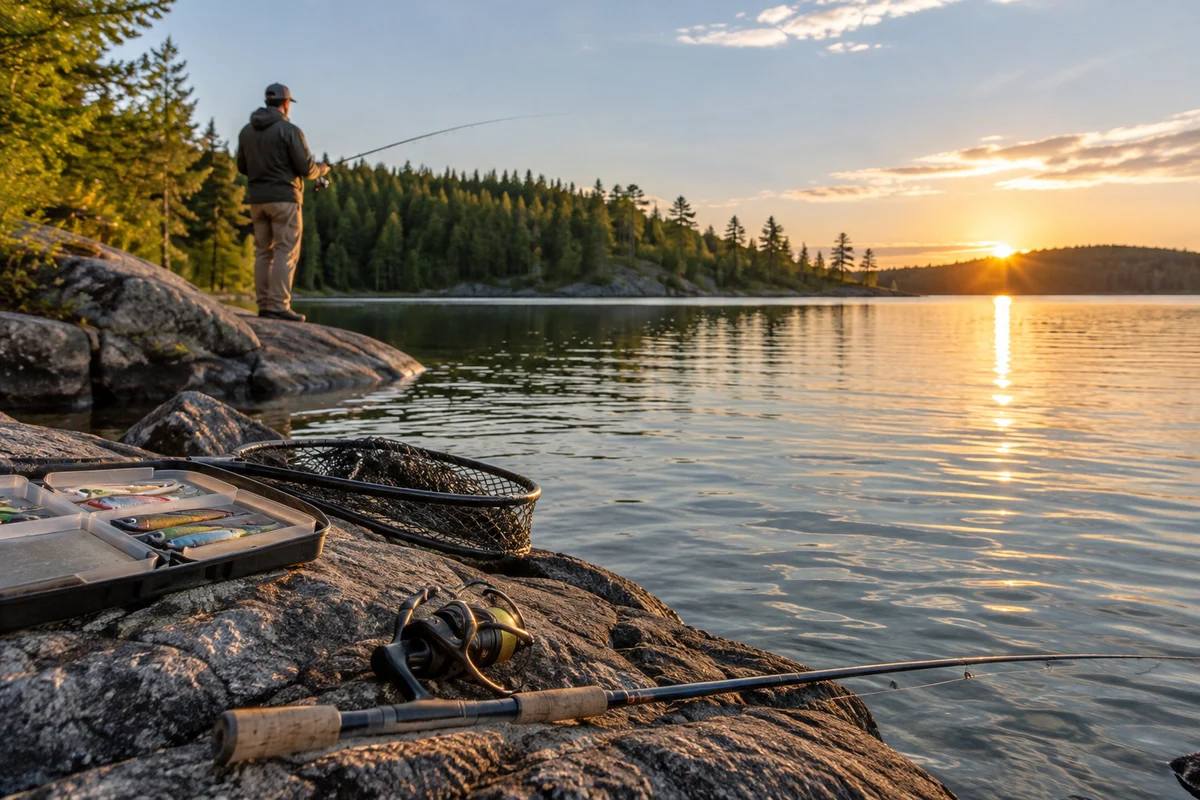
A skeleton minnow bait offers a useful middle ground between a compact soft plastic and a full-bodied swimbait: a slim baitfish outline with comparatively little material displacing water. That restrained profile can help when fish are wary, forage is small, or a broad, forceful lure seems out of place. The name is used for more than one lure design, however, so focus on the actual shape, action, and rigging rather than assuming every product with “skeleton minnow” in its name behaves the same way.
The best approach is to treat this style as a presentation tool, not a magic pattern. Check how it moves on a short test retrieve, select a hook that suits the bait and local rules, and change one variable at a time. The freshwater fishing tips hub offers related practical guidance; the principles below help you decide when a slender minnow shape earns a place in the rotation.
What makes a skeleton minnow different?
The term generally describes a thin, open-looking, or reduced-body minnow profile. Depending on the particular lure, it may have a narrow body, a small tail, exposed-looking ribs or sections, or a flexible structure intended to move with modest water pressure. These traits can create a subtle visual outline and let the lure move without the broad thump of a thick paddle tail.
Those descriptions are not universal specifications. Some products are soft plastics; others may use different materials or shapes. Read the package or manufacturer information for the exact model, including recommended hook placement and storage. If the lure has a tail or joints, inspect whether it tracks straight and moves freely rather than inferring action from its name.
A slim bait can also be easier to present near small forage or in clear water, but size matching is only one part of the decision. Depth, current, fish activity, cover, and the way the bait is rigged all affect what a fish sees. When fish are actively chasing or the water is stained, a larger or more assertive profile may be easier for them to locate.
When is this bait a good choice?
Consider it when a compact, baitfish-like silhouette seems appropriate and fish are not responding to more forceful presentations. It can be a sensible option around open-water edges, along weedlines, or over relatively clean bottom where you can keep the bait moving without snagging constantly. It may also suit a slow, controlled approach when fish follow a lure but do not commit.
Use the conditions as a decision framework:
| Condition | First adjustment | What to watch |
|---|---|---|
| Clear, calm water | Start with a natural-looking color and a steady, unhurried retrieve | Fish following without striking may call for a pause or a smaller profile |
| Stained water or chop | Try a more visible color or a slightly faster cadence | If the lure disappears quickly, a stronger-action option may be easier to track |
| Current or wind | Cast across or slightly up-current and maintain contact | A bait that spins or folds over may be rigged poorly or too lightly controlled |
| Vegetation or brush | Use a suitable weed-resistant rig where legal and practical | Repeated fouling means the route or rig needs changing, not just the retrieve |
| Suspended fish | Count the lure down consistently before retrieving | A repeatable depth helps separate presentation changes from depth changes |
This is a starting point, not a rulebook. Water clarity can vary within one lake, and a lure that works well on a windward bank may be less suitable in a sheltered cove. Keep notes about location, depth, and retrieve so that a useful adjustment is repeatable.
How should you rig and retrieve it?
Begin with a hook and rig that keep the lure straight. A crooked soft bait often rolls, spins, or tracks to one side. If the maker provides a rigging diagram, follow it; otherwise, align the hook point and body carefully, then test the lure beside the boat or shoreline. A useful short test is a slow pull followed by a brief pause: the bait should retain its intended orientation and move without twisting.
Match hook size to the lure’s body and the fishing situation. An oversized hook can stiffen a flexible bait or dominate its profile; an undersized hook may not leave adequate clearance for a reliable hookup. Follow local rules on hooks and tackle, and choose equipment appropriate to the fish and cover rather than forcing a delicate lure into heavy vegetation.
Start with a simple retrieve: cast, allow the bait to reach a repeatable depth, and reel steadily. If fish track it, add a short pause or a subtle change in speed. If it seems lifeless, try a gentle twitch or a lift-and-fall motion before adding more aggressive action. The goal is controlled variation. Changing color, depth, speed, and location all at once makes it hard to learn which factor mattered.
A fishfinder can help identify depth and structure, but it does not dictate a particular lure. For a broader look at interpreting electronics, see this discussion of Lowrance versus Garmin fishfinders. Use the display as one source of information, then confirm the pattern by fishing and observing conditions.
How do you choose color, size, and action?
Prioritize the actual forage and visibility. In clear water, subdued colors may look less conspicuous; under low light or in stained water, a more visible shade can make the lure easier to notice. “Natural” and “bright” are broad labels, not guarantees, and color perception changes with depth and light. Bring a small range rather than a large assortment, and compare options under the conditions you are actually fishing.
Choose a length that makes sense beside local baitfish and the fish you are pursuing. If you do not know the forage, observe the water, check reliable local fishing information, and begin with a moderate profile. A skeleton-style lure is not automatically a finesse bait: its size, material, hook, and tail design determine how it behaves.
Action should fit the fish’s response. A steady swimming motion is a sound baseline. If fish follow but turn away, slow down, pause, or reduce the profile. If there is little response and the water is difficult to read, try a more visible or more active lure before concluding that fish are absent. This is the same practical logic behind choosing between spinnerbait storage and tackle organization: a tidy, accessible selection makes it easier to switch deliberately instead of guessing at the water.
What common problems should you troubleshoot?
The bait rolls or spins. Recheck alignment, hook size, and whether the lure is damaged. Test it at a slower speed. A soft bait that has been stretched or torn may no longer track properly.
The lure fouls on every cast. Change the angle, depth, or route around cover. If appropriate, use a rig designed to reduce snags, while remembering that weedless setups can affect hook exposure and hookup rates.
Fish follow but do not strike. Try a pause, a slower retrieve, or a modest size or color change. Avoid repeatedly speeding up if the fish are already tracking the bait closely.
There is no response. Reassess whether fish are present at that depth, whether the profile matches the available forage, and whether conditions call for more vibration or visibility. A different lure style may be the better choice; persistence with one bait is not always the answer.
How should you store and maintain it?
Rinse salt or grit away when relevant, let the lure dry, and store soft plastics according to the product instructions. Some materials can react with other plastics or storage boxes, so do not assume all baits are compatible. Keep hooks covered and separate from flexible bodies when that prevents tearing or tangling. Inspect the lure after a fish or snag, especially around the hook entry point and tail. Replace or retire damaged tackle when it cannot be made to track reliably.
A skeleton minnow bait earns its place when its profile and restrained movement suit the conditions—not because the label promises a result. Match its presentation to forage, visibility, depth, and cover; test the rig before committing to a long cast sequence; and make changes in a way you can evaluate. That measured process is more useful than chasing a single “right” color or retrieve.
Frequently asked questions
What is a skeleton minnow bait?
It is a name used for slim, reduced-profile minnow lures, often designed to move with a restrained action. Exact shape and materials vary by product.
When should I fish a skeleton-style minnow?
Try it when a compact baitfish profile and subtle movement suit the forage or conditions. Adjust for water clarity, current, depth, and fish response.
How can I tell if a minnow lure is rigged correctly?
Check that it sits straight on the hook, then test it with a short retrieve near shore or the boat. It should track as intended without rolling or spinning.
Sources & further information
Consult these primary sources for current regulations, technical information and local guidance.