Slip Bobbers for Walleye Fishing: Set Depth and Drift
A slip float makes it practical to suspend bait at a measured depth while still casting a compact rig. This guide covers the setup, depth decisions, drift control, and adjustments that help keep a walleye presentation in the strike zone.
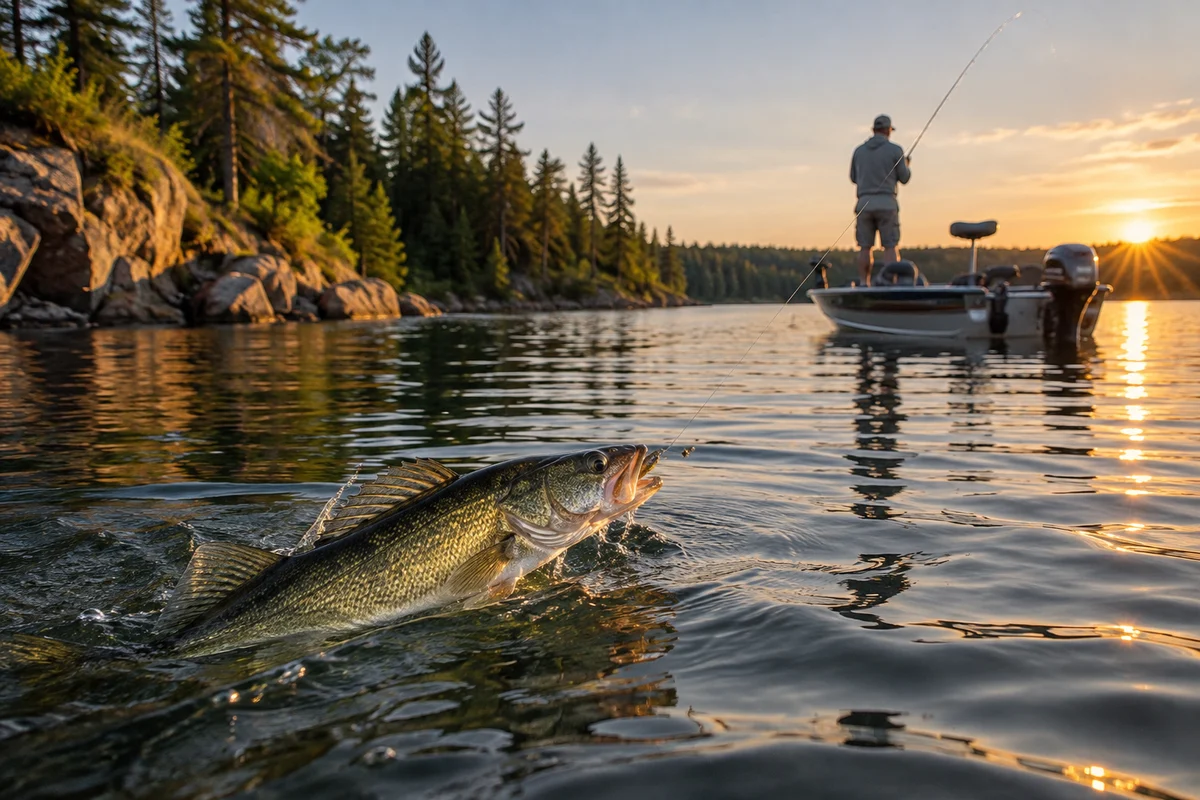
A slip bobber is useful when walleyes are holding above weeds, along a break, or over a basin where a fixed float would be cumbersome to cast. For slip bobbers for walleye fishing, the central task is not choosing a magic float: it is setting a repeatable depth, keeping the bait moving naturally, and noticing when wind or current pulls the rig out of position. A small adjustment can matter more than changing tackle.
What does a slip bobber do?
A slip bobber slides along the main line until it meets a stop tied above it. The stop sets how far the bait hangs below the float. For casting, the stop can pass through the rod guides, so the rig stays relatively compact; after the cast, the float slides down the line until the stop reaches it and the bait settles at the chosen depth.
That arrangement is especially handy when fish are suspended or when you want to place a bait above vegetation without dragging it through the cover. It can also hold a presentation near a dock edge or a modest current seam. The float signals movement, but it does not identify a fish by itself: wind, waves, weeds, and line tension can all move it.
For broader seasonal ideas, browse the walleye fishing hub. A float is one option among several; anglers working deeper or moving water may find bottom-bouncer rigging a better fit, while a moving presentation such as drift jigging for walleye suits different conditions.
What tackle and rigging do you need?
Use a rod and reel that comfortably cast the float, weight, and bait you intend to use. A medium-light or medium spinning outfit is common, but the right choice depends on the float’s capacity, cover, line, and local conditions. Follow the rod and float maker’s ratings rather than forcing an oversized rig onto light tackle.
A basic rig uses the following components:
- Stop: A purpose-made line stop or a carefully tied stop knot sets depth. It should hold during casting but still pass through the guides without catching excessively.
- Bead: A small bead above the float helps keep a stop from slipping through the float’s opening.
- Slip float: Choose a model whose buoyancy matches the total weight below it. Its opening should let the line move freely.
- Weight: A small split shot or suitable sinker helps the bait descend and steadies the presentation. Keep enough buoyancy showing to see a bite.
- Hook and bait: Match hook size and bait to the local rules, bait, and fishery. Use a hook style you can handle safely and remove responsibly.
Thread the stop and bead onto the line, then pass the line through the float. Add weight and tie on the hook. Before fishing, pull the line through the float to make sure it moves freely, and test the complete rig beside shore or in a container of water. Adjust weight until the float rides upright with a visible portion above the surface. Too little weight can leave the rig lying over; too much can make it ride low and hide subtle signals.
How do you choose a starting depth?
Start with an estimate, not a claim that fish always sit at a particular depth. Look for clues: a weed edge, a drop-off, visible baitfish, a temperature change indicated by local information, or a depth contour where fish could feed. If you have reliable sonar, use it to understand bottom depth and suspended marks; treat marks as clues, not guaranteed species identification.
Set the bait above the top of weeds or above the fish you are trying to reach, then test. If the bottom is six feet deep and the cover rises noticeably off the bottom, a bait suspended above that cover may be more practical than one dragging through it. The exact starting distance depends on the shape of the bottom, wave action, bait, and how freely the rig drifts.
| Situation | Starting approach | What to watch |
|---|---|---|
| Weed edge | Hang the bait just above the vegetation | Repeatedly fouled bait means raise it or move outward |
| Suspended fish | Set the bait near, often slightly above, the observed level | A steady lack of response may justify small depth changes |
| Shoreline break | Try a depth that keeps bait clear of bottom while drifting along the contour | If the float repeatedly tips or drags, check depth and weight |
| Windy surface | Shorten the drift or use a manageable, appropriately weighted float | Bowed line can pull the bait away from the intended depth |
Change one variable at a time. If you alter depth, bait, float, and location together, you will not know which adjustment helped. Mark the stop position or note line length so you can return to a productive setting.
How do you control the drift and detect a bite?
Cast upwind or up-current when practical, allowing the rig to settle before it reaches the target. Keep only enough line between rod and float to guide the drift; a large slack bow makes it hard to detect movement and can drag the float sideways. A gentle mend—lifting or repositioning loose line without yanking the float—can restore a more natural path.
Watch for a float that dips, slides steadily against the drift, pauses, or changes angle. First distinguish a possible bite from a gust or a wave. If the float repeatedly leans in one direction, the sinker may be dragging, the bait may be caught in weeds, or line pressure may be pulling the rig. Retrieve and inspect rather than repeatedly striking at every ripple.
When a fish takes, respond according to the float, hook, and bait arrangement. Some rigs show a decisive disappearance; others load gradually. Avoid a violent sweep that could tear a hook free or break light line. Keep pressure steady, guide the fish away from snags when possible, and use a landing net when it helps land the fish without prolonged handling.
What common problems should you troubleshoot?
The stop slips: Retie or replace it, and check that the stop size suits the line and float opening. A stop that is too bulky can snag in guides; one that is too small may creep.
The float will not slide: Check for a damaged float opening, a tangled stop, or line wrapped around the stem. A clean, free-running line is essential for the depth system to work.
The float lies flat: Add a small amount of weight or use a float suited to the full rig. Retest gradually; excessive weight reduces visibility and may make the bait behave poorly.
The bait keeps collecting weeds: Raise it, move away from the thickest cover, or shorten the drift. Weed growth varies through the season and across a lake, so confirm the condition at the fishing spot rather than relying on an old depth note.
No bites despite apparent fish: Recheck whether the marks are actually fish, then test a nearby depth, a different drift path, or another location. A float cannot compensate for inactive fish or a bait that is not appropriate for the water.
What safety and local rules matter?
Check current fishing regulations before choosing bait, hooks, seasons, or harvest practices. Rules differ by jurisdiction and waterbody, and bait restrictions can change. The U.S. Fish and Wildlife Service provides a starting point for federal fishing and conservation information; consult the responsible state or tribal agency for binding local regulations. Handle hooks carefully, keep loose tackle secured, and avoid leaving line or discarded gear behind. If releasing a fish, minimize air exposure and handle it with wet hands where practical.
A slip-bobber setup is most effective when its depth can be repeated and its drift observed. Begin with a sensible target, confirm the rig is balanced, and make one adjustment at a time. That process turns a float from a passive indicator into a useful way to keep bait in a defined part of the water column.
Frequently asked questions
How deep should I set a slip bobber for walleye?
Start near the depth suggested by weeds, contours, or reliable sonar, keeping the bait above snags or cover. Adjust in small increments and record the productive setting.
Why does my slip bobber lie on its side?
The rig may not have enough weight to balance the float, or the line may be caught. Check that the float slides freely, then add weight gradually and retest.
Can I cast a slip bobber with the stop inside the rod guides?
Many slip-bobber stops are designed to pass through guides, but bulky or poorly tied stops can catch. Use compatible tackle and test the cast carefully before fishing.
Sources & further information
Consult these primary sources for current regulations, technical information and local guidance.