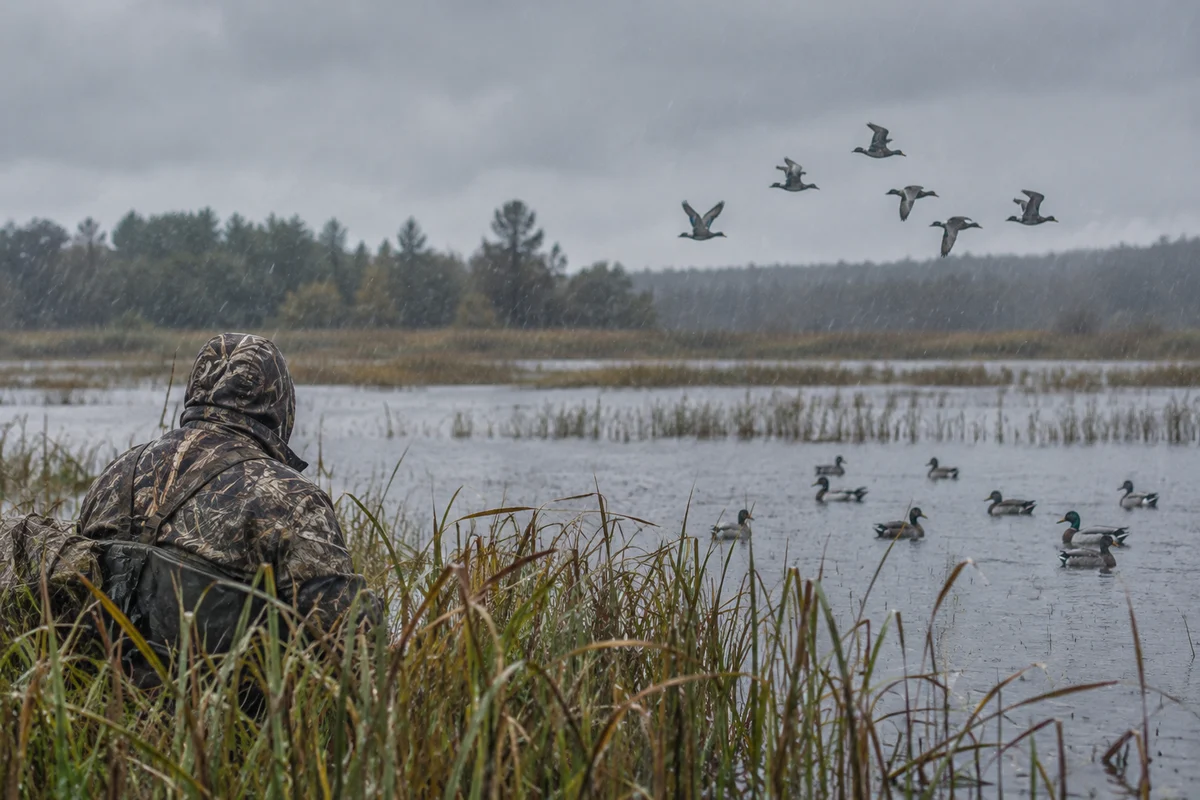
Redhead Blind Layout: Set Up a Safe, Concealed Hide
A redhead blind can be part of an effective waterfowl setup when placement, concealment, and safe lanes fit the site. Use this practical framework to assess a location and adapt without assuming one layout suits every marsh.
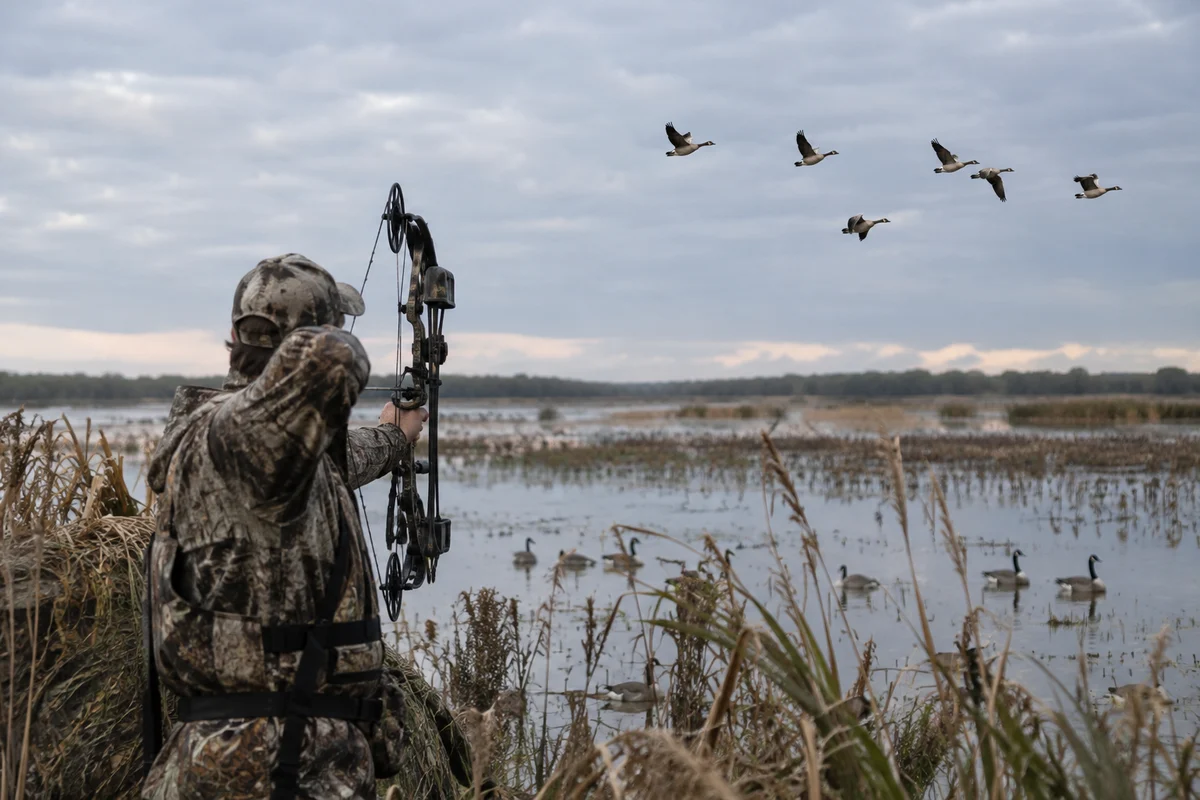
A redhead blind setup is not a fixed recipe: wind, water depth, vegetation, access, and the birds’ approach all shape where a hide belongs. Whether you are considering a low-profile layout blind or another concealed position, start with the site and the safe direction of activity—not with a product name or a favorite arrangement. The goal is to remain concealed while keeping every person, dog, and obstruction accounted for.
This guide focuses on field decisions rather than claims about a particular blind model. Product details, availability, and instructions can change, so consult the maker’s current manual for any equipment-specific questions. For broader context, visit the duck and goose hunting hub, and compare the practical considerations in this overview of a deluxe layout blind for waterfowl and the Delta Waterfowl Legend layout blind.
What should guide a redhead blind location?
First, identify the conditions that matter on the day you hunt. Wind direction can influence how birds use a landing area, but local terrain and flock behavior may alter that pattern. Avoid treating a forecast as a guarantee. Observe the water and birds from a lawful, non-disruptive vantage point, and choose a position that does not require unsafe crossing, unstable footing, or a hurried move.
Next, study the background. A blind that blends into a distant bank may stand out against open water from another angle. Vegetation should match the surrounding cover in color, height, and texture; a small, natural silhouette is generally easier to conceal than a conspicuous mound of mismatched material. Do not cut or gather plants where prohibited, and avoid damaging sensitive habitat.
Finally, assess access and the rest of the party. The route in and out should be manageable in low light and changing weather. Confirm that everyone knows the location of the blind, the agreed safe directions, and how the dog will be handled. If another group is nearby or the usable area is too constrained to maintain clear separation, select another site.
How do you evaluate wind and approach without overcommitting?
Treat wind as one input among several. A helpful field check is to note the wind at the proposed hide, inspect the water’s surface, and observe how birds approach or leave over time. If conditions shift, a previously sensible setup may no longer fit. Do not move into a new position until you can reassess the surroundings and maintain safe spacing.
Use this decision framework before settling in:
| Field question | Favorable sign | Reconsider if… |
|---|---|---|
| Is the background compatible with the hide? | Cover and silhouette look natural from likely viewing angles. | The blind forms a sharp, isolated outline. |
| Is there a clear, safe area for the group? | Each person has an understood position and safe direction. | People, dogs, paths, or neighboring parties may enter the activity area unexpectedly. |
| Does the wind support the planned position? | Conditions are stable enough to observe and adapt. | Gusts, shifting wind, or local terrain make the approach unpredictable. |
| Can everyone enter and leave safely? | The route and footing are known and manageable. | Deep water, mud, darkness, or weather creates a hazardous crossing. |
| Is the setup appropriate for the site? | Access, land rules, and habitat restrictions are understood. | Permission or local regulations are unclear. |
The table is a screening tool, not a substitute for judgment, local rules, or required safety practices. If a key answer is uncertain, pause or choose a different location.
How can you improve concealment without overbuilding?
Begin with the blind’s outline. From a distance and from more than one angle, look for straight edges, exposed fabric, bright hardware, and gaps that reveal movement. Add only lawful, locally appropriate cover, and keep openings and exits usable. Overbuilding can create an unnatural shape, obstruct visibility, or make it harder to leave promptly.
Check the hide from the direction birds are most likely to see it, but also from the sides and behind. The sun may illuminate a surface that looked muted in shade. Wet fabric and fresh vegetation can change color; wind can move loose material. Secure cover so it will not flap or fall into a safe lane, and remove anything that could entangle a dog or person.
Movement is often more noticeable than small differences in color. Organize equipment before settling in, keep unnecessary motion low, and agree on simple signals for routine needs. These are concealment considerations, not a guarantee that birds will approach. Wildlife behavior varies, and no blind arrangement can ensure a particular result.
What makes a setup safe for people and dogs?
Before the hunt, discuss firearm handling, the group’s boundaries, and the conditions under which no shot will be taken. Everyone should understand the safe direction and the need to identify a target and what lies beyond it. Never allow a person or dog to occupy a potential line of fire. If visibility, spacing, or identification is compromised, do not shoot.
Keep firearms handled and stored in accordance with the manufacturer’s manual and applicable law. When moving to or from a position, follow safe transport practices and make sure the group is coordinated. A blind’s design does not make a location safe by itself. Check local hunting regulations for legal shooting hours, permitted methods, access rules, and any site-specific restrictions; rules differ by jurisdiction and can change.
Plan for the dog’s comfort and control as carefully as the human setup. Identify a clear place for the dog to wait, keep the dog away from hazards, and account for cold water, current, mud, and weather. Bring appropriate equipment and follow veterinary guidance for the individual animal. Do not let concealment needs override the dog’s safety or the ability to retrieve responsibly.
When should you choose a different blind style or position?
A layout blind may be unsuitable where the ground is uneven, flooded, too soft, exposed, or restricted. A different type of hide—or no hunt at that location—may be more appropriate. The relevant comparison is not simply which product looks compact; consider the site’s terrain, how the hide can be secured, whether occupants can see and exit safely, and whether local rules permit the setup.
For another perspective on layout-blind design and use, see the hardcore waterfowl gear overview. Treat product descriptions as starting points, not proof of fit. Verify dimensions, care, setup, and limitations in current manufacturer information, since versions and specifications may vary. Avoid relying on a model name alone to infer materials or features.
If conditions change after you settle in, reassess rather than forcing the original plan. A rising water level, shifting wind, deteriorating footing, changing visibility, nearby activity, or a dog that cannot remain safely controlled can all be reasons to pack up. A conservative decision is part of a well-planned outing.
What is a useful pre-hunt checklist?
Before committing to the position, run through this short check:
- Confirm permission, access, and current local hunting rules.
- Check weather, water conditions, footing, and the route out.
- Identify nearby people, dogs, paths, boats, and other hazards.
- Agree on positions, safe directions, communication, and stop conditions.
- Inspect concealment from multiple angles without blocking visibility or exits.
- Keep equipment organized and secure loose material.
- Make a dog-care plan that fits the conditions and the animal.
- Reassess if wind, water, visibility, or group spacing changes.
No checklist replaces attention in the field. A sound redhead blind layout is a flexible plan: it accounts for the site, conceals without obstructing, and can be abandoned when safety or conditions call for it. The best setup is the one that remains lawful, manageable, and safe throughout the outing—not the one that looks most elaborate on arrival.
Frequently asked questions
Does one redhead blind layout work in every marsh?
No. Terrain, water, vegetation, wind, access, regulations, and nearby activity vary. Assess the specific site and adapt or leave if conditions do not support a safe setup.
How should I choose between layout-blind models?
Compare current manufacturer information for fit, setup, care, and limitations, then consider the ground and conditions where it will be used. Do not infer specifications from a product name, and consult the current manual.
What should I do if wind or visibility changes after setup?
Pause and reassess the entire position, including people, dogs, safe directions, and exit route. If you cannot preserve safe conditions, stop and move only when it is safe to do so—or end the outing.
Sources & further information
Consult these primary sources for current regulations, technical information and local guidance.