Hardcore Waterfowl: Choose Gear for Value and Durability
For dedicated duck and goose hunters, durable value comes from gear that suits real conditions, can be maintained, and performs more than one job. This guide offers a practical way to assess equipment without confusing premium features with lasting usefulness.
What does “hardcore waterfowl” gear need to do?
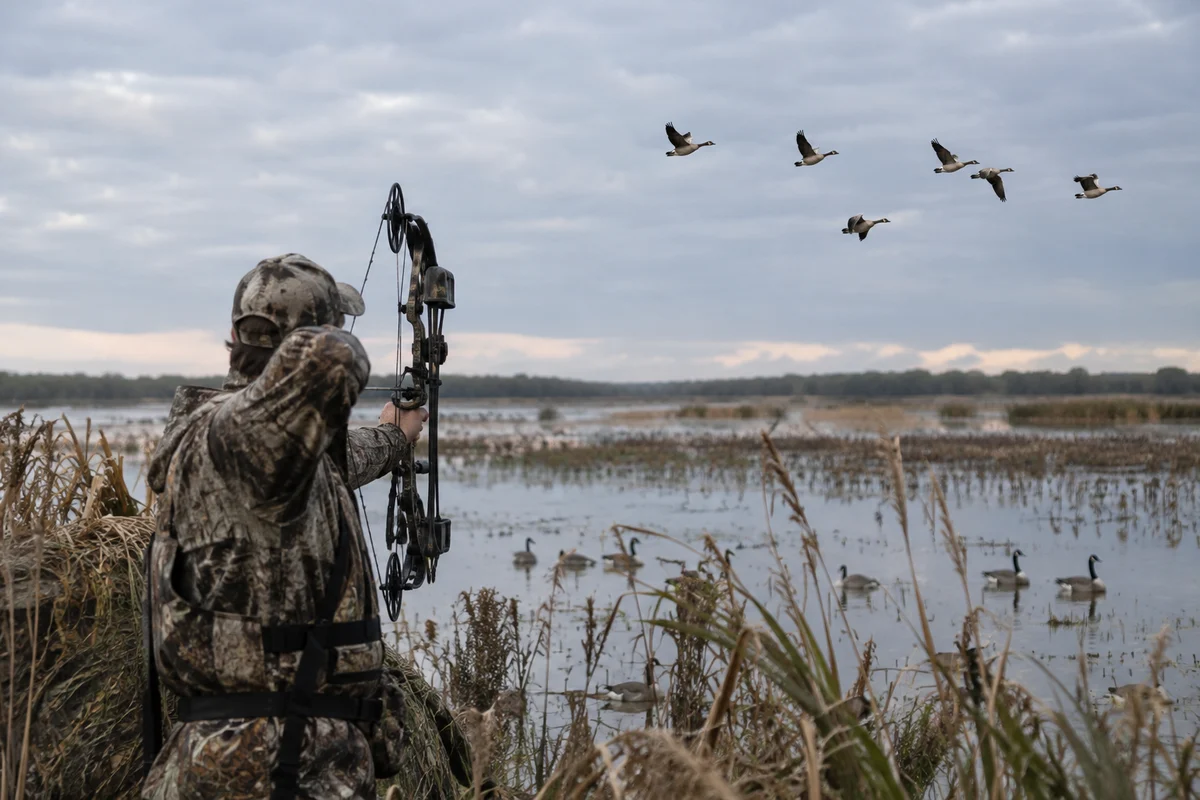
Hardcore waterfowl hunting puts equipment through repeated wet, muddy, cold, and sometimes windy conditions. The useful question is not whether a product looks rugged, but whether it solves a recurring problem in the way you hunt. A jacket that fits over your layers, a blind that suits the terrain, or a bag that keeps essentials organized can earn its place season after season. A feature that rarely gets used is not automatically value just because it appears on a high-end model.
Start by describing your own routine: how far you carry equipment, whether you hunt from a boat or walk in, how often you sit in a layout blind, and what weather you commonly face. These details change what “durable” means. A heavy item may be acceptable for a short carry but frustrating on a long walk. A compact setup may be convenient but unsuitable when you need to transport decoys and extra clothing. There is no universal kit for every marsh, field, or hunter.
For broader duck and goose hunting context, see the duck and goose hunting hub. Use it as a starting point for matching equipment choices to the kind of hunt, rather than treating any single product as a complete solution.
How can you tell whether an item offers real value?
Think in terms of useful seasons and dependable function, not just the initial price or a promise of toughness. Value improves when an item meets a clear need, remains comfortable and functional, and can be maintained or repaired. A low-cost item that must be replaced quickly may not be economical; an expensive item can also be poor value if its special features do not fit your routine.
Before choosing, ask:
- What job will it do? Name the specific task, such as staying dry while setting decoys or providing concealment in a particular style of hunt.
- How often will I use it? A frequently used layer or pack may deserve more attention than a specialized accessory used occasionally.
- What can fail? Look at closures, seams, straps, hinges, and other stress points. Check whether the maker explains care, repair, or warranty terms.
- Can I inspect the fit and function? When possible, try clothing with the layers you expect to wear and assess movement in a safe, ordinary setting.
- What is the trade-off? Consider weight, bulk, warmth, drying time, storage, and the effort needed to clean it.
This is a comparison method, not a claim that one material or construction style always lasts longer. Follow the manufacturer’s care instructions; improper cleaning or storage can undermine even well-made equipment.
Which clothing details matter through a long day?
Fit and layering affect whether outerwear works in practice. A shell that binds at the shoulders or rides up when seated can interfere with routine movement. A roomy cut may accommodate insulating layers, but excess bulk can make a long walk less comfortable. Check the hood, cuffs, pockets, and closures for ease of use with the layers you actually wear, and consider whether pockets remain accessible under a vest or pack.
Water resistance, insulation, and breathability are different considerations. Match them to expected conditions and activity rather than assuming one garment does every job equally well. When temperatures and exertion vary, a system of layers can be easier to adjust than relying on one very warm piece. Let clothing dry fully after use when the care label permits, and inspect seams and closures before storing it.
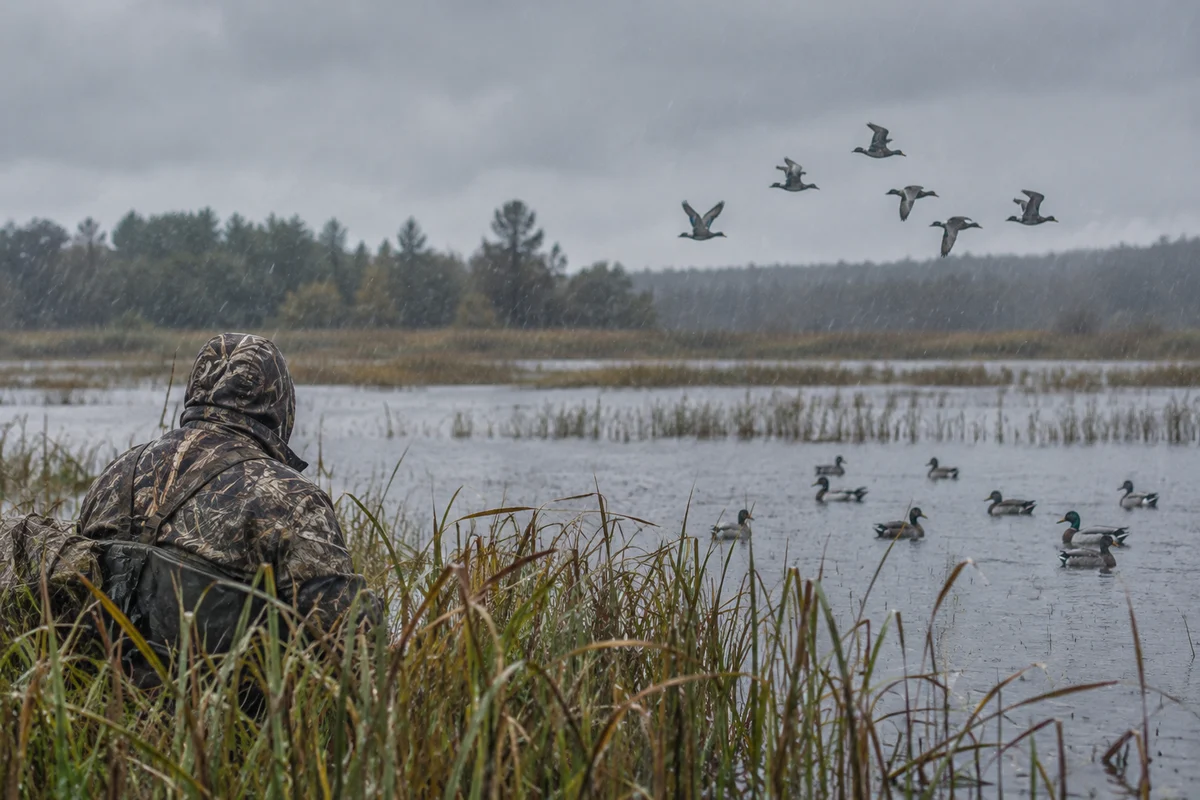
For wet-weather planning, our guide to duck hunting in the rain covers practical considerations that can help you decide which clothing features deserve priority. The right choice depends on conditions and personal fit; no garment can replace sound judgment about exposure or changing weather.
What makes a blind or field setup worth keeping?
A blind should suit the location, concealment approach, and way you carry equipment. Before focusing on extras, consider setup time, stability on the ground you use, access to essentials, and whether the design fits your body and clothing. A layout blind can be useful in an appropriate field setting, but it is not a universal answer for every kind of waterfowl hunt. Transport and storage matter too: equipment that is awkward to move or difficult to dry may be used less often.
Inspect moving parts, fabric, stitching, handles, and attachment points periodically. Clean off mud and debris, let wet materials dry as directed, and address small issues before they grow. Keep the manufacturer’s instructions and model information, since care and replacement-part availability vary. Do not assume that a product name or a “heavy duty” description tells you exactly how a particular version is built.
If you are comparing styles, the Redhead layout blind overview and Delta Waterfowl Legend layout blind overview offer two product-specific starting points. Confirm current construction, dimensions, care guidance, and compatibility directly with the manufacturer; product details can change, and a name alone is not enough to establish specifications.
How should you judge equipment for wet, messy conditions?
Water, mud, grit, and repeated packing can expose weak points. Look for instructions on cleaning and drying, and think about whether you can reach the areas that collect debris. For bags and storage, useful questions include whether contents can be separated, whether the closure is practical with cold or wet hands, and whether the item can be secured during transport. For footwear and clothing, examine fit and the care routine as carefully as advertised protection.
A simple post-hunt routine can extend the useful life of many items: remove mud and plant material, dry equipment completely before long-term storage, inspect seams and hardware, and make a note of damage while it is easy to find. Avoid improvised repairs that conflict with the maker’s instructions, especially on equipment where a repair could affect safety or function. If a defect appears, consult the manufacturer or a qualified repair service.
Rain changes comfort and visibility, but it does not make every hunt appropriate. Reassess conditions, footing, water, and the safe handling of equipment before continuing. Local rules and season requirements are separate from gear choices; consult the relevant wildlife agency for the place and dates where you plan to hunt. The U.S. Fish and Wildlife Service provides federal migratory bird and wildlife information, while state agencies publish applicable local regulations.
How can you build a kit without buying duplicates?
Lay out what you already own and group it by task: clothing, concealment, decoy transport, calls, navigation, and safety essentials. Note gaps that repeatedly affect your hunts rather than shopping from a generic checklist. If two items do the same job, compare their condition, comfort, and reliability before adding another. An organized kit also makes it easier to spot damaged gear and avoid leaving important items behind.
Prioritize equipment that affects comfort, safe travel, or the ability to complete a hunt. Then consider convenience features. Keep a short record after trips: what stayed useful, what was uncomfortable, what failed, and what never left the bag. That personal record is more relevant than a broad claim that an item is ideal for every hunter.
Durability is also about care. Store equipment clean and dry according to its instructions, avoid overloading bags and attachment points, and replace items when damage makes them unreliable. A repairable piece may be a better long-term choice than one that must be discarded after a small failure, but confirm that repair is suitable for the item and does not compromise its function.
What is a sensible final check before choosing?
Before committing to a piece of gear, revisit the problem it is meant to solve. Confirm fit, intended use, care requirements, and any limits stated by the maker. Compare the complete setup—not just one feature—against how you travel, where you hunt, and what conditions you expect. If a key specification is unclear, ask the manufacturer rather than filling the gap with assumptions.
The best value for hardcore waterfowl hunters is not necessarily the newest or most expensive equipment. It is equipment chosen for a real need, suited to the hunt, maintained carefully, and dependable enough to keep earning space in the kit. That approach makes upgrades more deliberate and helps distinguish lasting utility from features that only sound impressive.
Frequently asked questions
What should hardcore waterfowl hunters prioritize when choosing gear?
Start with the conditions and tasks you encounter most. Prioritize fit, practical function, care requirements, repair options, and the trade-offs in weight, bulk, and comfort.
Does a higher price guarantee more durable waterfowl gear?
No. Compare the item’s construction information, care guidance, warranty terms, fit, and usefulness for your routine. Price alone does not establish how well it will perform or last.
How should waterfowl equipment be maintained after a hunt?
Remove mud and debris, dry equipment fully as directed, inspect seams and hardware, and follow the maker’s care instructions. Seek qualified guidance when damage could affect safe function.
Sources & further information
Consult these primary sources for current regulations, technical information and local guidance.