Pennsylvania Bear Populations: What Helps Black Bears Thrive?
Pennsylvania’s black bears depend on a changing mix of habitat, seasonal food, reproduction, and wildlife management. Here’s how those factors shape populations—and what residents can do to reduce conflict.
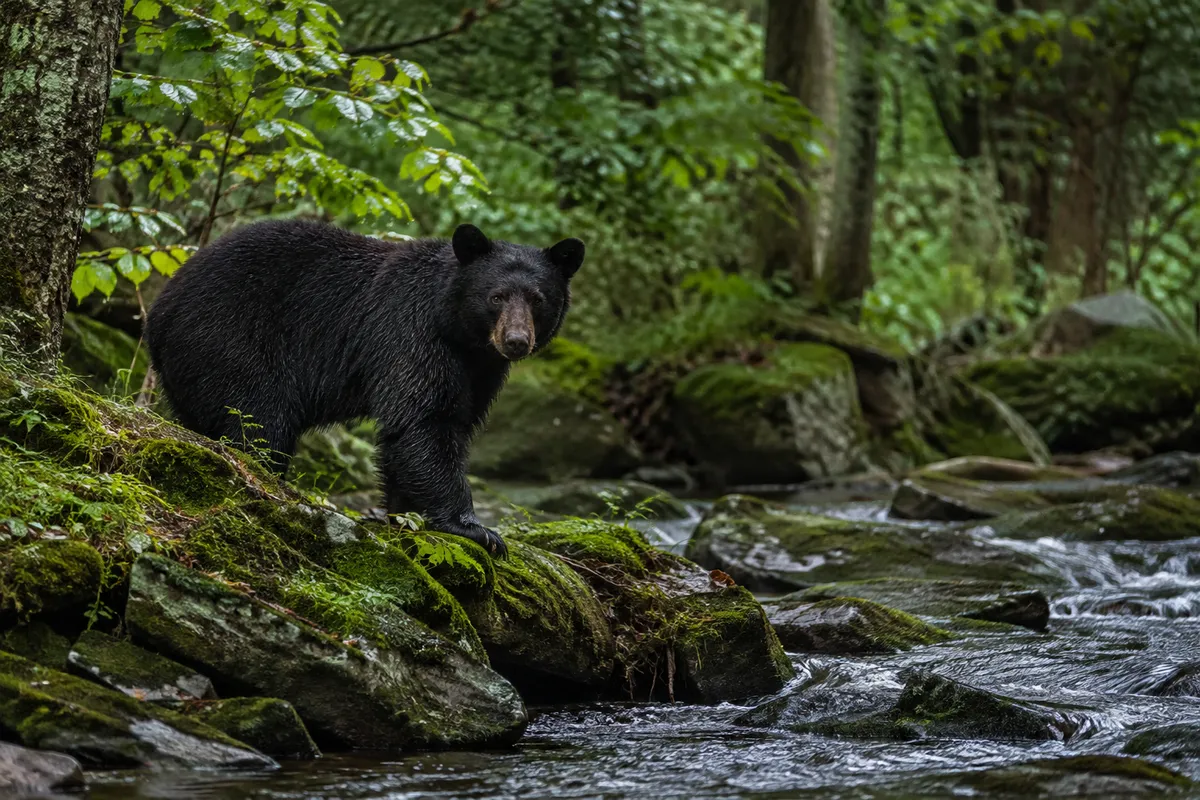
Pennsylvania bear populations are shaped by more than the amount of forest on a map. Food availability, connected habitat, reproduction, human activity, and wildlife management all influence where black bears live and how well they fare. Those forces vary across seasons and regions, so a broad claim that bears are uniformly increasing or thriving should not be mistaken for a current population estimate. Understanding the causes behind local sightings is more useful than drawing conclusions from a single encounter or harvest report.
What does “bear population” actually measure?
A population estimate is an attempt to describe how many bears occupy a defined area during a particular period. It is not a head count of every animal. Black bears range across large areas, move between habitats, and can be difficult to observe consistently, so wildlife agencies use multiple sources of information to assess trends and guide management.
Different measures answer different questions. A harvest total reflects bears reported or checked under a particular season and set of rules; it does not, by itself, reveal the total number of bears in the state. Sightings show where people encountered bears, but more reports may reflect greater awareness, more people outdoors, or bears visiting developed areas—not simply a larger population. Repeated agency monitoring and clear methods are needed to interpret trends.
For authoritative information about Pennsylvania bear management, seasons, and agency updates, consult the Pennsylvania Game Commission. Check its current guidance rather than relying on an old headline or a secondhand number.
How do habitat and food support black bears?
Black bears need places to find food, shelter, and denning habitat, with enough connected cover to move through a landscape. Forests provide important resources, but the quality and arrangement of habitat matter as much as a simple forest-versus-town distinction. The mix of forest types, openings, wetlands, and other natural features can influence which foods are available at different times of year.
Bears are omnivores, and their diets shift with opportunity and season. Natural foods can include plant material, nuts, berries, insects, and animal matter. When natural food is scarce or a dependable human food source is easy to reach, bears may investigate homes, camps, farms, or refuse areas. This is one reason bear presence near people is not a straightforward measure of population health: an animal may be following a food reward, moving through suitable cover, or simply using a familiar route.
Connected habitat also matters. Roads and development can divide cover or increase encounters, while working lands and wooded corridors may create a patchwork that bears can use. The result differs from one landscape to another; no single habitat feature explains every local sighting.
Why can bear numbers respond to reproduction and survival?
Population change depends on how many young bears are born and survive, how many adults remain in the population, and how animals move into or out of an area. Female bears raise cubs, and cub survival is influenced by conditions that affect both the mother and her young. Food availability, habitat security, disease, accidents, and human-caused mortality can all matter, though their relative importance varies by place and time.
These processes unfold over years, not just during one season. A year with abundant natural food may affect bear condition and movement, while a later period can bring different conditions. Likewise, a local increase in sightings may come from seasonal travel or a temporary concentration around food rather than a lasting change in the number of bears.
For people encountering bears, behavior and identification are practical concerns distinct from population estimates. Our guide to using bear spray to reduce encounter risk covers preparedness in bear country; always follow product directions and local rules, and do not treat any deterrent as a substitute for prevention.
What role does wildlife management play?
Wildlife agencies use regulations and monitoring to manage bears as a public resource while considering conservation, conflicts, and public safety. Hunting seasons, where authorized, are one management tool, but they operate within a broader system of rules, reporting, research, and habitat considerations. Details can change, so hunters should use the current official regulations for season dates, licenses, reporting requirements, and legal methods rather than relying on older summaries.
Harvest data can help managers understand patterns when interpreted alongside other information. It should not be read as a complete census or compared casually across years if regulations, reporting, participation, or other conditions differ. A responsible account of Pennsylvania bear populations distinguishes an agency’s estimate or trend assessment from a single year’s harvest figure.
Big-game hunting also requires species-specific preparation and compliance. For broader context on evaluating equipment for another big-game pursuit, see our overview of considerations for a wild boar rifle; it is not a substitute for bear-specific legal requirements or current Pennsylvania regulations. Start with the state agency’s rules for the species and season you intend to pursue.
Why are bears sometimes seen near homes and roads?
Bears may enter developed areas when food is accessible, when their movements bring them near people, or when natural conditions make other feeding areas less attractive. Garbage, bird food, pet food, barbecue residue, and unsecured crops can reward repeat visits. Once a bear finds an easy meal, it may return—not because it has become tame, but because the food source is predictable.
Residents can reduce those incentives by storing refuse securely, bringing pet food indoors, cleaning outdoor cooking areas, and taking down bird feeders when bears are active in the area. Follow local guidance for crops, livestock feed, and compost. Avoid approaching or feeding a bear, and give it a clear route to leave. If a bear behaves in a way that creates an immediate safety concern, contact the appropriate local authorities or wildlife agency; do not try to handle the situation yourself.
These steps help protect people and bears alike. Preventing access to food can reduce repeat visits and the risks that follow when wildlife becomes accustomed to human sources.
How can readers interpret population news responsibly?
Look for the geographic area, time period, and method behind any claim. Is the report describing a statewide estimate, a regional trend, a harvest, or a cluster of sightings? Does it identify the agency or data source? Are comparisons being made on a consistent basis? If those details are missing, the claim may not support a conclusion about long-term population change.
It also helps to separate ecological health from human convenience. More bears in a neighborhood can indicate a conflict problem, not necessarily a healthy population; fewer sightings do not prove that bears have disappeared. The Pennsylvania Game Commission’s official materials are the best starting point for current state information. For general background on black bears and wildlife stewardship, the National Park Service provides additional educational resources.
Pennsylvania’s bears are best understood through habitat, food, reproduction, movement, and carefully interpreted monitoring—not a dramatic anecdote alone. For related big-game coverage, visit the big-game hunting hub, and use agency guidance for current rules and safety advice.
Frequently asked questions
Does a higher number of bear sightings mean Pennsylvania has more bears?
Not necessarily. Sightings can rise because bears are moving near people, food is available, or reporting and outdoor activity have changed. Population trends require broader monitoring than sightings alone.
What should I do to discourage bears from visiting my property?
Secure garbage, bring pet food indoors, clean outdoor cooking areas, and remove other accessible food sources. Do not approach or feed bears, and follow current advice from local authorities and the Pennsylvania Game Commission.
Where can I find current information about Pennsylvania bear seasons and management?
Consult the Pennsylvania Game Commission’s official website and current regulations. Older articles and isolated harvest or sighting reports may not reflect current rules or population assessments.
Sources & further information
Consult these primary sources for current regulations, technical information and local guidance.