300 Inch Bull: What the Score Really Means
A “300 inch bull” is an informal way to describe an elk with an impressive antler score, not a complete account of its age, hunt, or record status. Learn how scoring works, why estimates change, and what to verify before treating a number as official.
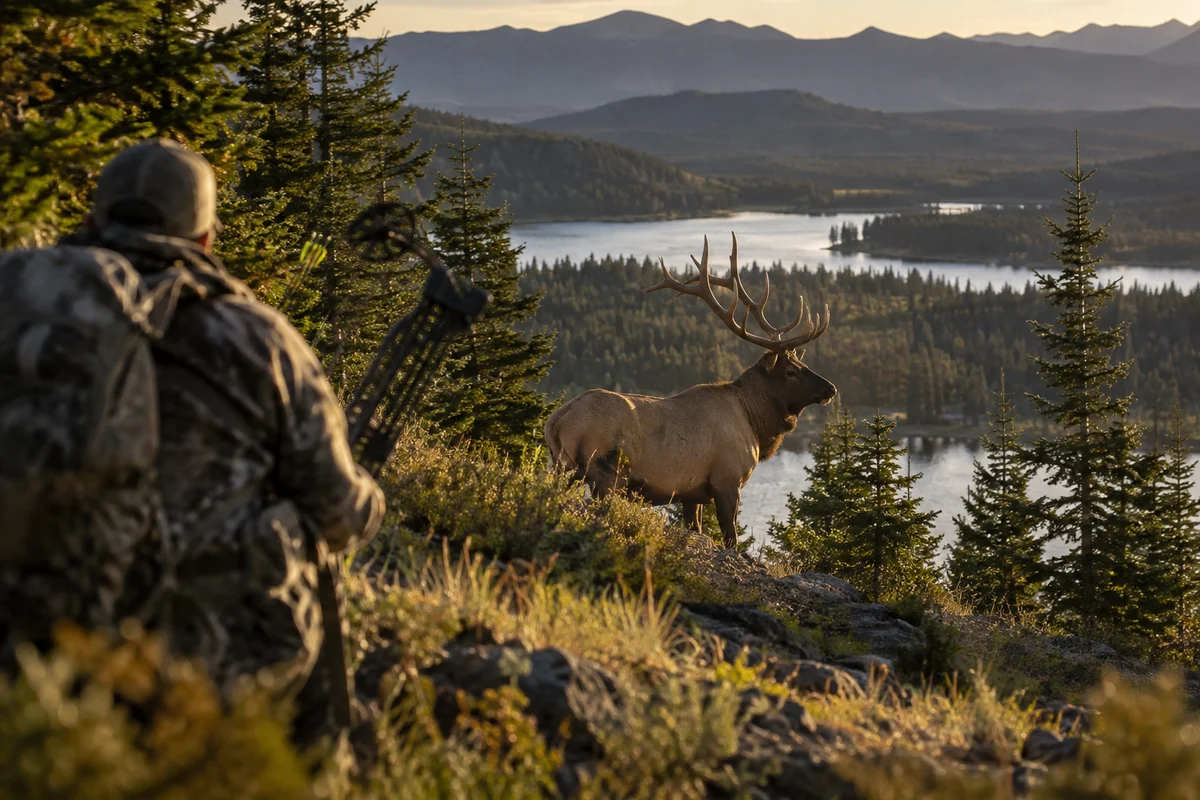
A 300 inch bull is often described as a landmark elk, but the phrase alone does not tell you how the animal was measured or whether its score is official. Antler measurements, symmetry, drying time, and the scoring system all matter. In New Mexico, as elsewhere, a big-looking rack in a photograph is not the same thing as a verified record entry. Understanding those distinctions makes it easier to assess a claim without turning an unconfirmed story into fact.
Elk antlers grow and shed on an annual cycle, and mature bulls can develop large, branched racks. But antler size varies among individual animals and is influenced by a mix of age, nutrition, genetics, and growing conditions. A score describes selected antler measurements; it is not a direct measure of an elk’s age, health, or the quality of a hunt.
What does “300 inch bull” mean?
In hunting conversation, “300 inch bull” generally means someone believes a bull elk’s antlers would total about 300 inches under a recognized scoring method. It is shorthand, not a standardized description that guarantees a particular record category. The phrase may refer to a preliminary field estimate, a gross score, a net score after deductions, or simply an observer’s impression. Those are not interchangeable.
A score is built from measurements of the antlers rather than from the animal’s body size. Depending on the system and category, measurements may account for main-beam length, points, circumferences, and differences between the two sides. The exact definitions and treatment of abnormal points or asymmetry come from the organization’s rules. That is why two people looking at one rack may report different numbers, especially if they are estimating from images or using different scoring conventions.
The number also does not establish that an elk was taken in New Mexico. A headline or social post can omit location, season, method, and verification details. Treat claims about a “monster bull in New Mexico” as unverified unless the source provides documentation that supports them.
How are elk antlers measured?
A recognized scorer follows a defined sequence and uses a flexible measuring tape to record antler dimensions in specified places. The resulting worksheet captures multiple measurements; it is not a single measurement across the widest points. Small differences in where a tape begins or ends can affect the total, which is one reason trained measurement and consistent rules matter.
For many North American big-game scoring systems, a scorer records lengths of the main beams and qualifying points, along with circumferences at designated locations. The two antlers are assessed individually and compared. In systems that calculate a net score, differences between corresponding measurements and certain irregularities may be deducted from a gross total. The particular formula depends on the organization and category, so a score should always be identified as gross or net when that distinction applies.
A rack can look especially wide or tall in a photograph because of camera angle, distance, or how the antlers are positioned. Those visual impressions do not replace tape measurements. If you want to understand scoring beyond a headline, ask which organization’s rules were used and whether the stated result is preliminary or final. The big-game hunting hub offers broader context on hunting topics, while scoring organizations publish their own current rules and record procedures.
Why can a field estimate change?
Field judging is useful for a quick impression, but it is not an official score. An observer may estimate tine lengths, beam length, or spread from a limited view, and those estimates can be off. Antlers can also be partly hidden by brush, shadow, or the animal’s posture. A photograph rarely provides the views and scale needed to measure every relevant feature reliably.
The rack’s condition matters, too. A broken or damaged point can affect what is measured and how it is treated under a particular rule set. A scorer may need to distinguish a true point from an irregular projection, and that judgment follows the system’s definitions. A number written down immediately after a hunt should therefore be understood as a rough estimate unless it has gone through the appropriate process.
Official record programs may require a waiting period after harvest before measurements are accepted, allowing antlers to dry and stabilize. Requirements vary, so check the current rules of the organization whose records you are consulting. Do not assume that a green, freshly measured rack and a later official score are directly comparable.
Does a 300-inch score make an elk a record?
Not by itself. Record status depends on the relevant organization, species, category, score threshold, documentation, and any applicable entry rules. A figure rounded to “300” may not match an official score, and a score that sounds exceptional in everyday conversation does not automatically qualify for a particular list. The category can also matter: organizations may separate typical and non-typical antlers, and their definitions and requirements are not identical.
To evaluate a record claim, look for the organization’s name, the exact category, the official score or measurement status, and a record-book or entry reference that can be checked. Also distinguish a state record claim from a national record claim; each must be evaluated against the rules and records that apply. When those details are missing, the responsible description is “reported” or “estimated,” not “confirmed record.”
For a useful comparison, read the scoring organization’s current instructions rather than relying on a chart shared without context. The Pope and Young discussion of a potential woodland caribou record is a related example of why “potential” and “official” are different stages of a record claim. For another elk-related comparison, see the reported Nebraska bull elk story; its historical claim should not be treated as current record confirmation without checking authoritative records.
What should hunters know about New Mexico elk claims?
New Mexico hunting seasons, licenses, unit boundaries, and legal requirements are set by the state wildlife agency and can change. Anyone planning a hunt should consult the current New Mexico Department of Game and Fish regulations and official hunt information directly. A story about a large bull does not establish that a hunt was legal, that a particular area is open, or that a tag is available. Do not rely on an old article or social post for current rules.
Ethical hunting also involves identifying the animal correctly, knowing the regulations for the hunt, and prioritizing a safe shot and recovery. Antler size is only one consideration; a hunter’s decisions must account for the animal, surroundings, and the conditions of the shot. Keep firearms secured when not in use and follow state rules for transport and handling. For broader perspectives on choosing appropriate equipment for lawful hunting, see the general wild boar rifle overview, which is not a guide to elk scoring or a substitute for regulations.
If you are reading a report about a New Mexico bull, separate four questions: Where did the report originate? Is the animal’s location documented? What scoring method and status are stated? Can the claimed record be checked with the organization responsible for that category? If the available information does not answer these questions, keep the claim provisional.
How to assess a 300-inch claim responsibly
Use a short verification checklist before repeating a score as fact:
- Identify the scoring system. Find out which organization’s measurements and category are being used.
- Check the score status. Is it a visual estimate, a preliminary gross score, or a final score entered under official rules?
- Clarify the category. Typical and non-typical classifications, state records, and national records are separate questions.
- Look for documentation. A measurement sheet or record entry is more useful than a caption or an unsourced number.
- Verify the location and date independently. Do not infer either from a headline or from the phrase “New Mexico bull.”
These checks do not diminish the animal or the effort involved in a hunt. They make the description more accurate. Until an authorized scoring process confirms the number, “estimated at about 300 inches” is more precise than presenting a rounded figure as an official result. And even a confirmed score tells only part of the story: it describes a set of antler measurements, not the circumstances of the hunt or the broader value of the animal.
Frequently asked questions
Is every 300-inch bull elk an official record?
No. The phrase may describe a field estimate or a gross score, and record status depends on the scoring organization, category, official measurement, and entry requirements.
Can you estimate an elk score accurately from a photo?
A photograph can give a rough visual impression, but angle, scale, obstruction, and hidden antler features make it unsuitable as a substitute for measurements under a scoring organization’s rules.
Where can I check current New Mexico elk hunting rules?
Consult the New Mexico Department of Game and Fish’s current regulations and official hunt information. Rules, seasons, and hunt details can change.
Sources & further information
Consult these primary sources for current regulations, technical information and local guidance.