Choosing a Wild Boar Rifle: Fit, Handling and Safety
A useful wild boar rifle is one that meets local rules, fits its hunter and can be handled safely in the places boar live. This guide offers a practical framework for comparing general rifle characteristics without treating any setup as universally ideal.
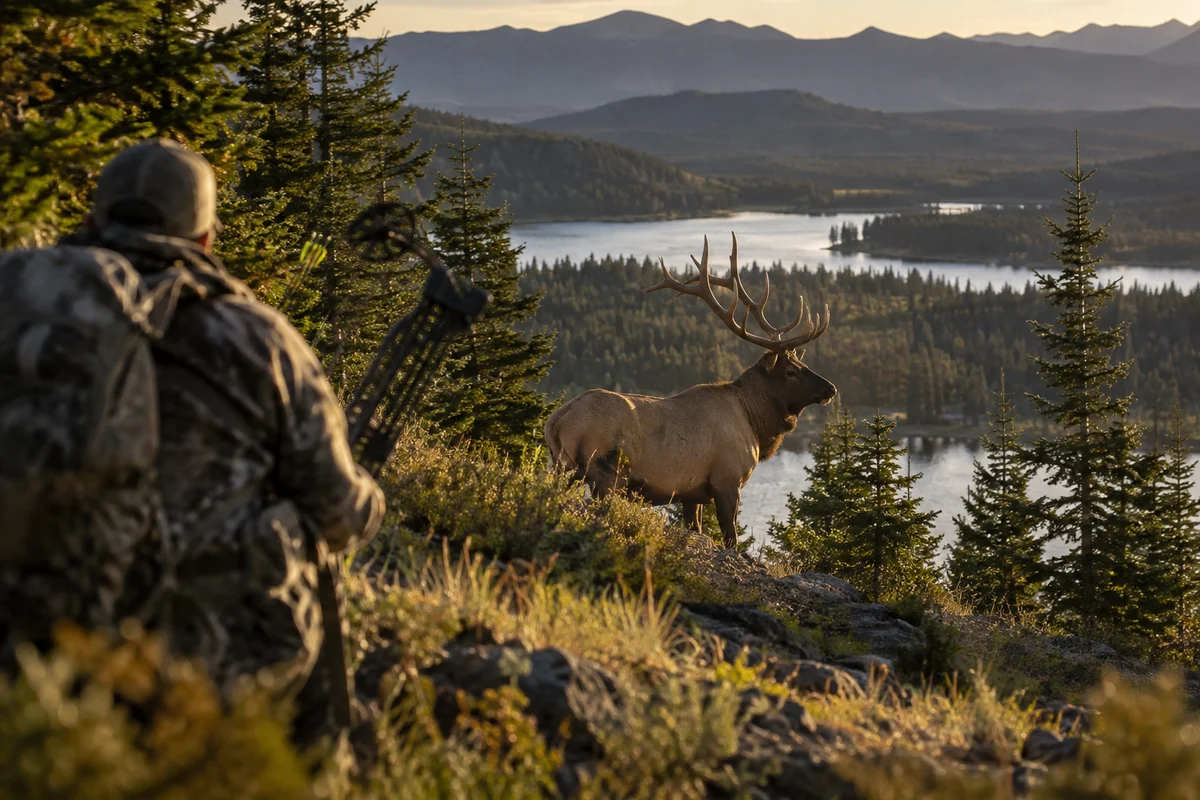
Wild boar rifle choices are best made by starting with the hunt, not a supposed universal “best” model. Terrain, likely distance, the hunter’s experience, local regulations and the ability to handle a firearm safely all matter. A rifle that feels manageable on a range may be awkward in thick cover; one suited to open ground may be unnecessarily cumbersome in brush. The right decision is a safe, lawful, well-practiced setup for the conditions—not a promise of success.
Before comparing equipment, review the rules where you plan to hunt. Seasons, permitted firearm types, caliber or ammunition restrictions, access rules and transport requirements vary by jurisdiction and can change. Consult the relevant wildlife agency for current guidance. The big-game hunting hub offers broader context on planning hunts and understanding the responsibilities that come with them.
What should guide a wild boar rifle choice?
Think in terms of a complete system: the hunter, rifle, lawful ammunition, optics if used, and the landscape. A choice that performs well on paper is not useful if the stock does not fit, recoil makes practice unpleasant, or the overall package is difficult to carry safely.
Fit and control come first. The rifle should sit naturally at the shoulder and allow a stable, comfortable position without forcing the head or arms into strain. Controls should be familiar, and the firearm should remain manageable when carried in the clothing and conditions expected on the hunt. If possible, have a qualified instructor or reputable range professional help assess fit and safe handling.
Consider realistic distances. Dense vegetation can limit visibility and shorten opportunities; open terrain can present different distances and background considerations. Do not choose equipment around an imagined long shot. Be prepared to pass on any shot when the animal is not clearly identified, the background is unsafe, the angle or distance is beyond your practiced ability, or conditions are uncertain.
Account for recoil and practice. A setup that produces more recoil than a hunter can comfortably manage may undermine consistency and confidence. Comfort is individual, and rifle weight, stock fit and ammunition all influence the experience. Practice only at a lawful, safe range, following the firearm manual and range rules. A competent instructor can help you build safe fundamentals; this article is not a substitute for training.
How can you compare options without chasing “best” lists?
Use a field decision framework instead of relying on brand claims or online rankings. These are broad considerations, not product specifications or a recommendation to buy a particular firearm.
| Decision factor | Questions to ask | Reason to pause |
|---|---|---|
| Local legality | Is the firearm type and ammunition lawful for this hunt and location? | Rules are unclear, outdated or differ across jurisdictions. |
| Fit | Can you shoulder and carry it comfortably while maintaining safe muzzle direction? | You must strain, rush, or compromise control to operate it. |
| Recoil and practice | Can you practice comfortably and consistently under qualified supervision? | Recoil or discomfort discourages practice or safe handling. |
| Terrain | Does the overall setup suit the expected cover and practical distances? | The choice assumes shots beyond your demonstrated skill. |
| Sights or optic | Can you identify the target and assess what lies beyond it in expected light? | The sighting system is unfamiliar, damaged or unsuitable to conditions. |
| Transport and storage | Can you secure and transport it according to law and the maker’s instructions? | Safe storage, lawful transport or access control cannot be assured. |
The rifle’s action type is less important than safe, reliable familiarity with the particular firearm. Learn its operation from the manufacturer’s manual and qualified instruction; do not assume that controls or procedures are identical across models. Public product descriptions can help identify basic configuration, but details and availability vary. Consult the manufacturer and original manual for exact specifications rather than inferring features from a model name.
Hunters comparing a general-purpose platform with a specialized one may find the Savage 110 High Country overview useful as an example of how equipment is discussed in a hunting context. Treat it as a topic-specific overview, not proof that a particular rifle is right for boar or for your circumstances.
What does safe field handling require?
The four widely taught firearm safety rules provide a practical baseline: treat every firearm as loaded; keep the muzzle pointed in a direction where an unintended discharge would not cause injury; keep your finger outside the trigger guard until ready to fire; and be certain of your target and what lies beyond it. Follow the manual, formal training and applicable laws as well. A safe direction can change while moving through brush, climbing, crossing obstacles or hunting with companions, so pause and reassess rather than rushing.
Identify the animal positively before considering a shot. Wild pigs may be encountered near livestock, other wildlife or people, and visibility can be restricted by vegetation or light. Never fire at movement, sound or a partially obscured shape. Maintain a clear awareness of other hunters and their positions. If a companion’s location is uncertain, do not take a shot.
After a hunt, follow local requirements for reporting, tagging, transport and carcass handling. Do not assume rules are the same from one state or country to another. For broader preparation, our hog hunting tips guide discusses the challenges of the hunt, while the bear-spray safety overview covers a separate kind of outdoor risk-management planning. Bear spray is not a substitute for firearm safety or a hunting plan; consider tools only for their intended purpose and according to local rules.
What should you check before the hunt?
A short checklist can uncover problems while there is still time to address them:
- Confirm current season dates, legal equipment, licensing and land-access permission with the wildlife agency and land manager.
- Read the firearm’s manual and confirm that the firearm and ammunition are compatible, as specified by the manufacturer.
- Have a qualified instructor review safe loading, unloading, carrying and storage practices for your specific firearm.
- Practice at an authorized range with an emphasis on safe handling, sound judgment and accuracy at distances you can responsibly manage.
- Check that any sighting equipment is secure and familiar; never rely on unfamiliar equipment in the field.
- Plan how the firearm will be secured during transport and stored against unauthorized access.
- Agree on communication, spacing and safe movement with hunting companions before entering cover.
- Decide in advance that you will pass on a shot if identification, background, distance or conditions are not clearly safe.
A hunt can still be worthwhile when no shot is taken. That decision is part of ethical hunting, not a failure of equipment. For conservation and regulatory information, the U.S. Fish and Wildlife Service provides a starting point for federal wildlife resources, while state wildlife agencies are the authority for local seasons and rules.
Is one rifle right for every wild boar hunt?
No. A rifle that suits an experienced hunter in one landscape may not fit another hunter, terrain or regulation. Even within a single area, vegetation, visibility and the presence of other people can change the safe decision. Start with legal requirements and training, then choose a firearm you can control, carry and practice with responsibly. Do not let brand reputation, an online “best” label or a dramatic story outweigh fit and sound judgment.
The most useful wild boar rifle is therefore not a specific model or a universal specification. It is a lawful and well-maintained firearm, suited to the hunter and conditions, used only within demonstrated ability and with a clear commitment to safety. When uncertain, consult the wildlife agency, the manufacturer’s manual and a qualified firearms instructor—and leave the firearm secured until you are prepared.
Frequently asked questions
What matters most when choosing a wild boar rifle?
Confirm local legality, prioritize a comfortable fit and manageable handling, and choose a setup you can practice with safely. Terrain and realistic distances matter more than a universal model recommendation.
Should I choose a rifle for long-range shots at wild boar?
Do not plan around shots beyond your practiced ability. Identify the animal and background clearly, follow local rules, and pass whenever distance, visibility or conditions make a safe shot uncertain.
Where can I check wild boar hunting firearm regulations?
Check the current hunting regulations published by the wildlife agency for the jurisdiction where you will hunt, and confirm land-access and transport requirements with the relevant authorities.
Sources & further information
Consult these primary sources for current regulations, technical information and local guidance.