Northern Pike Fishing in Indiana: Read the Water
A practical guide to Indiana northern pike habitat, seasonal fishing conditions and the clues fisheries monitoring can—and cannot—provide. Learn how to make useful observations without confusing a single outing with a population trend.
Northern pike fishing in Indiana is best understood through habitat and observation, not a single “hot spot” or one day’s catch. Pike depend on suitable water conditions and prey, while their presence and catchability can vary across lakes, rivers and seasons. Monitoring helps fisheries managers assess those changes over time; anglers can learn from the same habitat clues while remembering that casual observations are not a population survey. This guide explains what to look for, how to interpret seasonal patterns, and where to check current rules before fishing. For more regional context, visit the muskie fishing hub.
Where do northern pike fit in Indiana waters?
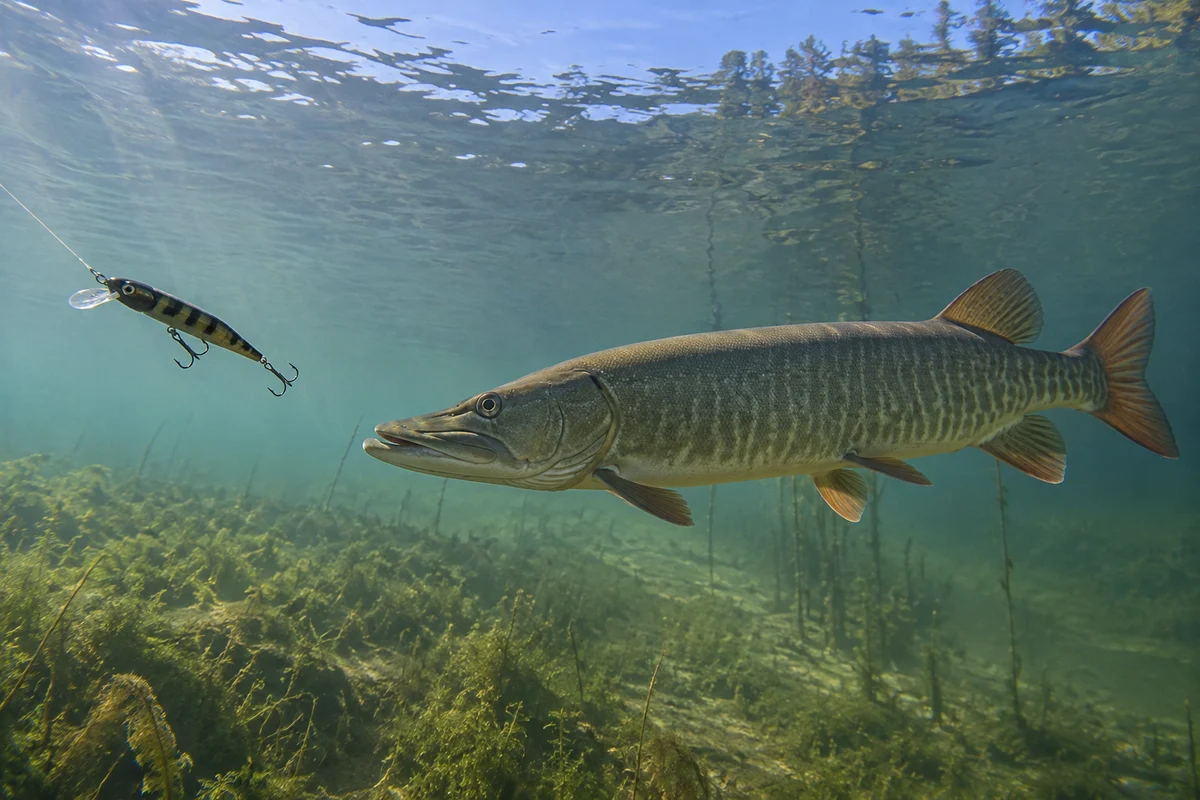
Northern pike are freshwater ambush predators that often use cover to approach prey. Submerged vegetation, edges between shallow and deeper water, and other forms of structure can provide both concealment and feeding opportunities. Those features are useful places to investigate, but they do not guarantee that pike are present or actively feeding. Waterbody conditions differ, and habitat can change with water levels, plant growth, weather and management.
Think in terms of connected habitat rather than a single patch of weeds. Pike may use shallow areas at some times and nearby deeper water at others. Look for transitions—such as a vegetation edge, a channel beside a flat, or a sheltered bay opening toward deeper water—and fish them methodically. Avoid treating a general habitat description as proof that a particular Indiana lake holds a strong pike population. The Indiana Department of Natural Resources is the appropriate starting point for state fishery information, regulations and water-specific updates when available.
What does population monitoring actually measure?
A population cannot be described reliably by one memorable catch. Fisheries biologists may combine structured sampling, catch information, age or size data, habitat observations and comparisons across time. The exact methods depend on the waterbody and the question being asked. A survey designed to estimate abundance, for example, is different from a creel survey that asks what anglers caught or kept.
Each measure has limits. Sampling gear catches some fish more readily than others; season and conditions can affect results; and a small sample may not represent every part of a lake. A change in the number of fish observed could reflect different conditions or methods, not necessarily a lasting increase or decline. Look for repeated, comparable information and the agency’s explanation of how it was collected. If no recent public assessment is available for a water, the responsible conclusion is that the trend is unknown—not that pike have disappeared or flourished.
Which seasonal changes should anglers watch?
Season affects both fish behavior and access to habitat. In spring, pike use shallow areas for spawning; later, changes in water temperature and vegetation can shift where fish are encountered. As conditions warm, anglers may find it useful to consider deeper edges and nearby cover rather than repeatedly casting the same shallow pocket. In colder periods, fish activity and safe access can change again. These are broad biological patterns, not a calendar that predicts exact dates or guarantees a bite in Indiana.
Observe water temperature trends, clarity, vegetation and recent weather, but treat each as context rather than a precise formula. A productive location one week may be quiet the next if water conditions change. Follow local rules for seasons, methods and access, and do not assume that a pattern described for another state applies directly to an Indiana waterbody. For a comparison focused on a related species, see our guide to muskie fishing in Indiana; muskellunge and pike are distinct fish, even when anglers discuss similar habitats.
How can an angler read habitat without overclaiming?
Start with a simple record of what you actually observed: date, general area, water conditions, habitat type, effort and whether fish were caught or seen. Keep measurements consistent if you compare outings. “Several hours casting a vegetated edge with no follows” is more informative than “no pike here,” because the first statement describes an observation and its limits. Avoid recording an exact location publicly if that could lead to pressure on a sensitive or small fishery.
Separate evidence from interpretation. A catch confirms that at least one pike was present at that place and time; it does not estimate abundance. Repeated catches by different anglers may suggest a pattern, but effort, reporting and catchability still influence the picture. Photos can help identify a fish, yet identification should be checked carefully where similar species occur. If you share observations with fisheries staff, provide the context and ask what information is useful rather than presenting a personal log as a formal survey.
What gear and approach make sense for pike?
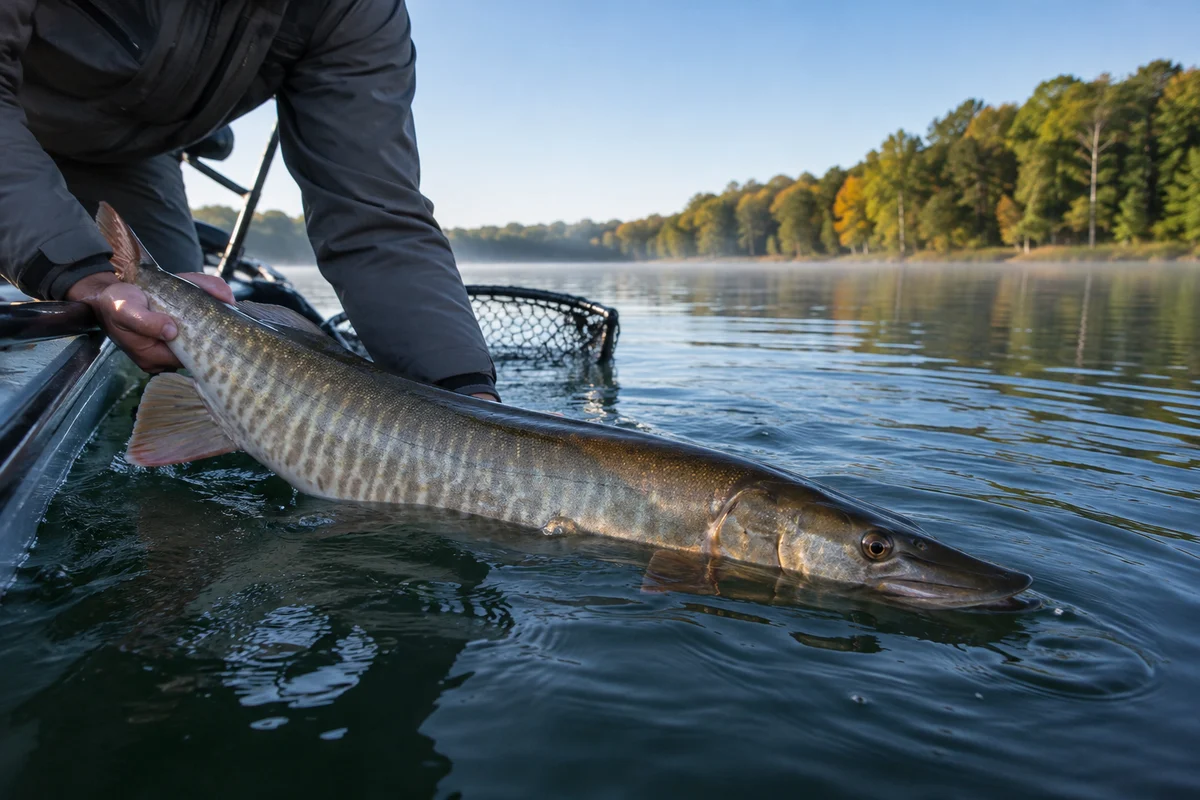
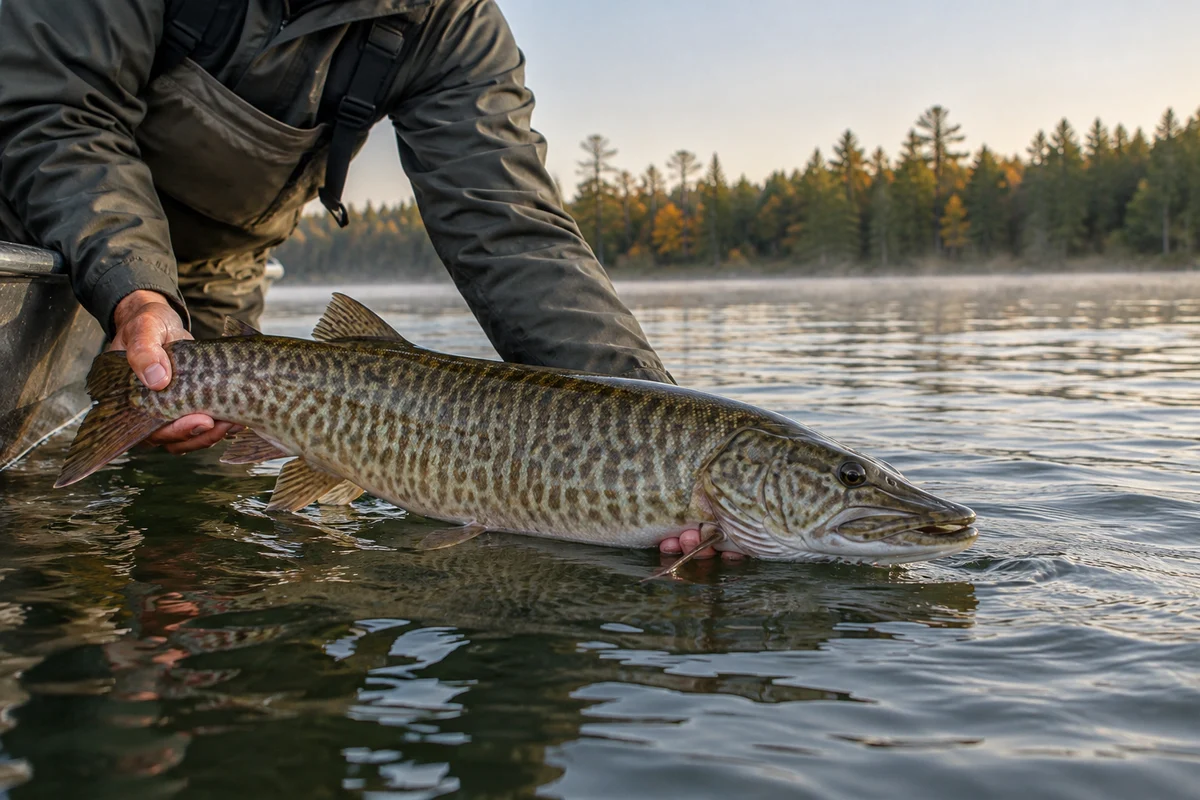
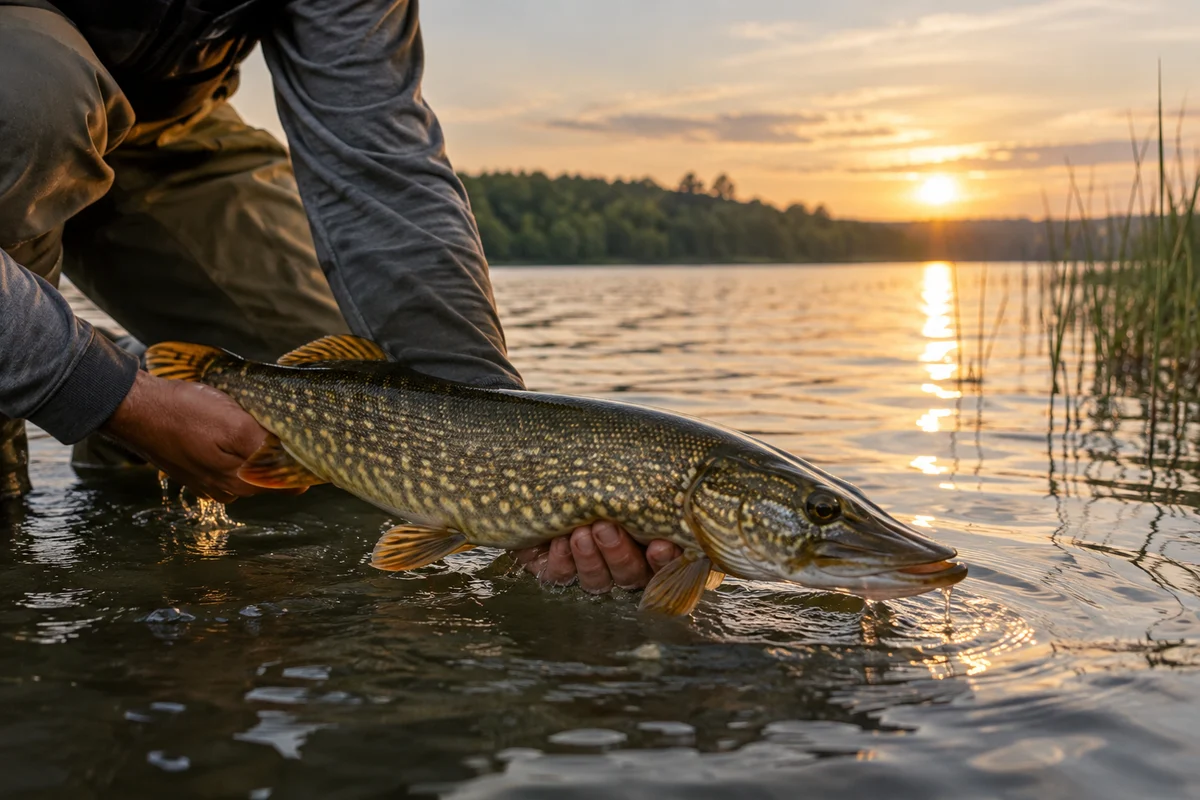
Choose tackle that lets you control a fish responsibly and handle it safely. A sturdy rod and line suited to the lures and fish expected in the water are more useful than chasing a universal setup. Pike have sharp teeth, so plan how you will keep hands clear and use appropriate fish-handling tools. Keep the fish in the water when practical, minimize handling time, and support its body if lifting is necessary. Wet hands and careful release help reduce avoidable harm.
Work likely cover with deliberate casts and vary retrieve speed or depth before abandoning an area. Large, visible lures can be useful for searching, but no lure guarantees a strike. Match the approach to vegetation and avoid forcing a fish through dense cover if that makes landing or release unsafe. Anglers interested in cold-weather methods can read our ice fishing for northern pike guide, while remembering to confirm ice conditions and local requirements independently. Never treat another person’s catch or a video as proof of typical results.
How do regulations and monitoring connect?
Regulations can shape harvest and help managers meet fishery goals, but they are not a substitute for understanding local conditions. Before a trip, check current Indiana rules for licensing, seasons, size or bag limits, permitted methods and any water-specific restrictions. Rules can change, and an old article or an angler’s recollection may not reflect the current requirements. Use official state information rather than relying on an unverified social post.
When managers evaluate a fishery, they may consider harvest alongside other evidence, including survey results and habitat conditions. Angler reports are most helpful when they are accurate, specific about effort and submitted through a channel the agency recognizes. Do not infer that a particular regulation proves a population is either healthy or in trouble; management decisions can address several goals and constraints. Responsible fishing means following the rules, handling fish carefully and sharing observations with enough context to make them interpretable.
What should you conclude from a day on the water?
A day of northern pike fishing in Indiana can teach you about a particular place under particular conditions. It cannot, on its own, reveal a statewide population trend. Notice cover, transitions and seasonal changes; record effort honestly; and compare observations only when the circumstances are reasonably similar. These habits make your own fishing decisions more thoughtful and help prevent isolated catches—or empty outings—from becoming sweeping claims.
For broader context, consult official Indiana fisheries information and look for dated reports that explain their sampling methods and limits. If a report is not available, treat uncertainty as uncertainty. That distinction matters: a fishery may be locally productive, uneven, changing or simply poorly documented, and those are not interchangeable conclusions. Pair patient observation with current regulation checks, safe fish handling and respect for habitat. Over time, that approach makes each outing more informative without pretending that recreational fishing can replace systematic monitoring.
Frequently asked questions
Are northern pike found throughout Indiana?
Pike distribution and abundance vary by waterbody and habitat. Check Indiana DNR information for current, water-specific details; a general habitat description does not establish that pike are present in a particular lake or river.
Can my catch estimate the pike population in a lake?
No. A catch documents an encounter, not abundance. Effort, location, season, conditions and catchability all affect what anglers observe. Population estimates require structured methods and interpretation.
Where can I check Indiana fishing regulations?
Use the Indiana Department of Natural Resources as the official starting point for current licensing and fishing rules, including any water-specific restrictions.
Sources & further information
Consult these primary sources for current regulations, technical information and local guidance.